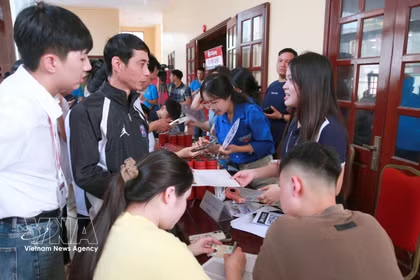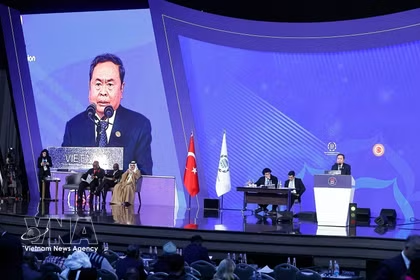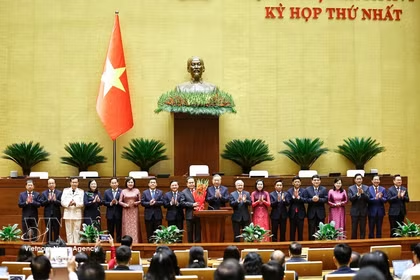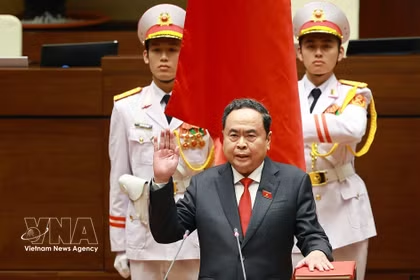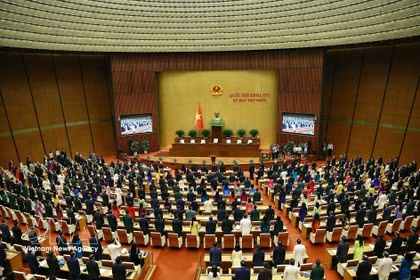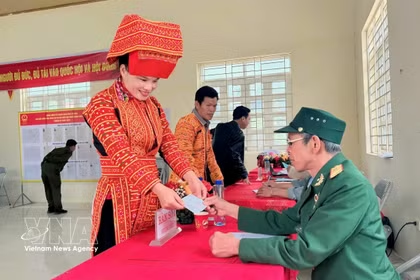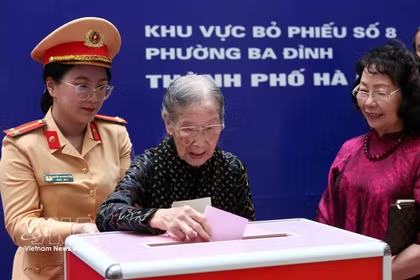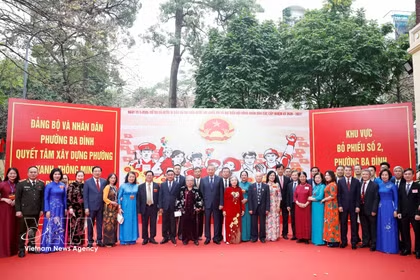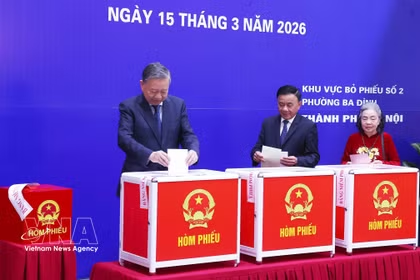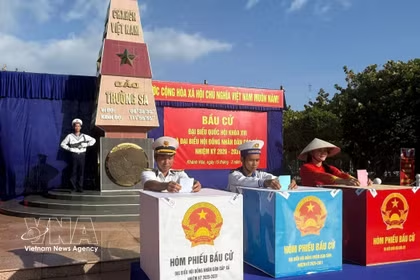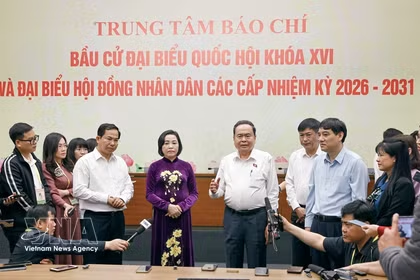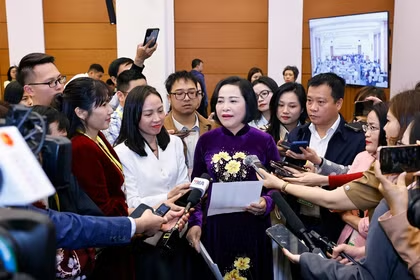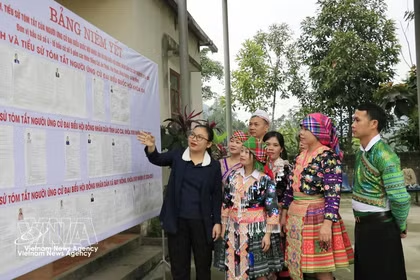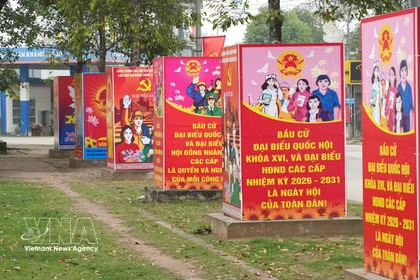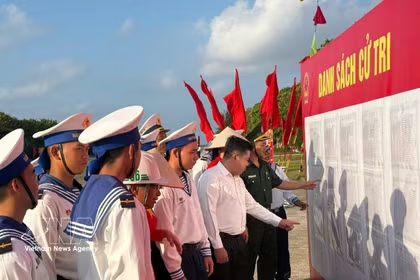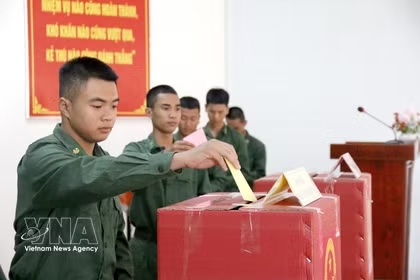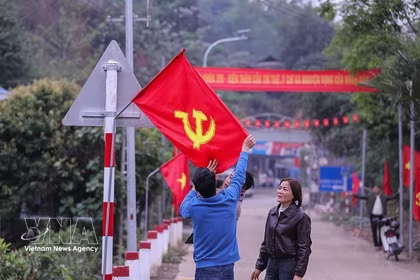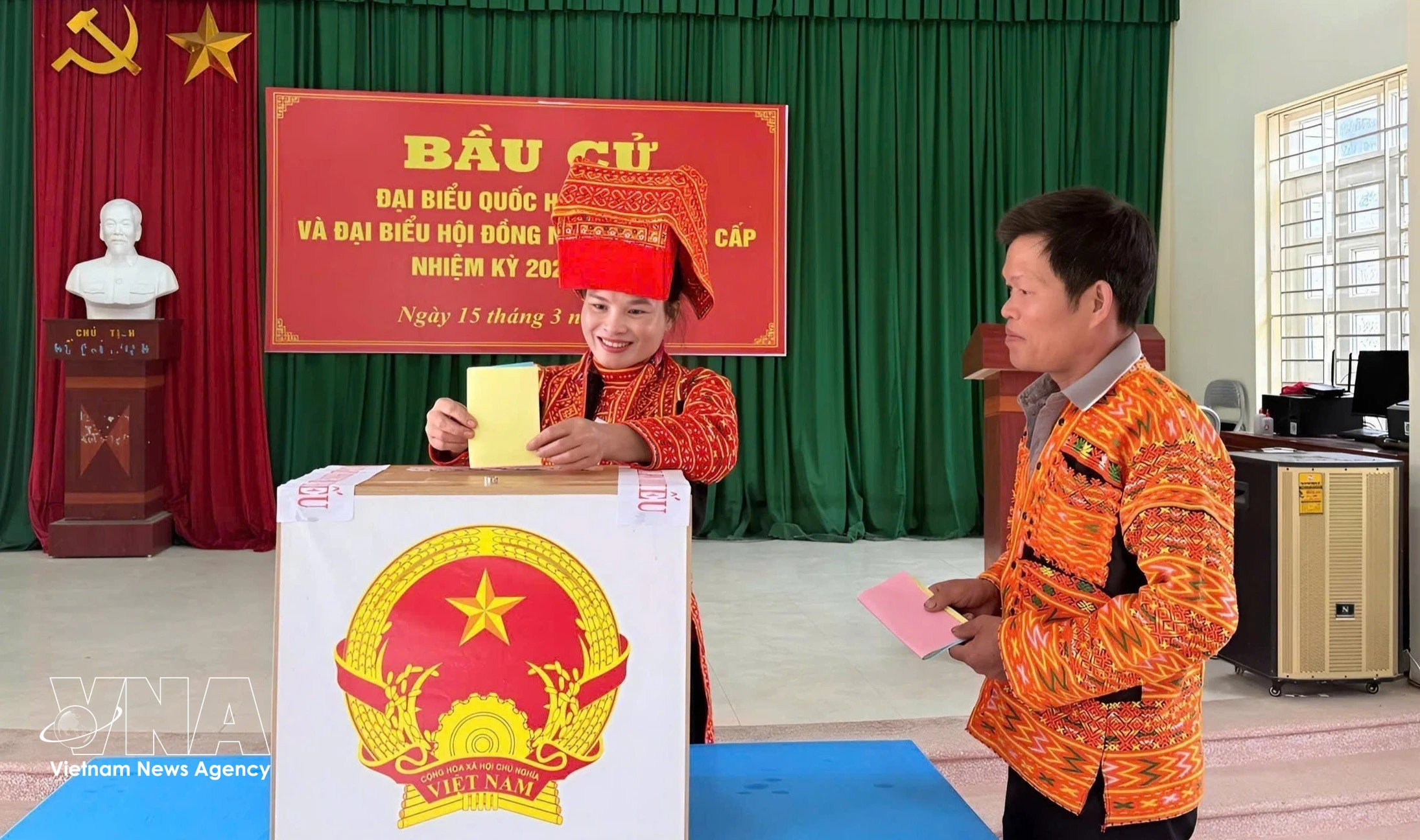
Hanoi (VNA) - The general election of deputies to the 16th National Assembly (NA) and People’s Councils at all levels for the 2026–2031 term has come to a close. From mountainous and border areas to islands, from urban centres to far-flung hamlets, the image of voters eagerly heading to the polls has become a vivid demonstration of the people’s right to mastery.
According to the Office of the National Election Council, as of 23:00 on March 15, voter turnout nationwide reached 99.68%, with all the 34 provinces and cities recording participation rates of over 99%. These figures reflect the broad engagement of voters as well as each citizen’s sense of responsibility toward the nation’s future.
Across media outlets and social networks, it was not difficult to find touching images: mobile ballot boxes brought directly to the homes of elderly and vulnerable voters; and the attentive and thoughtful support of election staff for citizens coming to cast their ballots.
The election also drew the attention of international media as an important political event, highlighting the stability of Vietnam’s political system. Numerous articles praised the well-prepared organisation of the election, from the consultation and nomination process to ensuring security and order at polling stations.
The Nikkei (Japan) expressed its impression of Vietnam’s well-organised communication efforts, which help voters clearly understand their rights and obligations, while also acknowledging the role of elections in promoting public participation in political life.
However, despite these realities, a number of extremist individuals and organisations have deliberately spread distorted and false information about the election day, alleging that authorities “coerce” people into voting; that voters are monitored and have no real choice; and even accusing the election of “lacking transparency” while calling for “international supervision.” Such allegations are deliberate distortions aimed at undermining this major political event, and by extension, opposing the Party and the State.
First of all, the claim that people are “forced” to vote is a blatant misrepresentation. Vietnamese law stipulates that voting is both a right and a duty of citizens. This reflects a widely accepted concept in many democracies around the world: participation in elections is not only an individual right but also a responsibility toward the community and the nation. Therefore, communication, mobilisation, and encouragement for citizens to take part in elections are entirely normal.
In Vietnam, authorities at all levels consistently strive to create the most favourable conditions for all voters to exercise their rights. In areas with specific characteristics, early voting is organised to ensure that voters’ rights are fully protected.
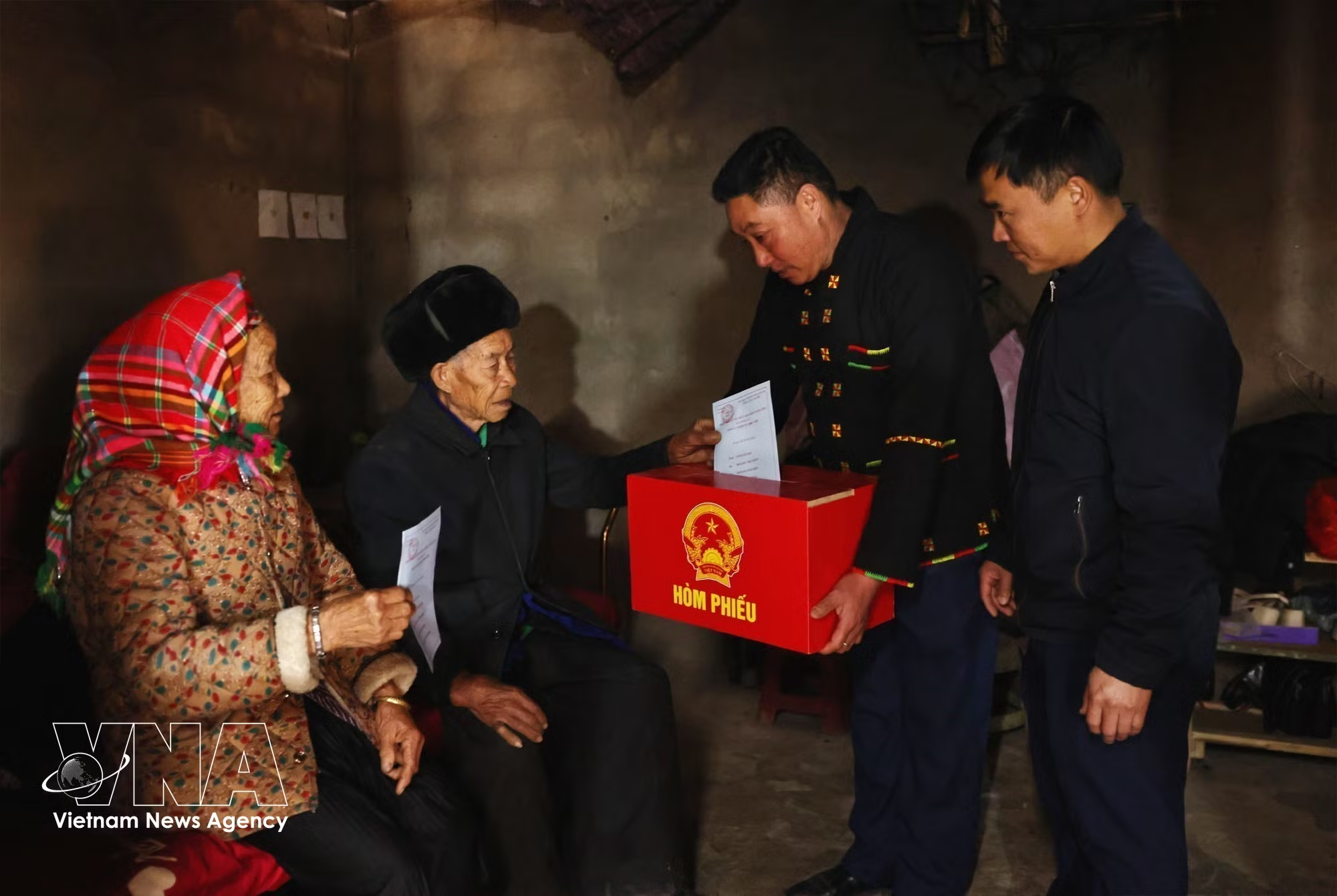
The use of mobile ballot boxes to serve elderly voters, people with disabilities, or those unable to reach polling stations demonstrates efforts to create the most favourable conditions for all citizens to participate in deciding important national matters.
Another frequently repeated claim is that voters are “monitored,” treated as mere “attendance robots,” and have no freedom of choice. In reality, the opposite is true. Polling stations are organised in full compliance with legal regulations, ensuring the principle of secret ballots.
Security forces are tasked with maintaining order and ensuring that the election process proceeds safely and smoothly. This is a common practice in all countries, as elections can only be conducted seriously and transparently when security and public order are guaranteed. At polling stations, voters receive their ballots and independently choose their preferred candidates before casting them into the ballot box; no individual or organisation has the right to interfere in their decisions. However, hostile elements deliberately conflate the concept of ensuring security with “monitoring voter choice” in order to sow doubt among the public.
More seriously, there are allegations that election results are “inaccurate” and that “international supervision” is necessary. These arguments are unfounded and aim to deny the principle of national sovereignty. Elections are an internal matter of each sovereign country, organised and managed in accordance with its own legal system.
In Vietnam, the electoral process is clearly stipulated in the Law on Election of Deputies to the National Assembly and People’s Councils. Vote counting is conducted rigorously and in accordance with procedures, with the presence of members of election committees and representatives of voters. The law also clearly states that candidates, representatives of agencies, organisations, or units nominating candidates, or their authorised representatives, have the right to observe the vote counting and lodge complaints regarding the process.
Journalists are allowed to witness the counting process. The results are then compiled and reported to the National Election Council. Such a multi-layered procedure ensures the accuracy and transparency of election outcomes. In practice, over many terms, elections in Vietnam have consistently been conducted in an orderly, safe, and lawful manner, receiving recognition and consensus from the people.
On social media, some extremists have even used sarcastic rhetoric to distort the nature of the election, labeling it as “one-way democracy,” undermining the credibility of candidates, and demanding that Vietnam adopt campaigning and election models from certain Western countries. It should be recognised that democracy is not a one-size-fits-all model applicable to every nation. Each country has the right to choose a development path suited to its historical conditions, cultural context, and level of development.
In Vietnam, socialist democracy is built on the principle that state power belongs to the people, exercised through the National Assembly and People’s Councils at all levels. Representatives are selected through a process of consultation, nomination, and election, ensuring representation of different social strata and sectors. This model has been in operation for decades and has made an important contribution to maintaining political stability - a key factor enabling Vietnam to sustain economic growth, improve people’s living standards, and enhance its position on the international stage.
It is not difficult to see that the distorted narratives before, during, and after the election were calculated, even organised into deliberate media campaigns aimed at attacking the Party, the State, and the socialist system in Vietnam. The goal of these campaigns is to sow social confusion, erode public trust, and undermine the great national unity bloc. However, in the context of an information explosion, people have access to multiple sources to verify and assess the truth. More importantly, their direct experience in the country’s socio-political life helps them distinguish between truth and distortion.
The success of the election of deputies to the 16th National Assembly and People’s Councils at all levels for the 2026–2031 term goes beyond the scope of a routine political event. It is an occasion for people nationwide to exercise their right to mastery and place their trust in the representatives chosen for the country’s new stage of development./.