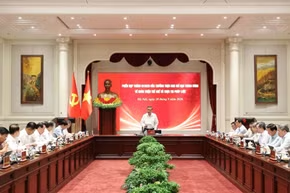

After nearly one year of implementation, Resolution No. 66-NQ/TW on renovating the law building and enforcement work has created remarkable changes with many breakthroughs in building and perfecting institutions and laws, meeting the requirements of national development in the new era.
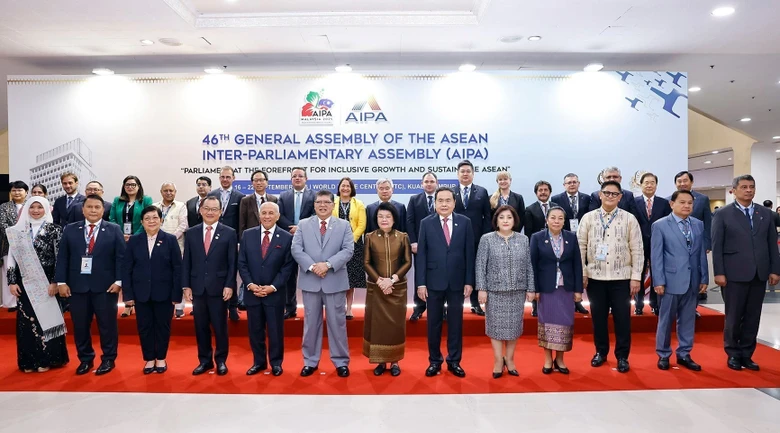
Vietnam’s parliamentary diplomacy is a crucial pillar in the foreign policy of the Party and State, contributing to strengthening bilateral and multilateral relations and enhancing the country's position in the international arena. The Vietnamese National Assembly has actively participated in organisations such as the Inter-Parliamentary Union (IPU) and the ASEAN Inter-Parliamentary Assembly (AIPA), building legal frameworks, promoting economic cooperation, and strengthening friendship between nations.

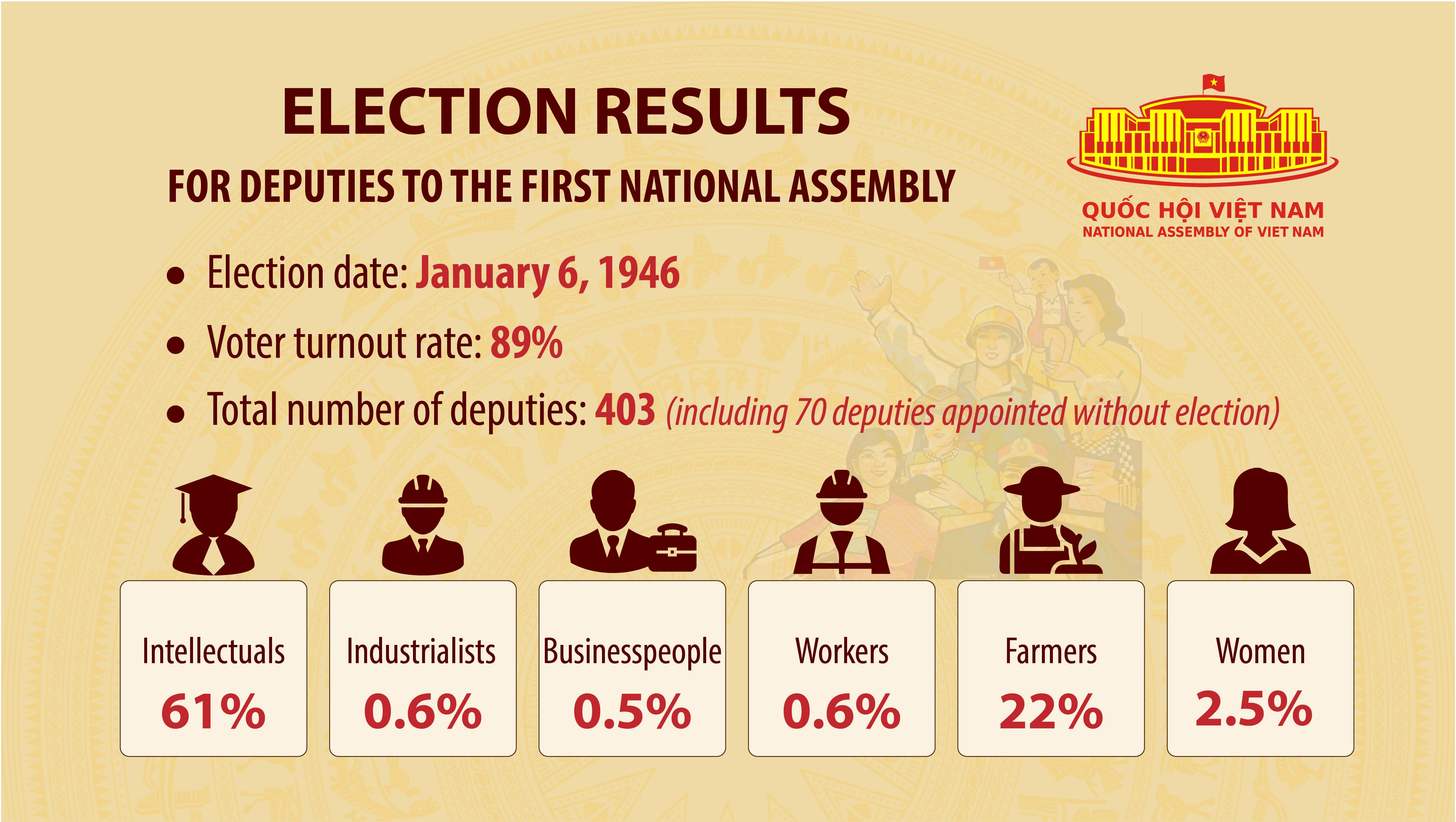
- Election date: January 6, 1946
- Rate of turnout: 89%
- Total of deputies: 403
- Number of elected deputies: 333
- Number of deputies chosen not via election: 70 (including 20 from “Viet Nam Cach menh Dong minh Hoi” [or “Viet Cach” - Vietnam Revolutionary League] and 50 from “Viet Nam Quoc dan Dang” [or “Viet Quoc” - Vietnamese Nationalist Party] under a pre-election agreement reached on December 24, 1945 between “Viet Nam Doc lap Dong minh Hoi” [or “Viet Minh” - Vietnam Independence League] and “Viet Cach” and “Viet Quoc”. This reflected the Viet Minh’s policy of national concord and pooling resistance forces against the French colonialists.
- Structure of National Assembly:
+ Workers, farmers, revolutionaries: 87%
+ Members of different parties: 57%
+ Non-partisans: 43%
+ Ethnic minority people: 10.2%
+ Women: 3%
On January 6, 1946, the first general election in Vietnam’s history was held nationwide, at a time when the country had just gained independence but faced countless difficulties, particularly the fierce resistance of French colonialists. Undeterred by dangers, the people across the country enthusiastically participated in the election, with a turnout rate of 89%, even 91.95% in Hanoi. President Ho Chi Minh was elected with an overwhelming majority (98.4%). In the South, the election took place amid bombs and gunfire, where 42 revolutionary cadres and soldiers heroically sacrificed their lives, demonstrating the people’s resolute spirit to exercise their sovereign rights. As a result, 333 distinguished delegates were elected to the first National Assembly, representing all social classes, strata, ethnic groups, and religions nationwide. The general election was a momentous historical event, marking the beginning of the construction of a new democratic regime and the establishment and development of the National Assembly - a democratic institution, a pillar of the rule-of-law State of the people, by the people, and for the people.
THE FIRST SESSION OF THE FIRST NATIONAL ASSEMBLY
The first session of the first National Assembly was held on March 2, 1946, at the Hanoi Opera House, with the participation of nearly 300 deputies freshly elected through the general election. During this very brief session, which lasted from 9:00 to 13:30, the National Assembly voted to approve President Ho Chi Minh’s proposal to increase the number of deputies by 70 from the Vietnamese Nationalist Party and the Vietnam Revolutionary Alliance. The National Assembly also approved the list of the Vietnam Resistance Coalition Government, led by President Ho Chi Minh; adopted the Declaration of the National Assembly; and elected the Standing Committee of the National Assembly, headed by Nguyen Van To, and the Constitution Drafting Committee...
THE SECOND SESSION: ESTABLISHING NEW GOVERNMENT AND ADOPTING THE FIRST CONSTITUTION
At the second session (October 28 - November 9, 1946), the first National Assembly voted to approve the general policy proposed by President Ho Chi Minh, accepted the resignation of the Resistance Coalition Government, and authorised President Ho Chi Minh to establish a new government - the Resistance Government, based on the principles of solidarity and gathering talents regardless of political parties. The session elected the Standing Committee of the National Assembly, consisting of 18 members, with Bui Bang Doan as Chairman and Ton Duc Thang and Ton Quang Phiet as Vice Chairmen. At this session, the National Assembly approved the 1946 Constitution, the Labour Law and resolutions on domestic and foreign affairs.
THE THIRD SESSION OF THE FIRST NATIONAL ASSEMBLY ADOPTS IMPORTANT RESOLUTIONS
From December 1 - 4, 1953, the third session of the first National Assembly, the only sitting held in Viet Bac, saw the attendance of 166 delegates (94 from the North, 62 from the Central Region, 10 from the South). The session discussed and passed a Resolution of confidence in the Government; a Resolution of commendation for National Assembly deputies who pass away for the country; and a Resolution on stripping the power of National Assembly deputies who abandon their resistance mission; and approved the draft Land Reform Law.
THE 4TH SESSION OF THE FIRST NATIONAL ASSEMBLY
The 4th session of the first National Assembly (March 20 – 26, 1955) was held at the Hanoi Opera House. “This session is a sitting of struggle to implement the Geneva Agreement, promote land reform, restore and develop the economy, improve people’s lives, consolidate the administration, strengthen the People’s Army, move forward to national reunification, and complete independence and democracy throughout the country”. It was also the first session held in peace in the liberated Capital.
THE 5TH SESSESION OF THE FIRST NATIONAL ASSEMBLY
The 5th session of the first National Assembly (September 15 – 20, 1955) set out guidelines and policies for the struggle to implement the Geneva Agreement and to achieve national reunification on the basis of independence and democracy; outlined directions and solutions for economic recovery and to consolidate the North as a foundation for the struggle for peace and national reunification; and at the same time, decided on a number of issues regarding the organisation of the state apparatus, the national flag, the national anthem, and the national emblem of the Democratic Republic of Vietnam.
THE 11TH SESSION OF THE FIRST NATIONAL ASSEMBLY
The 11th session of the first National Assembly (December 18-31, 1959) was one of the historic sessions of the National Assembly of Vietnam. At this session, the National Assembly adopted the new Constitution of the Democratic Republic of Vietnam - the 1959 Constitution. The new Constitution, comprising 10 chapters with 112 articles, established a legal foundation for building socialism in the North and the struggle to liberate the South and reunify the country./.
As the first legislature of independent Vietnam, the first National Assembly marked a significant leap in terms of the democratic republic system. Due to wartime conditions, the term of the first National Assembly lasted for 14 years (from January 1946 to May 1960). Over the course of 12 sessions, with flexible operations, the National Assembly Standing Committee was always by the side of the Government to guide the resistance war and national construction process. The National Assembly issued two Constitutions (in 1946 and 1959), many important laws and resolutions; negotiated, signed, and enforced the Geneva Agreement; restored the economy in the North... contributing to the world-shaking Dien Bien Phu Victory, ushering the North into the period of socialism building and supporting the struggle to liberate the South and unify the country.
THE FIRST SESSION OF THE FIRST NATIONAL ASSEMBLY
The first session of the first National Assembly was held on March 2, 1946, at the Hanoi Opera House, with the participation of nearly 300 deputies freshly elected through the general election. During this very brief session, which lasted from 9:00 to 13:30, the National Assembly voted to approve President Ho Chi Minh’s proposal to increase the number of deputies by 70 from the Vietnamese Nationalist Party and the Vietnam Revolutionary Alliance. The National Assembly also approved the list of the Vietnam Resistance Coalition Government, led by President Ho Chi Minh; adopted the Declaration of the National Assembly; and elected the Standing Committee of the National Assembly, headed by Nguyen Van To, and the Constitution Drafting Committee...
ESTABLISHING THE NEW GOVERNMENT AND ADOPTING THE FIRST CONSTITUTION
At the second session (October 28 - November 9, 1946), the first National Assembly voted to approve the general policy proposed by President Ho Chi Minh, accepted the resignation of the Resistance Coalition Government, and authorised President Ho Chi Minh to establish a new government - the Resistance Government, based on the principles of solidarity and gathering talents regardless of political parties. The session elected the Standing Committee of the National Assembly, consisting of 18 members, with Bui Bang Doan as Chairman and Ton Duc Thang and Ton Quang Phiet as Vice Chairmen. At this session, the National Assembly approved the 1946 Constitution, the Labour Law and resolutions on domestic and foreign affairs.
DIPLOMATIC ACTIVITIES TO DEFEND NATIONAL INDEPENDENCE
As the country faced a critical situation, as if “hanging by a thread,” the National Assembly granted full authority to the Resistance Coalition Government, headed by President Ho Chi Minh.
To safeguard independence, the Government adopted a flexible and clever diplomatic strategy to reduce the number of enemies, avoid bloodshed, and buy time to consolidate and develop its forces. On behalf of the Government, President Ho Chi Minh signed the Preliminary Agreement with the French Government on March 6, 1946.
THE FIRST NATIONAL ASSEMBLY’S THIRD SESSION ADOPTS IMPORTANT RESOLUTIONS
From December 1 - 4, 1953, the third session of the first National Assembly, the only sitting held in Viet Bac, saw the attendance of 166 delegates (94 from the North, 62 from the Central Region, 10 from the South). The session discussed and passed a Resolution of confidence in the Government; a Resolution of commendation for National Assembly deputies who pass away for the country; and a Resolution on stripping the power of National Assembly deputies who abandon their resistance mission; and approved the draft Land Reform Law.
THE NATIONAL ASSEMBLY AND VICTORIES ON THE DIPLOMATIC FRONT
Victories on the military front were the basis for the Government of the Democratic Republic of Vietnam to launch a struggle on the diplomatic front. After the Four Power Conference in Berlin (Germany) agreed to convene the Geneva Conference on Indochina, the National Assembly Standing Committee and the Government unanimously assigned Deputy Prime Minister and Minister of Foreign Affairs Pham Van Dong to lead a delegation representing the Government of the Democratic Republic of Vietnam to attend the Conference, while also contributing guidance to the decision to sign the Geneva Agreement. On the night of July 20, 1954, the Agreement on Restoring Peace in Indochina was signed in Geneva (Switzerland).
ACTIVITIES OF THE NATIONAL ASSEMBLY IN THE NEW REVOLUTIONARY PERIOD, DECIDING ON IMPORTANT ISSUES
The 4th session of the first National Assembly (March 20 – 26, 1955) was held at the Hanoi Opera House. “This session is a sitting of struggle to implement the Geneva Agreement, promote land reform, restore and develop the economy, improve people’s lives, consolidate the administration, strengthen the People’s Army, move forward to national reunification, and complete independence and democracy throughout the country”. It was also the first session held in peace in the liberated Capital.
The 5th session of the first National Assembly (September 15 – 20, 1955) set out guidelines and policies for the struggle to implement the Geneva Agreement and to achieve national reunification on the basis of independence and democracy; outlined directions and solutions for economic recovery and to consolidate the North as a foundation for the struggle for peace and national reunification; and at the same time, decided on a number of issues regarding the organisation of the state apparatus, the national flag, the national anthem, and the national emblem of the Democratic Republic of Vietnam.
APPROVING PROGRAMMES ON SOCIO-ECONOMIC RECOVERY AND DEVELOPMENT, NATIONAL DEFENCE CONSOLIDATION
Building and consolidating the North was an extremely huge and heavy task to which the National Assembly paid special attention. The National Assembly affirmed that healing the wounds of war, restoring the national economy heavily devastated during the war, and easing the hardships of the people were the foundation for all efforts to consolidate the North. Accordingly, at its fourth and fifth sessions, the first National Assembly deliberated meticulously and passed the Government’s three-year programme on socio-economic recovery and development (1955-1957), and the policy on “consolidating national defence and the military.”
SUPPORTING THE SOUTHERN PEOPLE’S STRUGGLE
Together with implementing the tasks of socio-economic recovery, reform, and development for the 1955-1960 period, consolidating and building the North, the first National Assembly consistently demonstrated the will of the entire people to resolutely struggle for the full implementation of the Geneva Agreement, expressed outrage, and denounced the crimes of US imperialists and the Republic of Vietnam administration against the people of South Vietnam to the world.
APPROVING THE 1959 CONSTITUTION
The 11th session of the first National Assembly (December 18-31, 1959) was one of the historic sessions of the National Assembly of Vietnam. At this session, the National Assembly adopted the new Constitution of the Democratic Republic of Vietnam - the 1959 Constitution. The new Constitution, comprising 10 chapters with 112 articles, established a legal foundation for building socialism in the North and the struggle to liberate the South and reunify the country.
SUPERVISORY ACTIVITIES OF THE FIRST NATIONAL ASSEMBLY
During the first term of the National Assembly of the Democratic Republic of Vietnam, supervisory activities were initially formed, clearly demonstrating its role as the highest organ of state power. The first National Assembly conducted supervision through examining the Government’s reports, questioning Government members at sessions, and issuing important resolutions related to the country's situation. In the context that the country was still facing many difficulties and the ongoing war, although supervisory activities did not have complete mechanisms as today, they demonstrated a sense of responsibility, proactive spirit, and foundational role in ensuring that laws were strictly enforced, contributing to building the young rule-of-law State. This marked the beginning of the increasingly perfected the function of supreme supervision of the National Assembly in subsequent terms.
EXPANDING FOREIGN RELATIONS
During the first term, the National Assembly did not have conditions to send many delegations to visit and work with parliaments of other countries, but it strived to establish correspondence with the parliaments of China, the Democratic People's Republic of Korea and many other socialist nations. The National Assembly also sent delegates to join the Government’s delegations to visit socialist countries. External activities during this period aimed to establish diplomatic ties between the Democratic Republic of Vietnam and countries worldwide, expand and develop relations with socialist countries as well as states in the national liberation movement, and gain broad sympathy and support from countries in the world for the struggle to safeguard national independence and reunify the country./.
November 9, 1946
Adopting the 1946 Constitution of the Democratic Republic of Vietnam
January 1, 1960
Promulgating the Constitution of the Democratic Republic of Vietnam, which was adopted by the National Assembly on December 31, 1959
November 8, 1946
Approving the draft labour law
December 19, 1953
Promulgating the land reform law
May 20, 1957
+ Promulgating the law on guaranteeing people’s right to physical freedom and to the inviolability of the home, belongings, and letters
+ Promulgating the law on the right to form associations
+ Promulgating the law on the right to freedom of association
+ Promulgating the law on the press
November 5, 1957
Promulgating the law on trade unions
September 14, 1957
+ Passing the publication law
+ Passing the law on violators caught red-handed and on emergencies
+ Passing the law prohibiting economic speculation
+ Passing the law on rules on the election of all-level People’s Councils and Administrative Committees
+ Passing the law on the organisation of local administrations promulgated on May 31, 1958
May 31, 1958
Promulgating the law on service of officers of the Vietnam People’s Army
January 13, 1960
+ Promulgating the law on the election of deputies to the National Assembly of the Democratic Republic of Vietnam
+ Promulgating the law on marriage and family
April 28, 1960
Promulgating the law on military obligations.
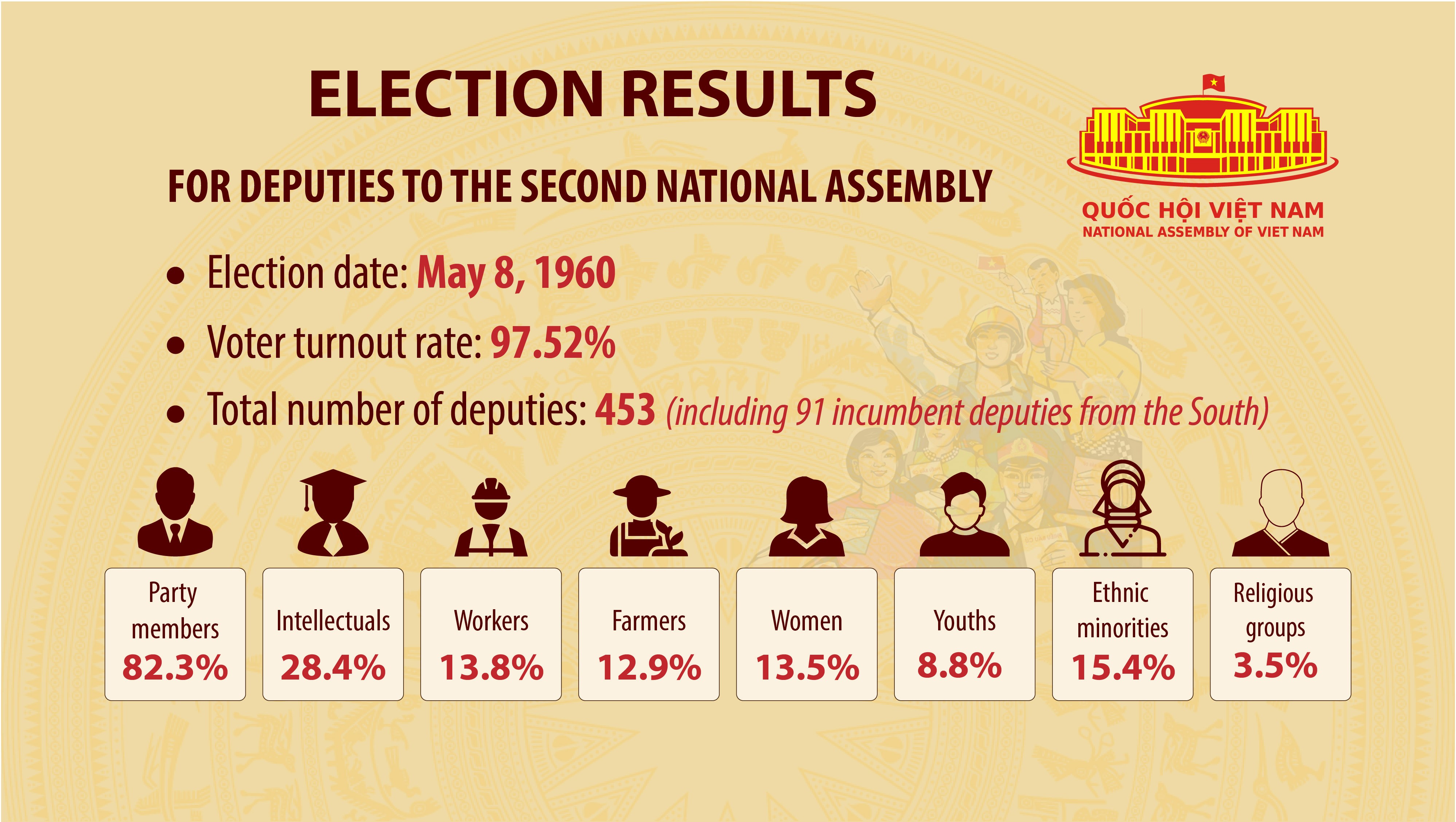
- Election date: May 8, 1960
- Rate of turnout: 97.52%
- Total of deputies: 453
- Number of elected deputies: 362
- Number of southern deputies continued in office: 91
- Structure of National Assembly:
+ Workers: 13.8%
+ Farmers: 12.7%
+ Intellectuals: 28.5%
+ Political officials: 35.2%
+ Army staff: 4.5%
+Others: 6.2%
May 8, 1960 - the Election Day of the second National Assembly - was a festival for the people of the North. Nearly 8.2 million voters in the North, from urban to rural areas, exercised their rights and obligations by casting their votes at 22,530 polling stations across the region. As many as 362 deputies were elected to the second National Assembly, together with 91 deputies from the South in the first National Assembly whose term was extended, embodied the great national unity bloc and fully reflected the will and aspirations of the Vietnamese people./.
* First session in Hanoi from July 6-15, 1960
- National Assembly elects:
+ State President: Ho Chi Minh
+ Vice State President: Ton Duc Thang
+ National Assembly Standing Committee: 21 full and five alternate members
+ National Assembly Chairman: Truong Chinh
+ Prime Minister: Pham Van Dong
+ Procurator General of the Supreme People’s Procuracy: Hoang Quoc Viet
+ Chief Justice of the Supreme People’s Court: Pham Van Bach
- The National Assembly appoints the Committee on Legal Projects and the Committee on Planning and Budget
* The fourth session on April 26, 1962, the National Assembly issues a statement against the US’s policy of military invasion in the south of Vietnam
* The sixth session from April 29 to May 4, 1963
The National Assembly adopts the first five-year plan (1961-1965). The north will build material and technical infrastructure for socialism, continue with socialism reform, strengthen and perfect production and improve people’s lives in all areas while strengthening and consolidating national defence, maintaining security and order for socialism building, and contributing to the fight for national reunification.
The second National Assembly, operating during a period when the country was divided, made significant contributions to advancing the socialist revolution in the North and the people’s national democratic revolution in the South, fighting against the "Special War" strategy of the US imperialists, and gaining national reunification, toward building a peaceful, unified, independent, democratic and prosperous Vietnam. During this term, the National Assembly enhanced its important role in mobilising human and material resources to build socialism in the North and struggle to liberate the South and reunify the country.
STRENGTHENING THE LEGAL SYSTEM OF THE DEMOCRATIC REPUBLIC OF VIETNAM
During the second tenure, the National Assembly and the National Assembly Standing Committee passed six laws, 261 resolutions and ordinances to perfect the state apparatus, promote people's democracy, protect the state and citizens' rights in accordance with the spirit of the 1959 Constitution.
APPROVING THE FIRST FIVE-YEAR STATE PLAN (1961-1965)
Annual socio-economic development plans were approved by the National Assembly at its sessions. At the sixth session of the second National Assembly (April 28 - May 8, 1963), the National Assembly passed the Resolution on the first five-year state plan (1961-1965). Based on the socio-economic development plans, the Government directed the implementation of the plan to achieve significant results, contributing to building the material and technical foundation for socialism, consolidating and improving production relations, enhancing all aspects of people's lives, while strengthening national defence, maintaining order and security to safeguard the cause of building socialism, making practical contributions to the struggle for national reunification.
SUPERVISION ACTIVITIES OF THE second NATIONAL ASSEMBLY
During the term of the second National Assembly (1960-1964), supervision activities continued to be strengthened and gradually improved in the context the country building socialism in the North and fighting for liberation in the South. The National Assembly performed its supervisory function through reviewing and evaluating reports of the Government and relevant agencies; at the same time, through questioning and discussion activities at its sessions, clearly demonstrating the role of inspecting and pushing the implementation of the Constitution and laws. Under the country’s unique circumstances, supervision activities helped ensure the effectiveness of State management, reinforced the people's trust in the administration apparatus and the Party’s leadership, thereby creating a foundation for the National Assembly’s continued development.
EXTERNAL ACTIVITIES TO GARNER SUPPORT FROM THE INTERNATIONAL COMMUNITY
In the context of building the country in the North and intensifying the struggle against the US in the South, the National Assembly's external activities became increasingly rich and diverse across political, economic and cultural spheres. The National Assembly focused on condemning the escalation of war and the destruction of peace by the US and its puppet regime, while seeking solidarity and support of fraternal countries for the cause of fighting the US to defend the country and achieve national reunification. The National Assembly sent many delegations to countries and welcomed foreign delegations. The National Assembly Standing Committee ratified numerous economic agreements and treaties, established diplomatic relations and sent Vietnamese diplomatic representatives abroad./.
July 26, 1960
+ Law on the Organisation of the Government Council of the Democratic Republic of Vietnam
+ Law on the Organisation of the National Assembly of the Democratic Republic of Vietnam
+ Law on the Organisation of the People’s Court
+ Law on the Organisation of the People’s Procuracy
November 10, 1962
+ Law on Amendments and Supplements to the Law on Military Obligation
+ Law on the Organisation of People’s Councils and Administrative Committees at all levels
October 23, 1961
Ordinance on the election of People’s Councils at all levels
March 30, 1961
Ordinance on Regulations regarding the organisation of the Supreme People’s Court and local People’s Courts
October 4, 1961
Ordinance on Regulations regarding the State management of fire prevention and control
September 16, 1961
Ordinance on Glorious Fighter Orders and Medals
August 12, 1961
Ordinance on Regulations regarding the service of armed people’s public security officers
April 18, 1962
Ordinance on Regulations regarding the organisation of the Supreme People’s Procuracy
July 20, 1962
+ Ordinance on Regulations regarding the ranking of officers and non-commissioned officers of people’s public security of the Democratic Republic of Vietnam
+ Ordinance on Regulations regarding the tasks and power of people’s police of the Democratic Republic of Vietnam
April 5, 1963
Ordinance on Regulations regarding agencies in charge of firefighting management and the ranks of firefighting officers and non-commissioned officers
International agreements, conventions ratified
Four bilateral treaties, agreements
June 13, 1963
Resolution ratifying the Consular Agreement between Vietnam and Czechoslovakia
January 7, 1963
+ Resolution ratifying the Treaty on Trade and Navigation between Vietnam and the Democratic People’s Republic of Korea
+ Resolution ratifying the Treaty on Trade and Navigation between Vietnam and China
November 24, 1963
Resolution ratifying the Treaty on Post and Postal Services between Vietnam and Cuba.
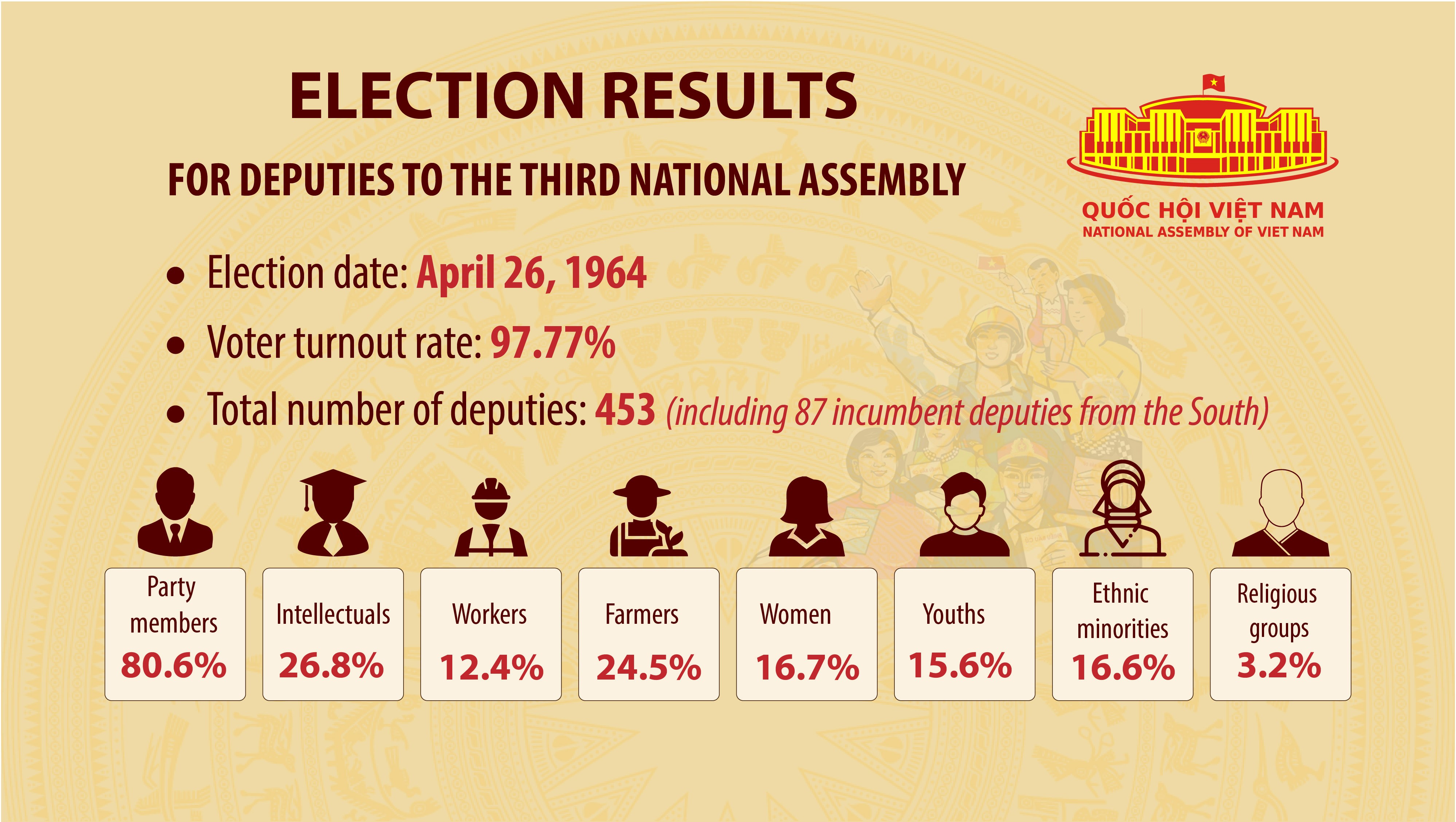
- Election date: April 26,1964
- Rate of turnout: 97.77% of 8,580,002 voters
- Total of candidates: 453
- Number of elected deputies: 366
- Number of deputies continued in office: 87
- Structure of National Assembly:
+ Workers: 12.4%
+ Farmers: 24.5%
+ Intellectuals: 26.8%
+ Political officials: 19.2%
+ Army staff: 5.0%
+ Others: 11.2%
On April 26, 1964, the election of the third National Assembly was held throughout the North. More than 8.58 million voters from 31 provinces, regions and cities in the North went to the polls. The total number of deputies to the third National Assembly was 455, of which 366 were elected and 89 deputies from the South who continued their service from the first National Assembly. The election results clearly showed the political and spiritual consensus of society in the North and the people's trust in the leadership of the Vietnam Workers' Party and the Vietnam Fatherland Front./.
Outstanding plenary sessions
* First session in Hanoi from June 27 to July 3, 1964
- The National Assembly elected:
+ State President: Ho Chi Minh
+ Vice State President: Ton Duc Thang
+ The National Assembly Standing Committee: 23 full and three alternate members
+ National Assembly Chairman: Truong Chinh
+ Prime Minister: Pham Van Dong
+ National Assembly Committees: Law-Building Committee; Planning-Budget Committee; Committee on Ethnic Affairs; Committee on Unification; Committee on Socio-cultural Affairs
* Fourth session from May 19-22, 1968
The National Assembly issued a resolution on the extension of the third National Assembly’s tenure and assigned the National Assembly Standing Committee to decide on the organisation of the election of deputies to the fourth National Assembly when conditions permitted.
* On September 22, 1969, the fifth session convened a special meeting to commemorate President Ho Chi Minh, and elected Ton Duc Thang as the new State President.
The third National Assembly ran from June 1964 to June 1971 with seven plenary sessions.
The third National Assembly, organised under the 1959 Constitution, was the National Assembly of the resistance period against the US imperialists for national salvation. Under the leadership of the Vietnam Workers' Party, with the support and regular supervision of voters, and grounded in the Constitution, the third National Assembly made decisions appropriate to the wartime situation, aiming to intensify the resistance against the US in the South, fight the destructive war of the US imperialists in the North, and strive to build an independent, unified, peaceful, democratic and prosperous Vietnam.
SUPPLEMENTING, AMENDING AND PROMULGATING LEGAL DOCUMENTS
In response to the requirements of the resistance war against the US for national salvation and the construction of socialism in the North, the third National Assembly supplemented and amended a number of important legal documents. On April 10, 1965, the National Assembly passed a Resolution assigning the National Assembly Standing Committee to exercise the power of the National Assembly to meet the practical situation. Legal documents passed during this period not only contributed to consolidating the state apparatus and protecting the rights of the people, but also created a solid legal basis for mobilising human and material resources for the frontline and maintaining a strong rear.
APPROVING WARTIME SOCIO-ECONOMIC DEVELOPMENT PLANS
The third National Assembly successively approved the two-year economic development and construction plan for 1966-1967 and the annual state plans from 1966 to 1971, aiming to implement three main requirements:
1. Highly mobilising forces in all aspects to fight and win, protect the North, and liberate the South.
2. Maintaining and developing production in accordance with the war situation, in order to meet immediate requirements, while at the same time, preparing for the future.
3. Ensuring the supply of essentials and services such as clothing, housing, transport, health care and education.
FIGHTING THE FIRST WAR OF DESTRUCTION IN THE NORTH, SUPPORTING THE SOUTH TO FIGHT THE US
From the beginning of 1965, with the spirit of "All to defeat the US invaders", the National Assembly encouraged the people of the North to strive to best implement economic and cultural development plans, and actively support the South to fight the US.
THE NATIONAL CONGRESS OF SOUTH VIETNAM REPRESENTATIVES AND THE ESTABLISHMENT OF THE REVOLUTIONARY GOVERNMENT
The National Congress of South Vietnam Representatives was convened on June 6, 1969, with delegates from the National Liberation Front of South Vietnam, the alliance of national, democratic, and peace forces of Vietnam, along with representatives of other patriotic forces in South Vietnam. The Congress declared the establishment of the Republic of South Vietnam, elected the Provisional Revolutionary Government of the Republic of South Vietnam, and formed the Advisory Council alongside the Government.
FULFILLING PRESIDENT HO CHI MINH’S TESTAMENT
At the moment when our people’s resistance war against the US was entering its most intense phase, the nation suffered an immense loss: President Ho Chi Minh passed away (September 2, 1969). Turning grief into revolutionary action, the entire Vietnamese people rose up to unite around the Party, fulfilling President Ho Chi Minh’s sacred Testament, determined to complete the cause of building socialism in the North and the people’s national democratic revolution in the South, and to struggle for national reunification.
SUPERVISION ACTIVITIES CONTRIBUTE TO STRENGTHENING DISCIPLINE AND ORDER
Through reviewing the Government’s reports, discussing and adopting important resolutions on national defence, economy, and society, the third National Assembly promptly adjusted policies and guidelines to suit practical requirements. Although the scope of questioning and supervising the implementation of laws was not extensive, it was focused and effective, contributing to strengthening discipline and order in state management. The third National Assembly affirmed its role as the centre of great national unity, joining the entire nation in striving for independence, reunification, and development.
CONTINUOUSLY EXPANDING EXTERNAL ACTIVITIES
The external activities of the third National Assembly were continuously expanded, contributing to the formation and development of a world people front in support of the just struggle of the Vietnamese people. This front included countries within the socialist system, the Indochinese people’s front, the national liberation movement, the working class of capitalist countries, progressive Americans, and all peace-loving people around the world.
During this period, the National Assembly’s external activities held important strategic significance, complementing the military and political fronts to create a combined strength that ultimately defeated the US aggressors./.
April 25, 1965
Law on amendments and supplements to the Law on Military Oblligation
October 27, 1966
Ordinance on the prohibition of illegal alcohol production
April 11, 1967
Ordinance on a number of regulations on the election and organisation of People’s Councils and Administrative Committees at all levels during wartime.
January 15, 1970
Ordinance on the naming of the State honours of Labour Hero and Hero of People’s Armed Forces
January 27, 1970
Ordinance on amendments to Article 15 of the Ordinance on detailed regulations on the organisation of the Supreme People’s Court and the organisation of the local People’s Courts promulgated on March 23, 1961
January 27, 1970
Ordinance on amendments and supplements to the Ordinance on detailed regulations on the organisation of the Supreme People’s Procuracy promulgated on April 16, 1962
International agreements, treaties, conventions ratified
- January 28, 1965: Resolution ratifying a Cultural Agreement between Vietnam and the United Arab Republic
- April 24, 1965: Resolution ratifying the Long-Term Trade Agreement between the Government of Vietnam and the Government of the United Arab Republic
- August 19, 1970: Resolution ratifying the Trade and Payment Agreement between Vietnam and the Syrian Arab Republic
- February 2, 1971: Resolution ratifying the Trade and Payment Agreement between Vietnam and Algeria
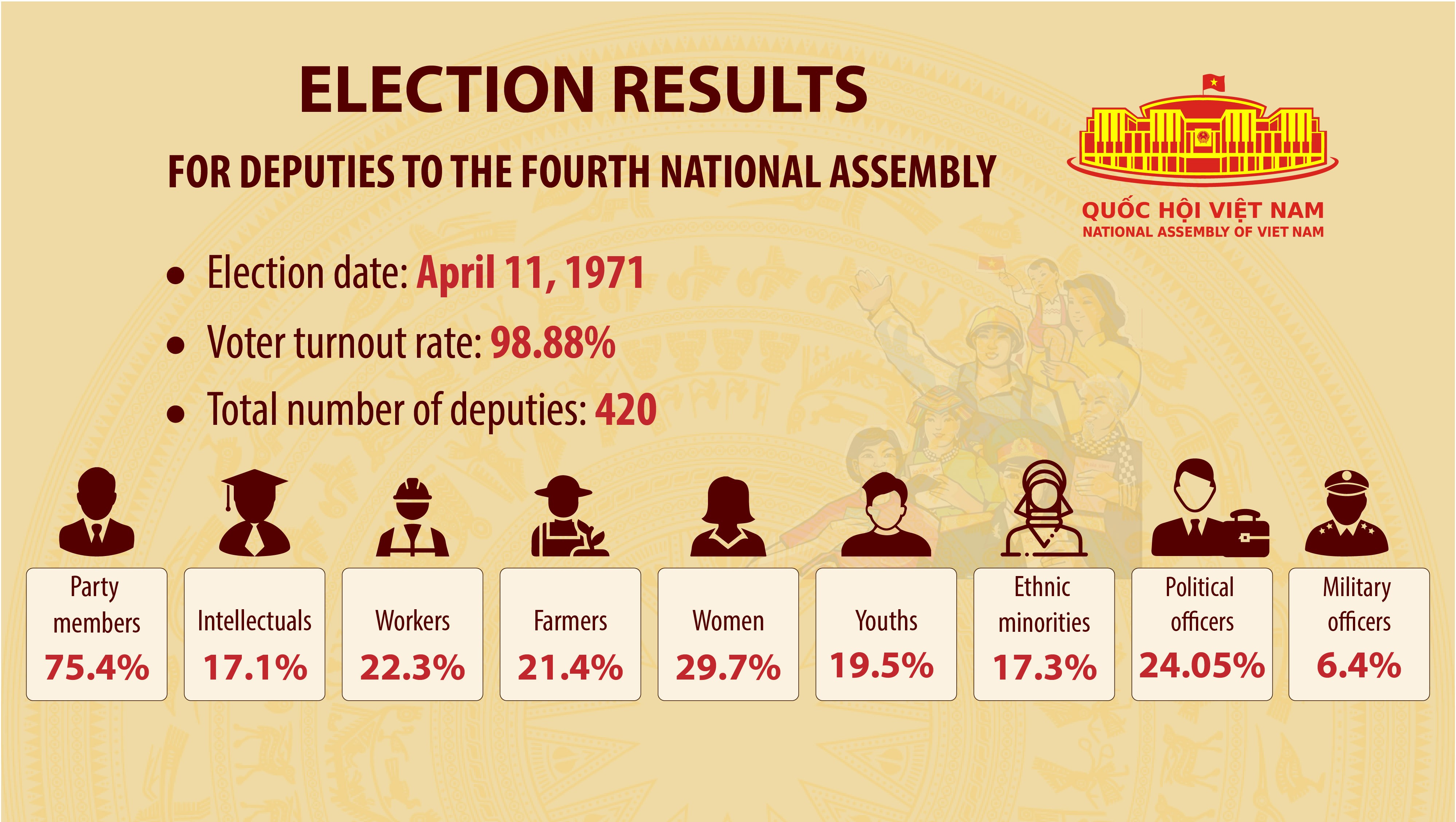
- Election date: April 11, 1971
- Rate of turnout: 98.88%
- Number of elected deputies: 420
- Structure of National Assembly:
+ Workers: 22.3%
+ Farmers: 21.4%
+ Intellectuals: 17.1%
+ Party members: 75.4%
+ Ethnic minority people: 17.3%
+ Women: 29.7%
On April 11, 1971, exercising the rights and obligations of citizens of the Democratic Republic of Vietnam, Vietnamese citizens aged 18 and over, regardless of ethnicity, gender, social class, religion, or belief, from 80 constituencies across the North to cast their ballots to elect deserving representatives to the fourth National Assembly. The voter turnout rate reached 98.88%. Voters elected 420 deputies out of a total of 529 candidates./.
* First session in Hanoi from June 6-10, 1971
- The National Assembly elected:
+ State President: Ton Duc Thang
+ Vice State President: Nguyen Luong Bang
+ The NA Standing Committee with 23 full and three alternate members
+ NA Chairman: Truong Chinh
+ Prime Minister: Pham Van Dong
+ Committees of the NA: Committee for Legal Affairs, Planning-Budget Committee; Committee on Reunification; Committee on Ethnic Affairs; Committee on Cultural and Social Affairs.
* Third session in Hanoi from February 18-21, 1973
The National Assembly passed a resolution on the signing of the agreement on ending the war and restoring peace in Vietnam.
* Fourth session in February, 1974, the NA Committee on External Relations was established.
* Fifth session from December 23-25, 1974, approved a resolution on amending Articles 11 and 12 of the Law on the Election of NA deputies of the Democratic Republic of Vietnam.
The 4th National Assembly operated amid the war; the National Assembly continued to mobilise the army and people to carry out the two tasks of protecting and building socialism in the North, and mobilising human and material resources to support the great frontline in the South to defeat the "Vietnamisation of the war" strategy of the US imperialists in 1972.
During its four years of operation with five sessions, the fourth National Assembly passed measures for ensuring the serious implementation of the Paris Peace Accords; quickly overcoming the consequences of war, restoring and developing the economy and culture, stabilising people's lives, strengthening national defence, and preparing forces for successfully liberating the South and reunifying the country.
WITH THE CAUSE OF CONTINUED CONSTRUCTION OF THE NORTH DURING 1971-1975
From 1971, the people in the North began implementing a three-year state plan (1971-1973) to restore and develop the economy and culture. The plan was approved at the second session of the fourth National Assembly (March 19-25, 1972). The National Assembly Standing Committee approved the direction for adjusting the 1972 state plan. Later, in August 1973, it adopted the direction, tasks and main targets of the 1973 national economic recovery and development plan. At the fourth session (February 1974), the National Assembly approved the direction and tasks for economic recovery and development for 1974-1975 and approved the targets of the 1974 state plan. At the fifth session (December 1974), the National Assembly passed the direction and tasks of the 1975 state plan.
ENSURING POTENTIAL TO DEFEAT US IMPERIALISTS’ SECOND WAR OF DESTRUCTION AND "VIETNAMISATION OF THE WAR" STRATEGY
The socio-economic development plans for the 1971-1975 period, adopted by the National Assembly at its sessions, achieved important victories, ensuring the strength for defeating the second war of destruction of the US imperialists while at the same time, devoting all-out efforts to support the large frontline in the South in the final stage of the resistance war against the US to save the country; and also support the Lao and Cambodian revolutions. The large support from the North rapidly increased the position and strength of the Vietnamese army and people on the battlefield, promoting the offensive strategy, defeating the US imperialists' "Vietnamisation of the war" strategy; leading to the signing of the Paris Agreement on Ending the War and Restoring Peace in Vietnam.
THE PARIS AGREEMENT ON ENDING THE WAR AND RESTORING PEACE IN VIETNAM
After nearly five years of fierce and intense negotiations, on January 27, 1973, in Paris, the capital of France, the Agreement on Ending the War and Restoring Peace in Vietnam was signed between the Government of the Democratic Republic of Vietnam, the Provisional Revolutionary Government of the Republic of South Vietnam, the US Government and the administration of the Republic of Vietnam. The main content of the Agreement is that the US and other countries respect the independence, sovereignty, unity and territorial integrity of Vietnam and the right to self-determination of the people of the South. At the third session (February 18-21, 1973), the fourth National Assembly passed a resolution supporting the signing of the Paris Peace Accords; agreeing to seriously implement the Agreement; and at the same time, requesting the US Government and the Saigon administration to respect and fully implement the provisions of the Agreement.
SUPERVISION ACTIVITIES OF THE FOURTH NATIONAL ASSEMBLY
The 4th National Assembly operated during a special historical period, when the entire Party, people and army exerted all-out efforts in the task of liberating the South and reunifying the country. In that context, the National Assembly still effectively maintained its supreme supervisory function over activities of the State. Through its sessions, the legislature reviewed and evaluated important reports of the Government, and discussed and resolved urgent issues related to national defence, security, economy and people's lives. Although the supervision activities were carried out under wartime conditions, they always adhered to the principle of democratic centralism, helping to consolidate discipline and improve the effectiveness and efficiency of the state apparatus. The fourth National Assembly continued to affirm its central role in uniting the entire nation and promoting consensus for the goal of independence, reunification and peace.
PROMOTING EXTERNAL ACTIVITIES
Building on the victories on the military and diplomatic fronts, the fourth National Assembly continued to promote the diplomatic struggle and step up international activities to gain the world's sympathy and support for the just fight of the Vietnamese people. During this term, the National Assembly invited and welcomed many delegations from countries, political parties, parliaments, and progressive organisations in Asia, Europe, the Americas, and Africa, who brought along the solidarity in fighting and warm friendship to the Vietnamese people. Hundreds of parliamentarians and famous figures in various countries issued statements or signed petitions condemning the US government for prolonging the war in Vietnam and backing the Vietnamese people’s struggle for independence and national reunification. To further promote parliamentary diplomacy, in February 1974, at the fourth session, the National Assembly's Committee for Foreign Affairs was established./.
September 11, 1972
Ordinance regulating forest protection
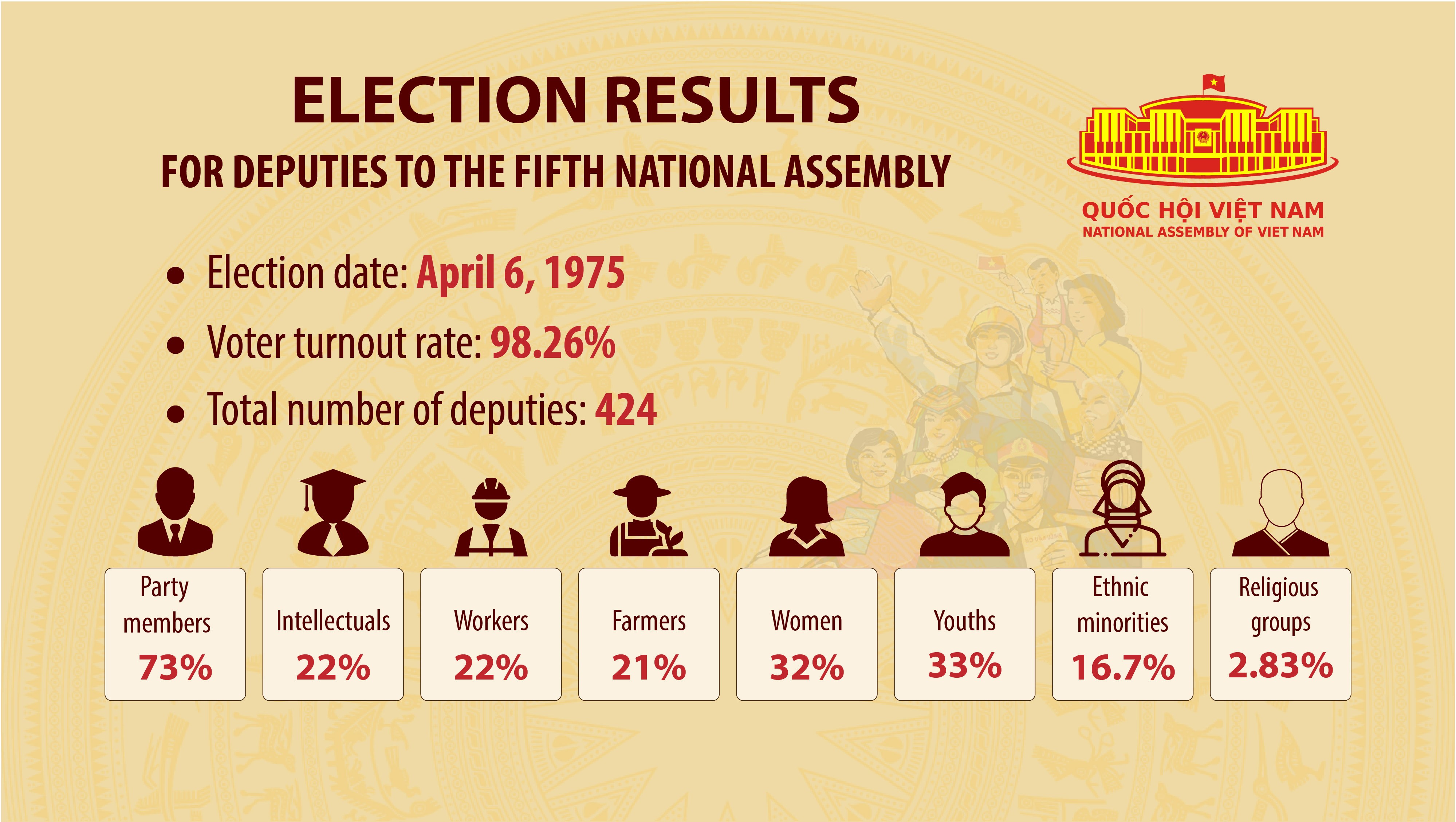
- Election date: April 6, 1975
- Rate of turnout: 98.26%
- Total of elected candidates: 424
- Structure of National Assembly:
+ Workers: 22%
+ Farmers: 21%
+ Intellectuals: 22%
+ Political officials: 23%
+ Ethnic minority people: 16.7%
+ Women: 32%
On April 6, 1975, while the news of victory from the South was continuously transmitted, millions of voters in the North enthusiastically went to the polls to elect deputies to the fifth National Assembly. Voters elected 424 deputies out of a total of 527 nominated candidates. Next, the first session was convened from June 3–6, 1975, in the context that the 1975 Spring General Offensive and Uprising has just ended with complete victory and the country was reunited. The country entered a new era - the era of national independence and reunification, and socialism construction nationwide./.
* First session in Hanoi from June 3-6
- The National Assembly elected:
+ State President: Ton Duc Thang
+ Vice State President: Nguyen Luong Bang
+ The National Assembly Standing Committee comprising of 19 full and three alternate members
+ National Assembly Chairman: Truong Chinh
+ Prime Minister: Pham Van Dong
+ Committees: Law Committee, Planning-Budget Committee, Committee on Ethnic Affairs, Committee on Socio-cultural Affairs, Reunification Committee, Committee on External Relations.
* On December 27, 1975, at the second plenum (December 22-27, 1975), the National Assembly agreed to approve the outcomes of the political consultative conference for the reunification of the Fatherland.
The fifth National Assembly was the shortest, from April 1975 to April 1976, as its tenure was shortened to conduct the general NA election of the united nation.
The 5th National Assembly had the shortest tenure, from April 1975 to April 1976, and convened only two sessions. The National Assembly Standing Committee held 10 meetings to make decisions on many critical issues of the country. The 5th National Assembly determined socio‑economic development plans, encouraged the people to strive to build the country, consolidate national defence, and swiftly prepare for the election of the National Assembly of a unified Vietnam, thus completing the national reunification in terms of state. In particular, the 5th National Assembly ratified the results of the Political Consultative Conference on National Reunification, on the basis national independence and socialism.
LIBERATING THE SOUTH, REUNIFYING THE COUNTRY
With the Great Spring Victory of 1975, the Vietnamese people’s resistance war against the US imperialists ended with complete triumph. This was one of the most glorious, resounding victories in the history of the Vietnamese nation. A new era of development in the Vietnamese revolution was opened up - an era of peace, national independence, reunification and progress toward socialism.
POLITICAL CONSULTATIVE CONFERENCE ON NATIONAL REUNIFICATION IN TERMS OF STATE
From November 15 to 21, 1975, the Political Consultative Conference between the North and the South took place in Saigon (now Ho Chi Minh City), with the attendance of 50 delegates. The Conference affirmed the earnest aspiration of the Vietnamese people in both regions to establish a common state to harness the strength of the entire nation, building a peaceful, independent, unified, and socialist Vietnam.
RECOVERING THE ECONOMY, STABILISING SOCIETY, PROTECTING THE FATHERLAND
From December 22 - 27, 1975, the second session of the fifth National Assembly was held in Hanoi. The National Assembly ratified the results of the Political Consultative Conference on National Reunification in terms of state and approved the state plan for 1976, with the tasks of swiftly stabilising the situation in the South, overcoming war consequences, and restoring and developing socio-economic life in both regions; passed the state budget for 1976 and the final settlement of the state budget in 1974.
The National Assembly passed a Resolution on abolishing the regional level in the system of administrative units of the Democratic Republic of Vietnam, repealing the provisions on autonomous regions in the Constitution of the Democratic Republic of Vietnam, and approving the merger of certain provinces and cities.
APPROVING RESOLUTIONS ON LEGAL WORK; PERFORMING SUPREME SUPERVISORY FUNCTIONS
During the term of the 5th National Assembly, activities of the National Assembly Standing Committee, the National Assembly’s Committees and deputies took place in various fields. From the first session (June 1975) to the second session (December 1975), the National Assembly Standing Committee held 10 meetings and passed 64 resolutions on matters within the National Assembly Standing Committee’s authority, including resolutions on the legal work; receiving and handling petitions and complaints; state organisation; and the award and commendation work.
The National Assembly continued to perform its supreme supervisory functions over the entire operation of the state apparatus.
EXPANDING FOREIGN RELATIONS
The victory of the resistance war against the US for national salvation helped raise Vietnam’s prestige and position in the international arena. To heal wounds of war and rebuild the country, the Party and State pursued the policy of expanding foreign relations and international cooperation to garner material support for the national reconstruction process after the two resistance wars that lasted nearly three decades. At that time, the National Assembly’s external activities mainly focused on receiving parliamentary delegations from countries and arranging visits of delegations of the Vietnamese National Assembly to foreign countries to seek assistance from fraternal and friendly nations, contributing actively to solving difficulties following the complete liberation of the country and enhancing Vietnam’s position in the world./.
During the term of the 5th National Assembly, activities of the National Assembly Standing Committee, the National Assembly’s Committees and deputies took place in various fields. From the first session (June 1975) to the second session (December 1975), the National Assembly Standing Committee held 10 meetings and passed 64 resolutions on matters within the National Assembly Standing Committee’s authority, including resolutions on the legal work; receiving and handling petitions and complaints; state organisation; and the award and commendation work.
The National Assembly continued to perform its supreme supervisory functions over the entire operation of the state apparatus.
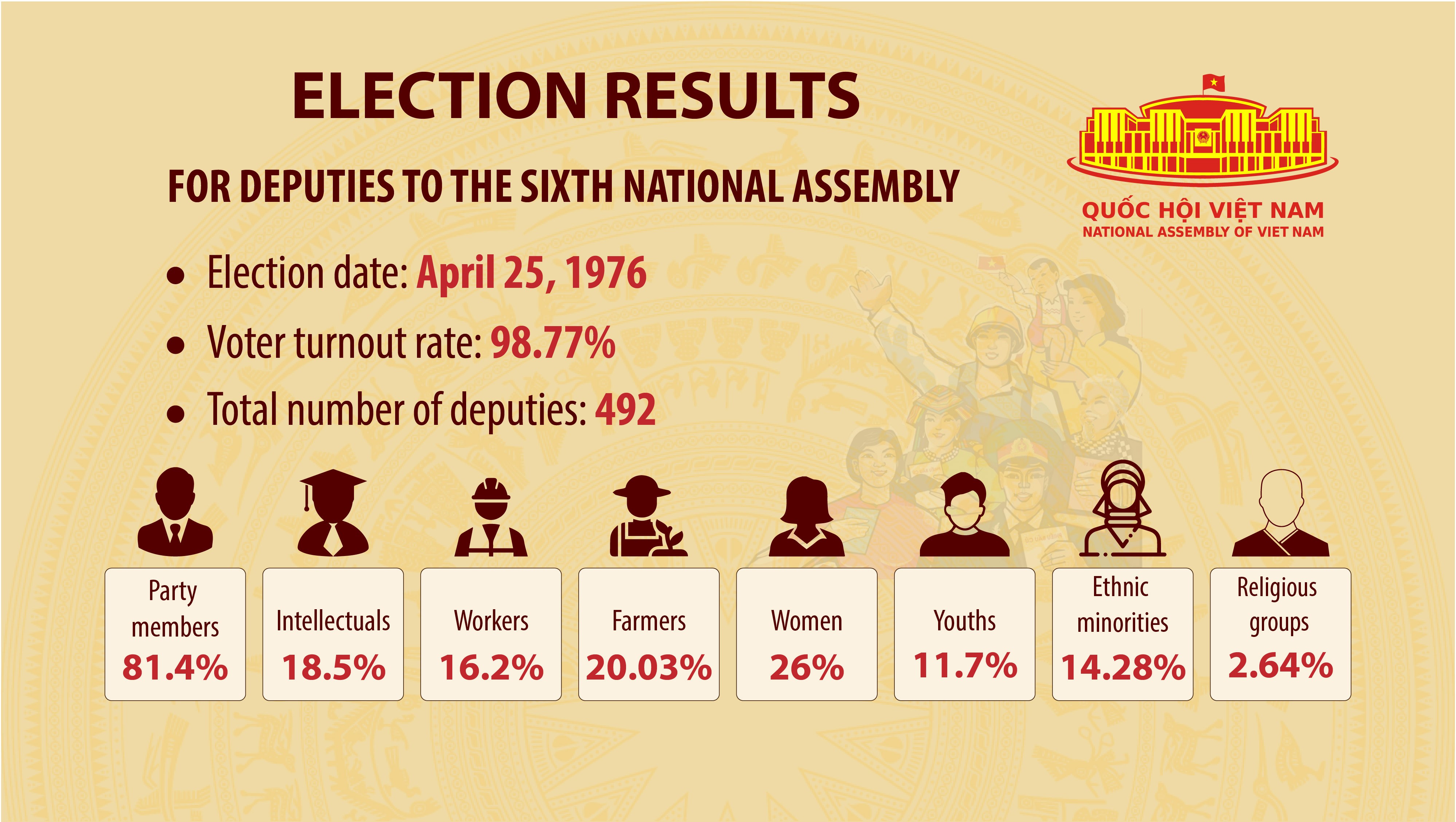
- Election date: April 25, 1976
- Voter turnout: over 23 million
- Number of elected deputies: 492
- Structure of National Assembly:
+ Workers: 16.2%
+ Farmers: 20.3%
+ Party Members: 80.8%
+ Intellectuals: 18.5%
+ Ethnic minority people: 14.28%
+ Women: 26.2%
The general election to elect the National Assembly of a unified Vietnam took place on April 25, 1976. This was truly a great festival of the entire Vietnamese people. In a jubilant atmosphere, over 23 million voters, in the spirit of being masters of the country, enthusiastically fulfilled their civic duty by electing 492 deputies to the sixth National Assembly – the National Assembly of an independent and unified Vietnam./.
* First session in Hanoi from June 24 - July 3, 1976
- The National Assembly elected:
+ State President: Ton Duc Thang (until April 1980); Acting State President Nguyen Huu Tho (from April 1980 to July 1981)
+ Vice President: Nguyen Luong Bang, Nguyen Huu Tho
+ National Assembly Standing Committee: 21 full and 2 alternate members
+ National Assembly Chairman: Truong Chinh
+ Prime Minister: Pham Van Dong
+ Chief Justice of the Supreme People’s Court: Pham Van Bach
+ Prosecutor General of the Supreme People’s Procuracy: Tran Huu Duc
- The National Assembly formed the: Planning-Budget Committee; Law-Building Committee; Committee on Ethnic Affairs; Committee on Culture-Education; Committee on Health-Social Affairs; Committee on External Affairs.
- The National Assembly passed: + A resolution on country’s name, national flag, national emblem, capital, and national anthem of the unified Vietnam. The Socialist Republic of Vietnam was taken as the country’s
+ A resolution on the official renaming of Saigon-Gia Dinh into Ho Chi Minh City.
* On December 18, 1980, at the seventh session (from December 12-26, 1980), the National Assembly passed the Law on the Election of National Assembly Deputies and the new Constitution - the 1980 Constitution.
The sixth National Assembly lasted for five years from 1976-1981, with seven sessions./.
The 6th National Assembly decided on the general guidelines and policies, organisational structure and elected the highest leadership bodies of the Socialist Republic of Vietnam before the adoption of a new Constitution; passed Resolutions on the country's name, national flag, national anthem; decided to change the name of the Democratic Republic of Vietnam to the Socialist Republic of Vietnam and officially renamed Sai Gon - Gia Dinh city as Ho Chi Minh City.
The 6th National Assembly actively contributed to building a new administration system in the South, created a unified legal system throughout the country, and adopted the 1980 Constitution, which marked a new stage in the country's development process.
BUILDING AND APPROVING THE NEW CONSTITUTION
With a noble responsibility for the fate of the nation, the 6th National Assembly drafted and approved the Constitution of the Socialist Republic of Vietnam - the 1980 Constitution. The new Constitution institutionalised the Party's guidelines and policies during the transitional period toward socialism in the spirit of the Resolution of the fourth National Party Congress. Compared with the 1959 Constitution, the functions, tasks and powers of the National Assembly basically remained unchanged, but its organisational structure underwent major changes. That was the establishment of the State Council to replace the National Assembly Standing Committee and the addition of the positions of National Assembly Chairman and Vice Chairman. In addition, the 6th National Assembly also passed the Law on Election of Deputies to the National Assembly of the Socialist Republic of Vietnam and five ordinances, which are the legal basis for upholding people's right to mastery and ensuring people's power in accordance with the Constitution and laws.
APPROVING IMPORTANT RESOLUTIONS
On July 2, 1976, at the first session, the 6th National Assembly adopted key resolutions on the name of the country, the national flag, the national emblem, the capital, and the national anthem of a unified Vietnam. Accordingly, the country was renamed the Socialist Republic of Vietnam. This was an important event, providing directions for national development while laying the foundation and momemtum for the nation to achieve glorious achievements in the future.
The National Assembly elected in the general election on April 25, 1976 was named the 6th National Assembly, signifying the continuation of the legacy of the five preceding legislatures.
APPROVING THE SECOND FIVE-YEAR STATE PLAN (1976–1980)
In the context of the country just emerging from the war and facing many difficulties, the 6th National Assembly, at its sessions, approved the annual socio-economic development plans and the second five-year State plan (1976–1980), in accordance with the spirit of the Resolution of the fourth National Party Congress. On such basis, the Government pressed ahead with drastic actions and achieved considerable strides in economic recovery and development, cultural enrichment, bringing the whole country toward socialism.
WITH THE MISSION OF DEFENDING THE FATHERLAND
After the liberation of the South and national reunification, our people continued to face new challenges: fighting the invasion war staged by the Pol Pot-Ieng Sary group (Cambodia) along the southwestern border, defending the Fatherland and helping the Cambodian people escape from genocide (1975-1979) and winning the northern border defence war (February 17 - March 18, 1979). Against that backdrop, the National Assembly called on compatriots and soldiers nationwide to maintain vigilance, stay ready to combat, resolutely smash all actions of hostile forces, and protect the independence, sovereignty and territorial integrity of the nation.
SUPERVISION ACTIVITIES OF THE SIXTH NATIONAL ASSEMBLY
As the country entered the transitional period toward socialism amid immense post-war challenges, the National Assembly ceaselessly strengthened and improved the effectiveness of its supervision activities. Through its sessions, the National Assembly monitored the enforcement of the 1980 Constitution and tracked progress of the socio-economic development plans, the restoration of production, stabilisation of people's lives, and assurance of national defence-security. This supervisory work not only enhanced the efficiency of state management but also reinforced administrative order and discipline, and clearly demonstrated the National Assembly’s role in ensuring the unified and coherent operation of the state apparatus during a challenging historical period.
PERSISTENTLY FOLLOWING THE PATH OF INDEPENDENCE, self-reliance, GAINING INTERNATIONAL SUPPORT
Holding high the flag of national independence and socialism, persevering the policy of independence, self-reliance and international solidarity, the 6th National Assembly carried out extensive foreign affairs across multiple fields, localities and with major international organisations to solve issues of strategic significance and complex challenges facing the country in international relations. The 6th National Assembly examined and ratified many friendship and cooperation treaties between Vietnam and other countries. Also during this term, the National Assembly delegation was accepted as a member of the Inter-Parliamentary Union (April 1979)./.
December 19, 1980
The 1980 Constitution of the Socialist Republic of Vietnam
December 20, 1980
Law on the Election of National Assembly Deputies of the Socialist Republic of Vietnam
December 2, 1978
Ordinance on the application of death penalty commutations and the approval of the death penalty
November 21, 1979
Ordinance on child protection, care, and education
April 26, 1980
Ordinance on amendments and supplements to a number of regulations on industry-trade taxes and slaughter tax
January 22, 1981
Ordinance on amendments and supplements to a number of items in the 1961 Ordinance on regulations on the election of People’s Councils at all levels
September 15,1977
+ Resolution ratifying the Vietnam-Laos Treaty on Delimitation of National Boundaries
+ Resolution ratifying the Vietnam-Laos Treaty of Amity and Cooperation
December 13, 1977
Resolution ratifying the Friendship Treaty between Vietnam and the German Democratic Republic
November 29,1978
Resolution ratifying the Treaty of Amity and Cooperation between Vietnam and the Soviet Union
February 23, 1979
Resolution ratifying the Treaty of Peace, Amity and Cooperation between Vietnam and Cambodia
June 28, 1979
Resolution ratifying the Consular Agreement between Vietnam and the Soviet Union
December 18, 1979
+ Resolution ratifying the Treaty of Amity and Cooperation between Vietnam and Mongolia
+ Resolution ratifying the Consular Agreement between Vietnam and Poland
+ Resolution ratifying the Consular Agreement between Vietnam and Bulgaria
+ Resolution ratifying the Consular Agreement between Vietnam and the German Democratic Republic
+ Resolution ratifying the Consular Agreement between Vietnam and Mongolia
March 27, 1980
Resolution ratifying the Treaty of Amity and Cooperation between Vietnam and Czechoslovakia
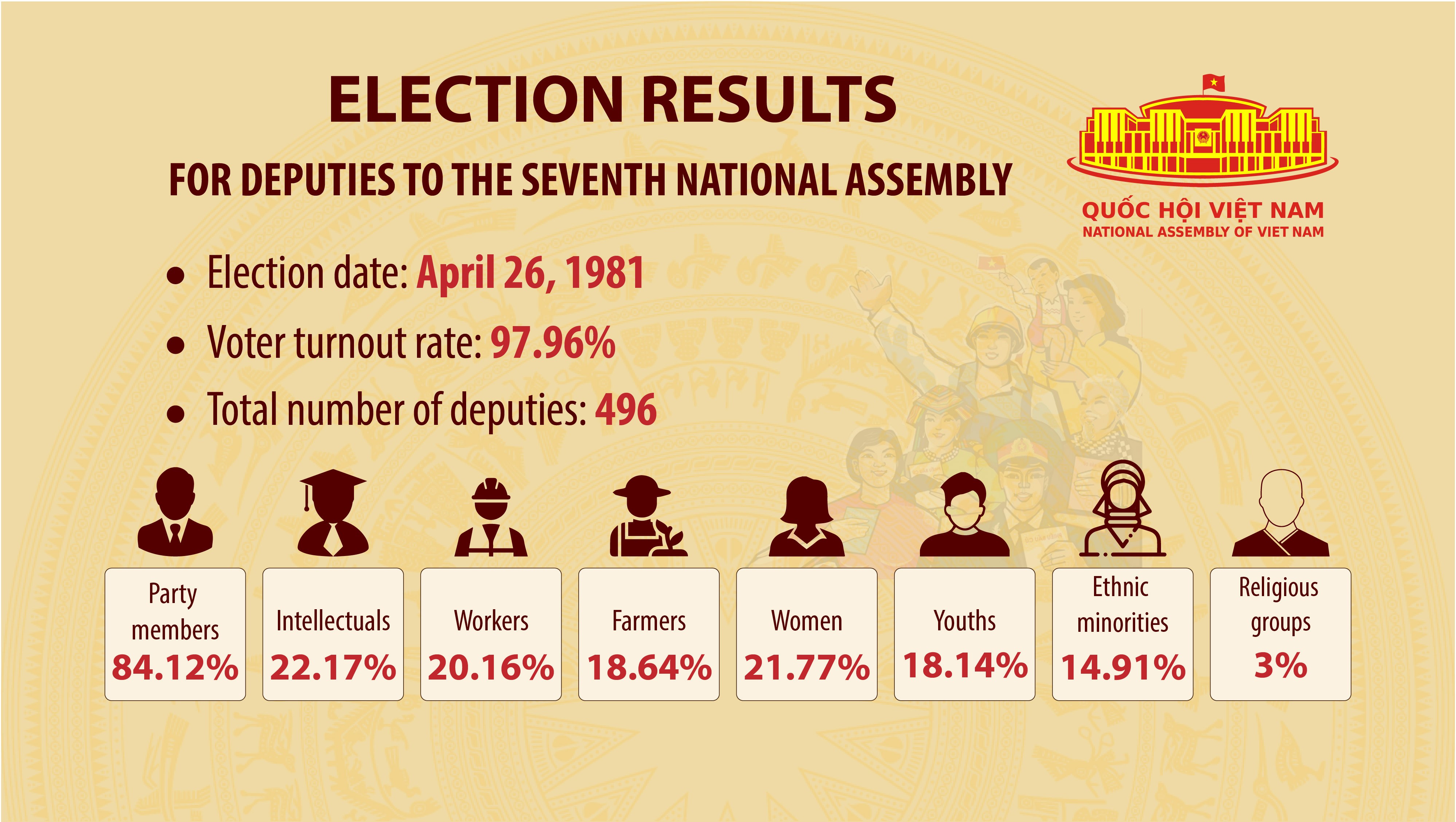
- Election date: April 26, 1981
- Rate of turnout: 97.96%
- Number of elected candidates: 496 (in the seventh tenure, six deputies passed away and six others were additionally elected)
- Structure of National Assembly:
+ Workers: 20.16%
+ Farmers: 18.64%
+ Party members: 84.12%
+ Intellectuals: 22.17%
+ Ethnic Minority people: 14.91%
+ Women: 21.77%
The election of deputies to the 7th National Assembly was held on April 26, 1981, with a voter turnout of 97.96%. Of the 614 candidates for National Assembly deputies in 93 constituencies, 496 were elected. The success of the election affirmed that, despite economic and living difficulties, the people, soldiers and cadres nationwide exercised their right to collective mastery and wisely selected deputies worthy to the highest representative body of the people.
* First session in Hanoi from June 24 to July 4, 1981
- The National Assembly elected:
+ State Council including 12 members
+ State Council President: Truong Chinh
+ National Assembly Chairman: Nguyen Huu Tho
+ Chairman of Council of Ministers: Pham Van Dong
+ Chief Justice of Supreme People’s Court: Pham Hung
+ Prosecutor General of Supreme People’s Procuracy: Tran Le
+ The National Assembly set up the Council for Ethnic Affairs and committees, including: Law Committee; Committee on Economic Affairs, Planning and Budget; Committee on Culture and Education; Committee on Science and Technology; Committee on Health and Social Affairs; Committee for Youth, Adolescents and Children; and Committee on External Relations.
* On June 27, 1985, during the 9th plenary plenum (from June 21-27, 1985), the National Assembly passed the Penal Code.
* On December 29, 1986, at the 12th plenary session (from December 23-29, 1986), the National Assembly passed the Law on Marriage and Family.
The 7th National Assembly lasted six years (1981-1987), with 12 sessions.
The 7th National Assembly was organised and operated under the 1980 Constitution, at a time when both domestic and international conditions offered certain advantages, yet many difficulties and complexities remained.
On the economic front, the country faced numerous pressing challenges. Over the course of 12 sessions, the National Assembly exercised its role as the highest state power agency of the people in strengthening and perfecting the system of collective mastery, issuing legal documents to concretise the Constitution; and gradually building a complete legal system, creating a premise for the State to manage all political, economic, cultural and social activities in accordance with the Constitution and the laws. Operating in the initial stage of the country’s renewal process, the 7th National Assembly accelerated legislative work, strengthened supervision, and decided on other important issues to meet the requirements of national reform.
LEGISLATIVE ACTIVITIES
During the 7th term, with 12 sessions, the National Assembly passed 10 laws and 35 resolutions, while the State Council issued 15 ordinances. In addition to new laws on the organisation of state apparatus under the 1980 Constitution, it is noteworthy that for the first time, the National Assembly issued the Criminal Code (1985) comprising 280 articles regulating crimes and penalties, and the Law on Marriage and Family (1986) with 57 articles on the basis of inheriting and developing the Marriage and Family Law in 1959, demonstrating a major step forward in the National Assembly’s legislative activities.
APPROVING ANNUAL STATE PLANS AND FIVE-YEAR PLAN (1981–1985); CAREFULLY CONSIDERING AND DECIDING ON SOCIO-ECONOMIC DEVELOPMENT TARGETS
In the early 1980s, Vietnam’s economy faced severe difficulties. The Party and the Government issued numerous resolutions and decisions to gradually reform the economic management mechanism. At its second, third and fourth sessions, based on the guidelines of the fifth National Party Congress (March 1982) and reports from the Council of Ministers, the seventh National Assembly studied, analysed, discussed, and adopted annual socio-economic development plans and orientations until 1985. The National Assembly carefully reviewed and decided on socio-economic development targets aimed at overcoming difficulties, imbalances and budget deficits, as well as boosting production. However, the Five-Year Plan (1981–1985) failed to achieve the goals set by the fifth National Party Congress. The country remained under blockade and embargo. Moreover, some serious mistakes during the reform process further exacerbated the socio-economic crisis.
SUPERVISING OPERATIONS OF THE STATE APPARATUS
During the 7th term, the supervision work of the National Assembly and the State Council received due attention, focusing on major issues in socio-economic management, enforcement of the Constitution and laws, and strengthening the socialist legal system. The National Assembly questioned and reviewed work reports of the Government and relevant agencies, demonstrating its supervisory role, and urging timely policy adjustments. In particular, at the 10th session, deputies focused their questions on assessing mistakes and shortcomings in the implementation of the Resolution of the eighth meeting of the fifth Party Central Committee on “price–wage–currency” policy, while also proposing recovery measures.
EXTERNAL ACTIVITIES BREAK BLOCKADE AND EMBARGO
Following the principles of the Party's foreign policy, external activities of the 7th National Assembly aimed at strengthening comprehensive cooperation with the parliaments of socialist countries, seek broad sympathy and support from countries around the world to break the blockade and embargo by hostile forces against Vietnam. The 7th National Assembly also took advantage of the Inter-Parliamentary Union forum to clarify Vietnam's views and positions; and supported peace initiatives to ensure common security for humanity, helping to enhance Vietnam's role and position while fulfilling international obligations with countries in the region and around the world.
July 11, 1981
Law on the Organisation of the National Assembly and State Council of the Socialist Republic of Vietnam
July 13, 1981
+ Law on the Organisation of the People’s Court
+ Law on the Organisation of the People’s Procuracy
July 14, 1981
Law on the Organisation of the Council of Ministers of the Socialist Republic of Vietnam
January 10, 1982
+ Law on Military Obligation
+ Law on Vietnam People’s Army Officers
July 9, 1983
Law on the Organisation of People’s Councils and People’s Committees
January 2,1984
Law on the Election of People’s Councils and People’s Committees
July 9, 1985
Penal Code of the Socialist Republic of Vietnam
January 3, 1987
Law on Marriage and Family
December 3, 1981
Ordinance stipulating the consideration and settlement of citizens’ complaints and denunciations
May 23, 1981
Ordinance on Punishments for Bribery
July 10, 1982
Ordinance on Punishments for crimes of speculation, smuggling, counterfeiting and illegal business
December 11, 1982
Ordinance on Protection of National Archives
March 3, 1983
Ordinance on Agricultural Taxation
March 11, 1983
Ordinance revising certain articles on Industrial and Trade Taxation
November 28, 1983
Ordinance on Issuance of Government Bonds for National Construction
April 4, 1984
Ordinance on Protection and Use of Historical and Cultural Relics and Scenic Sites
June 3, 1985
Ordinance on Amendments and Supplements to certain points in Ordinance on Issuance of Government Bonds for National Construction
September 13, 1985
Ordinance on Issuance of New Banknotes and Collection and Exchange of Old Banknotes
November 8, 1986
Ordinance amending Calculation of Rates in the Charters of Industry and Trade Taxes and Taxes on Goods
June 16, 1981
Resolution ratifying Convention on the Legal Status, Privileges, and Immunities of Intergovernmental Economic Organisations Acting in Certain Areas of Cooperation
August 28, 1981
Resolution ratifying Protocol Additional to the Geneva Conventions of August 12, 1949 (Protocol 1 on August 6, 1977)
October 29, 1981
Resolution approving Consular Agreement between Vietnam and Cuba
November 30, 1981
Resolution ratifying Convention on the Elimination of All Forms of Discrimination Against Women
January 22, 1982
Resolution ratifying Treaty on Mutual Legal Assistance on Civil, Family and Criminal Matters between Vietnam and the Soviet Union
November 30, 1982
Resolution ratifying Vietnam - Cuba Treaty of Amity and Cooperation
December 15, 1982
Resolution ratifying Consular Agreement between Vietnam and France
March 30, 1983
Resolution ratifying Treaty on Mutual Legal Assistance and Legal Relations on Civil and Criminal Matters between Vietnam and Czechoslovakia
August 31, 1984
Resolution ratifying Vietnam - Nicaragua Consular Agreement
January 30, 1985
Resolution ratifying Vietnam - Laos Consular Agreement
February 27, 1985
Resolution ratifying Vietnam - Hungary Treaty of Amity and Cooperation
March 26, 1985
Resolution ratifying Treaty on Mutual Legal Assistance on Civil, Family, Labour and Criminal Matters between Vietnam and Cuba
March 26, 1985
Resolution ratifying Treaty on Mutual Legal Assistance on Civil, Family, Labour and Criminal Matters between Vietnam and Hungary
October 28, 1985
Resolution on ratifying Convention concerning the Juridical Personality, Privileges and Immunities of the Council for Mutual Economic Assistance between the Governments of Vietnam and Poland
December 21, 1985
Resolution ratifying International Telecommunication Convention
April 1, 1986
Resolution ratifying Supplementary Treaty to the 1985 Treaty on the Delimitation of National Boundaries between Vietnam and Laos
January 30, 1986
Resolution ratifying Treaty on the Delimitation of National Boundaries between Vietnam and Cambodia
February 16, 1987
Resolution ratifying Treaty on Mutual Legal Assistance on Civil, Family, Labour and Criminal Matters between Vietnam and Bulgaria.
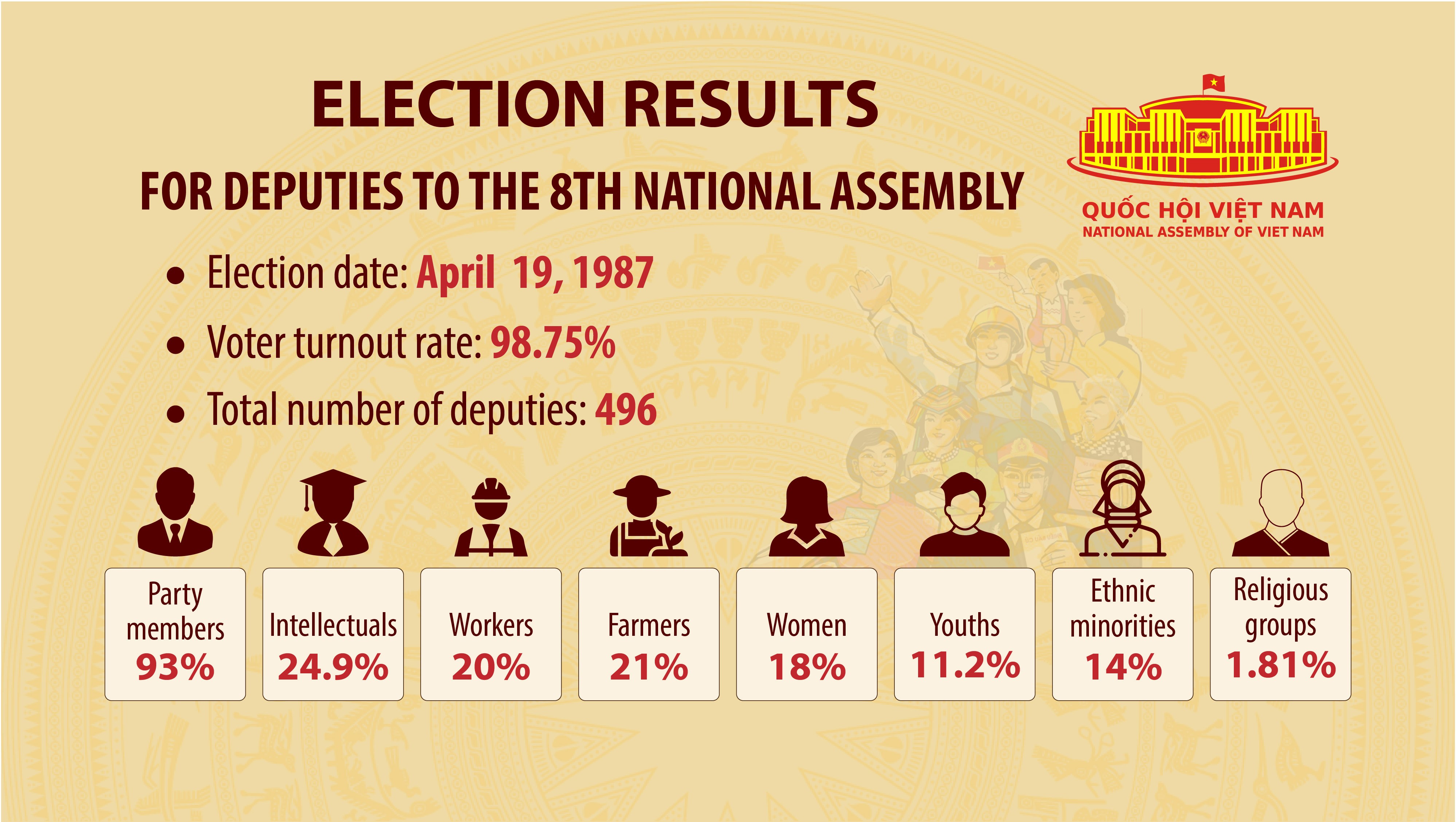
- Election date: April 19, 1987
- Rate of turnout: 98.75%
- Total elected deputies: 496
- Structure of National Assembly:
+ Workers: 20%
+ Farmers: 21%
+ Party members: 93%
+ Intellectuals: 24.9%
+ Ethnic minority people: 14%
+ Women: 18%
On April 19, 1987, the election of deputies to the 8th National Assembly was held nationwide. Out of 828 candidates, 496 deputies were elected, with a voter turnout of 98.75%. In the spirit of democracy, the people wisely chose outstanding representatives with qualities, capabilities and ability to well perform the tasks entrusted by the people.
* First session in Hanoi from June 17 to 22, 1987
- The National Assembly elected:
+ State Council, comprising 15 members
+ Chairman of the State Council: Vo Chi Cong
+ Chairman of the National Assembly: Le Quang Dao
+ Chairman of the Council of Ministers: Pham Hung (until March 10, 1988), Acting Chairman of the Council of Ministers Vo Van Kiet (from March to June 1988), Chairman of the Council of Ministers Do Muoi (from June 1988 to August 1991)
+ Chief Justice of the Supreme People’s Court: Pham Hung
The 8th National Assembly (1987-1992) operated during the nation’s early stage of the renewal period, with the central task of institutionalising the comprehensive reform policy set forth by the 6th National Party Congress. The National Assembly issued many important laws, gradually perfecting the legal system suitable for the new economic mechanism; strengthening supervision of key areas of social life; and deciding on major issues regarding economy, politics, national defence, security and foreign affairs. Particularly, at the final session (April 1992), the 8th National Assembly passed the 1992 Constitution - a foundational legal document marking a new development step of the socialist rule-of-law State of Vietnam.
BUILDING A LEGAL SYSTEM TO MEET THE REQUIREMENTS AND TASKS OF THE RENEWAL PROCESS
With the principle of renewing the legal mindset, the legislative work of the 8th National Assembly was carried out actively. During five years of operation, the 8th National Assembly promulgated two codes and 25 laws; and the State Council issued 39 ordinances. Many important economic laws such as the Law on Foreign Investment in Vietnam, the Law on Companies, and the Law on Private Enterprises were issued for the first time, institutionalising the policy of developing a multi-sector commodity economy, creating legal foundations and contributing to the country's economic development.
APPROVING THE 1992 CONSTITUTION
On April 15, 1992, at the 11th session of the 8th National Assembly, the National Assembly adopted the new Constitution, consisting of the Preamble, 12 chapters, and 147 articles, fundamentally and comprehensively revising the 1980 Constitution. The Constitution affirmed that the Socialist Republic of Vietnam is a socialist rule-of-law State of the People, by the People, and for the People, under the leadership of the Party; expanded human rights and citizens’ rights; recognised a multi-sectoral economy operating under the socialist-oriented market mechanism; clearly defined the state apparatus alongside policies on national defence, security, and foreign affairs.
APPROVING THE FIVE-YEAR STATE PLAN (1986–1990) AND ANNUAL STATE BUDGET ESTIMATES
During the 8th tenure, the National Assembly approved the Five-Year State Plan (1986–1990) with three major economic programmes on food-foodstuff, consumer goods, and exports; and adopted the annual socio-economic development plans and state budget estimates. At its sessions, the National Assembly focused on discussing, passing resolutions, and implementing the Party’s comprehensive renewal policy, gradually developing a socialist-oriented market economy.
ENHANCING SUPERVISION ACTIVITIES
The 8th National Assembly was the first National Assembly operating in the renewal period, marking a strong transformation of the country on the path of socialist-oriented socio-economic development. In the context of transitioning from a subsidised mechanism to a state-managed market economy, the National Assembly’s supervision was expanded in terms of scope, content, and method. The National Assembly closely supervised the implementation of renewal policies, economic management, budgetary affairs, administrative reforms, and people’s livelihoods. Question-and-answer sessions and debates at the National Assembly’s sessions became more dynamic and substantive, reflecting democracy, responsibility, and determination to reform legislative and supervisory activities. The supervision activities by the eighth National Assembly made important contributions to institutionalising and bringing the Party’s renewal policy into life.
IMPLEMENTING AN OPEN FOREIGN POLICY
Implementing the renewal process, Vietnam’s foreign policy during this period aimed to maintain peace and take advantage of favourable international conditions to advance the construction of socialism and defend the Fatherland. With the principle “Vietnam wants to be a friend of all countries in the world, striving for peace, independence, and development,” the National Assembly and the State Council actively and effectively carried out external activities in multiple directions, gradually improving relations with neighbouring countries and many other nations worldwide.
One Constitution, 31 laws and codes, 42 ordinances
April 18, 1992
1992 Constitution of the Socialist Republic of Vietnam
January 8, 1988
Land Law
January 9, 1988
Law on foreign investment in Vietnam
July 9, 1988
+ Criminal Procedure Code
+ Law on Vietnamese nationality
January 11, 1988
Law on export tariffs and import tariffs
January 4, 1989
+ Law amending and supplementing the law on the organisation of People’s Courts
+ Law amending and supplementing the law on the organisation of People’s Procuracies
July 11, 1989
+ Law on protection of people’s health
+ Law on election of deputies to People’s Councils
+ Law on organisation of People’s Councils and People’s Committees
January 2, 1990
+ Law on the press
+ Law amending and supplementing certain articles of the Penal Code
June 30, 1990
Vietnam Maritime Code
July 7, 1990
+ Law on trade unions
+ Law amending and supplementing certain articles of the Criminal Procedures Code
+ Law amending and supplementing certain articles of the law on foreign investment in Vietnam
August 8, 1990
+ Law on revenue tax
+ Law on benefit tax
+ Law on special consumption tax
January 2, 1991
+ Law on companies
+ Law on private businesses
+ Law amending and supplementing certain articles of the law on military obligations
+ Law amending and supplementing certain articles of the law on officers of the Vietnam People’s Army
August 16, 1991
+ Law on child protection, care and education
+ Law on primary education universalisation
+ Law amending and supplementing certain articles of the Penal Code
August 19, 1991
Law on forest protection and development
January 4, 1992
+ Law on civil aviation of Vietnam
+ Law on export tariffs, import tariffs
April 18, 1992
+ Law on election of deputies to the National Assembly
+ Law on organisation of the National Assembly of the Socialist Republic of Vietnam
November 14, 1987
Ordinance on the People’s Security force of Vietnam
November 28, 1987
Ordinance amending and supplementing certain articles of the regulations on industrial and commercial taxes and the regulations on commodity tax
December 30, 1987
Ordinance on organisations of lawyers
May 20, 1988
Ordinance on accounting and statistics
December 10, 1988
Ordinance on the transfer of foreign technology into Vietnam
November 22, 1988
Ordinance on community service obligation
March 13, 1989
Ordinance amending and supplementing certain articles of ordinances and regulations on industrial and commercial tax and commodity tax
April 17, 1989
Ordinance on organisation of criminal investigations
May 5, 1989
Ordinance on protection and development of fisheries resources
August 7, 1989
Ordinance on mineral resources
December 7, 1989
+ Ordinance on procedures for settlement of civil cases
+ Ordinance on sanctioning of administrative violations
August 31, 1989
Ordinance on execution of civil judgments
September 29, 1989
Ordinance on economic contracts
October 25, 1989
Ordinance on the signing and implementation of international treaties by the Socialist Republic of Vietnam
February 11, 1989
+ Ordinance on protection of industrial property rights
+ Ordinance on the People’s Police force of Vietnam
+ Ordinance amending and supplementing the ordinance on agricultural tax
November 16, 1989
Ordinance on dykes
February 23, 1990
Ordinance on customs
April 1, 1990
Ordinance on inspection
May 24, 1990
+ Ordinance on the State Bank of Vietnam
+ Ordinance on banks, credit cooperatives and financial companies
July 16, 1990
Ordinance on measurement
April 9, 1990
+ Ordinance amending and supplementing certain articles of the ordinance on organisation of military courts
+ Ordinance amending and supplementing certain articles of the ordinance on organisation of military procuracies
+ Ordinance on natural resources taxes
September 10, 1990
+ Ordinance on labour contracts
+ Ordinance on inheritance
November 24, 1990
Ordinance on consular affairs
January 12, 1990
Ordinance on economic arbitration
July 1, 1991
Ordinance on house and land tax
January 2, 1991
Ordinance on goods quality
April 6, 1991
Ordinance on housing
January 7, 1991
Ordinance on income tax for high-income earners
May 7, 1991
+ Ordinance on civil contracts
+ Ordinance on citizens’ complaints and denunciations
November 8, 1991
Ordinance on protection of State secrets
September 19, 1991
+ Ordinance on labour protection
+ Ordinance amending and supplementing certain articles of the ordinance on the People’s Police force of Vietnam
+ Ordinance amending and supplementing certain articles of the ordinance on the People’s Security force of Vietnam
February 29, 1992
Ordinance on foreigners’ entry, exit, residency, and travel in Vietnam
International agreements, treaties, conventions ratified
Resolution ratifying the agreement on cooperation in the use of atomic energy for peaceful purposes between the Governments of Vietnam and India (issued on April 28, 1987).
Resolution ratifying the friendship and cooperation agreement between Vietnam and Afghanistan (issued on February 5, 1988).
Resolution ratifying the Third Additional Protocol to the Constitution of the Universal Postal Union (issued on October 17, 1989).
Resolution ratifying the United Nations Convention on the Rights of the Child (issued on February 20, 1990).
Resolution ratifying the agreement on national border regulations between Vietnam and Laos (issued on May 24, 1990).
Resolution ratifying the agreement on extension of debt repayment deadline between Libya and Vietnam (issued on October 29, 1990).
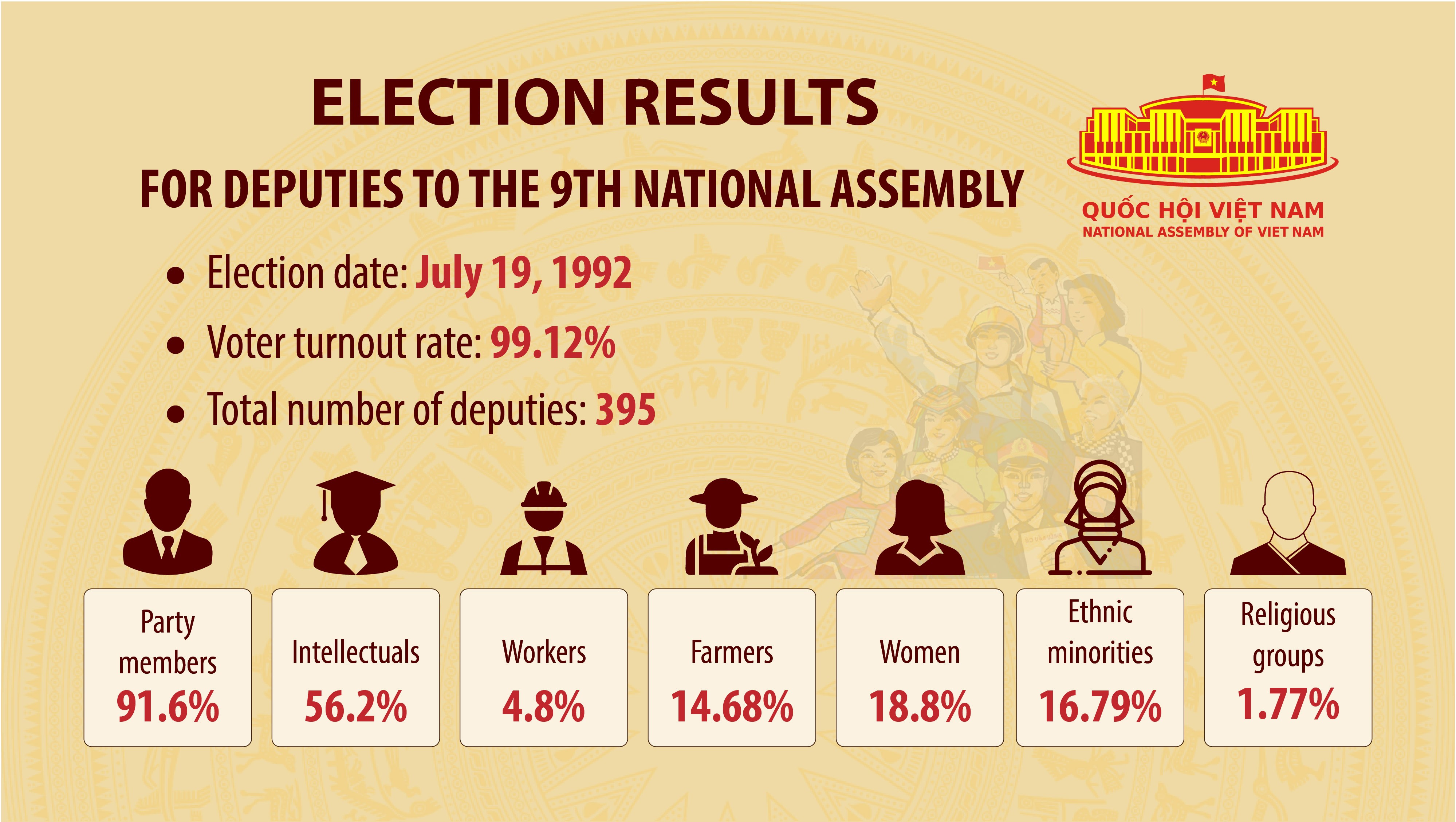
- Election date: July 19, 1992
- Rate of turnout: 99.12%
- Number of elected deputies: 333
- Structure of National Assembly:
+ Workers: 4.8%
+ Farmers: 14.68%
+ Party members: 91.64%
+ Graduates and post-graduates: 56.2%
+ Ethnic minority people: 16.70%
+ Women: 18.48%
On July 19, 1992, in the atmosphere of a large festival, nearly 37.2 million voters across the country went to the polls to elect 395 deputies out of a total of 601 candidates to the highest state power organ of the country. The election of the ninth National Assembly was a great success. The composition of the 395 elected deputies reflected the great national unity bloc, representing the will and aspirations of the people nationwide. It was the result of a wise and democratic choice by the electorate.
* First session in Hanoi from September 19 to October 8, 1992
- The National Assembly elected:
+ State President: Le Duc Anh
+ Vice State President: Nguyen Thi Binh
+ The NA Standing Committee with 13 members
+ NA Chairman: Nong Duc Manh
+ Prime Minister: Vo Van Kiet
+ Chief Justice of the Supreme People’s Court of Vietnam: Pham Hung
+ Prosecutor General of the Supreme People’s Procuracy of Vietnam: Le Thanh Dao
+ Council for Ethnic Affairs and Committees of the NA: Committee on Law, Committee on Economy and Budget; Committee on National Defence and Security; Committee for Culture, Education, Youth, Adolescents and Children; Committee for Social Affairs; Committee for Science-Technology and Environment; and Committee for External Relations.
+Head of the NA Secretariat: Vu Mao
The 9th National Assembly lasted for five years, from 1992 to 1997, with 11 sessions
The 9th National Assembly (1992–1997) was elected by voters nationwide on July 19, 1992. Over its five-year term, the 9th National Assembly played an important role in institutionalising the Platform for National Construction in the Period of Transition to Socialism and the Strategy for Socio-economic Stabilisation and Development to 2000, as set forth by the 7th National Party Congress. The activities of the 9th National Assembly contributed to promoting a profound and comprehensive renewal process, enhancing the role of the highest organ of state power, building and perfecting the Socialist Republic of Vietnam as a state truly of the People, by the People, and for the People.
GRADUALLY BUILDING COMPLETE AND COMPREHENSIVE LEGAL SYSTEM
The 9th National Assembly devoted significant time and intellectual efforts to legislative work, institutionalising the Platform for National Construction in the Period of Transition to Socialism, and the Party’s Strategy for Socio-Economic Stabilisation and Development to 2000, in accordance with the 1992 Constitution and the Resolution of the seventh National Party Congress. Over the course of 11 sessions, the National Assembly passed 36 laws and codes, and 43 ordinances, covering areas such as socio-economic affairs, national defence and security, and the organisation of administrations at all levels. The National Assembly focused on adopting essential legal documents to reform the economic management mechanism, establish a consistent policy system, and create a stable and favourable environment for the development of economic sectors.
DECIDING ON SOCIO-ECONOMIC DEVELOPMENT PLANS
During the 9th term, the National Assembly regularly reviewed and made decisions on socio-economic development, national defence and security tasks, and the state budget. The National Assembly passed resolutions on economic development tasks and state budget estimates and approved the annual state budget final settlement.
On November 12, 1996, at the 10th session, the 9th National Assembly adopted a Resolution on the Five-Year Plan for 1996-2000. This marked the first time after 10 years of implementing the Doi Moi (Renewal) policy that the National Assembly issued a resolution outlining long-term tasks and plans, reflecting the legislature’s sense of responsibility in shaping the country's development orientation. The general objectives for the 1996-2000 period clearly defined in the Resolution were to mobilise all resources, seize opportunities, overcome challenges, comprehensively and synchronously accelerate the renewal process, continue developing a multi-sectoral economy operating under a socialist-oriented market mechanism with State management, and strive to meet and surpass the goals set forth in the Strategy for Socio-Economic Stabilisation and Development to 2000.
STRENGTHENING SUPERVISION ACTIVITIES ACROSS SECTORS
The 9th National Assembly operated during a period when the country was entering a new stage of development, following the promulgation of the 1992 Constitution, which laid a solid legal foundation for advancing comprehensive reform. During this term, the National Assembly’s supervision activities were further strengthened, focusing on key issues such as the enforcement of laws, economic management, the state budget, administrative reform, and improving the effectiveness of state agencies. Question-and-answer sessions at the National Assembly were renovated, reflecting the spirit of democracy, transparency, and accountability to the people. Through its supervisory role, the National Assembly contributed to ensuring the strictness of the law, promoting socio-economic development, and reinforcing public trust in the highest organ of state power during a crucial stage of national development.
IMPLEMENTING FOREIGN AFFAIRS UNDER THE GUIDELINE OF “DIVERSIFICATION AND MULTILATERALISATION”
The 9th National Assembly proactively and actively carried out foreign affairs in various directions. It effectively implemented an open foreign policy, pursuing diversification and multilateralisation of international relations under the guideline: “Vietnam wants to be a friend to all countries in the international community, striving for peace, independence, and development.” The country gradually improved relations with neighbouring nations and many others, contributing to creating favourable international conditions for the cause of national construction and defence, thereby enhancing its reputation and position on the international stage.
October 2, 1992
Law on Organisation of the Government of the Socialist Republic of Vietnam
October 10, 1992
+ Law on Organisation of the People’s Courts
+ Law on Organisation of the People’s Procuracies
January 2, 1993
+ Law on Amendments and Supplements to certain articles of the Penal Code
+ Law on Amendments and Supplements to certain articles of the Criminal Procedures Code.
+ Law on Amendments and Supplements to certain articles of the Law on Foreign Investment in Vietnam.
July 19, 1993
+ Law on Oil and Gas
+ Law on Amendments and Supplements to certain articles of the Law on Revenue Tax
+ Law on Amendments and Supplements to certain articles of the Law on Tax of Benefits
+ Law on Amendments and Supplements to certain articles of the Law on Special Consumption Tax
+ Law on Amendments and Supplements to certain articles of the Law on Import, Export taxes
+ Law on Publication
July 24, 1993
+ Land Law
+ Law on Agricultural Land Use Tax
July 5, 1994
+ Labour Code of the Socialist Republic of Vietnam
+ Law on Election of Deputies to People’s Councils
+ Law on Promotion of Domestic Investment
+ Law on Amendments to certain articles of the Law on Enterprises
+ Law on Amendments to certain articles of the Law on Private Enterprises
+ Law on Amendments and Supplements to certain articles of the Law on Military Obligation
+ Law on Organisation of People’s Councils and People’s Committees
+ Law on land use right transfer tax
January 10, 1994
+ Law on Environmental Protection
+ Law on Enterprise Bankruptcy
+ Law on Amendments and Supplements to certain articles of the Law on Organisation of People’s Courts
April 30, 1995
+ Law on State-owned Enterprises
+ Law on Amendments and Supplements to certain articles of the Law on Civil Aviation of Vietnam
November 9, 1995
+ Civil Code of the Socialist Republic of Vietnam
+ Law on Amendments and Supplements to certain articles of the Law on Organisation of the People’s Courts
+ Law on Amendments and Supplements to certain articles of the Law on Revenue Tax
+ Law on Amendments and Supplements to certain articles of the Law on Special Consumption Tax
April 3, 1996
+ Law on Cooperatives
+ Law on Mineral Resources
+ Law on State Budget
April 17, 1997
Law on Election of Deputies to the National Assembly
May 22, 1997
+ Law on Amendments and Supplements to some articles of the Penal Code
+ Law on Value Added Tax
+ Law on Corporate Income Tax
May 23, 1997
Law on Commerce
August 10, 1992
Ordinance on property tax
February 15, 1993
+ Ordinance on plant protection and quarantine
+ Ordinance on veterinary medicines
March 20, 1993
+ Ordinance on flood prevention and control
+ Ordinance on execution of imprisonment
April 26, 1993
+ Ordinance on recognition and enforcement of civil judgements and decisions of foreign courts in Vietnam
+ Ordinance on organisation of Military Courts
+ Ordinance on organisation of Military Procuracies
+Ordinance on the Execution of Civil Judgements
May 26, 1993
+Ordinance on procurators of the People’s Procuracies
+Ordinance on judges and jurors of the People’s Courts
September 7, 1993
Ordinance on privileges and immunities for diplomatic missions, consular offices and representative agencies of international organisations in Vietnam
January 13, 1993
Ordinance on Private Medical and Pharmaceutical Practice
December 15, 1993
+ Ordinance on marriage and family relations between Vietnamese citizens and foreigners
+ Ordinance on representative offices of the Socialist Republic of Vietnam in foreign countries
June 3, 1994
+ Ordinance on protection of military works and zones
+Ordinance on amendments and supplements to certain articles of the Ordinance on Property Tax
+ Ordinance on Income Tax on high-income earners
March 29, 1994
+ Ordinance on procedures handling economic cases
+ Ordinance on Additional Tax for households using agricultural land in excess of the assigned quota
September 10, 1994
+ Ordinance on exploitation and protection of irrigational works
+ Ordinance on regulating the honourable State title of “Vietnamese heroic mother”
+ Ordinance on preferential treatment to people with meritorious service to the revolution, martyrs’ families, invalids, sick soldiers, and people assisting the revolution.
December 10, 1994
+ Ordinance on Copyright Protection
+ Ordinance on Protection of Transport Works
+ Ordinance on Exploitation and Protection of Hydrometeorological Works
October 25, 1994
+ Ordinance on the Rights and Obligations of Domestic Organisations with State-assigned or leased Land
+ Ordinance of the Rights and Obligations of Foreign Organisations with State-assigned or leased Land
July 19, 1995
Ordinance on amendments to Article 6 of the Ordinance on the Public Security Forces
July 10, 1995
Ordinance on settlement of administrative violations
September 27, 1995
Ordinance on Recognition and Enforcement of Foreign Arbitral Awards in Vietnam
June 12, 1995
+ Ordinance on HIV/AIDS prevention and control
+ Ordinance on Diplomatic Ranks and Grades
January 22, 1996
Ordinance on Militia and Self-defence Forces
February 24, 1996
Ordinance on NA Standing Committee’s Supervision and Instruction, and Government’s guidance and examination for the People’s Councils
April 20, 1996
Ordinance on Procedures Settling Labour Disputes
June 3, 1996
Ordinance on Procedures Handling Administrative Cases
July 3, 1996
+ Ordinance on Specific Missions and Obligations of the People’s Councils and People’s Committees at different levels
+ Ordinance on radiation safety and control
February 18, 1997
Ordinance on amendments to certain articles of the Ordinance on Income Tax for High-income Earners
April 7, 1997
Ordinance on Border Guards
September 22, 1992
Resolution ratifying the Consular Agreement between Vietnam and Iraq
June 23, 1994
Resolution ratifying the 1982 UN Convention on the Law of the Sea
November 15, 1994
Decision ratifying the agreement between the Socialist Republic of Vietnam and the Republic of Hungary on double taxation avoidance and the prevention of evasion of income taxes
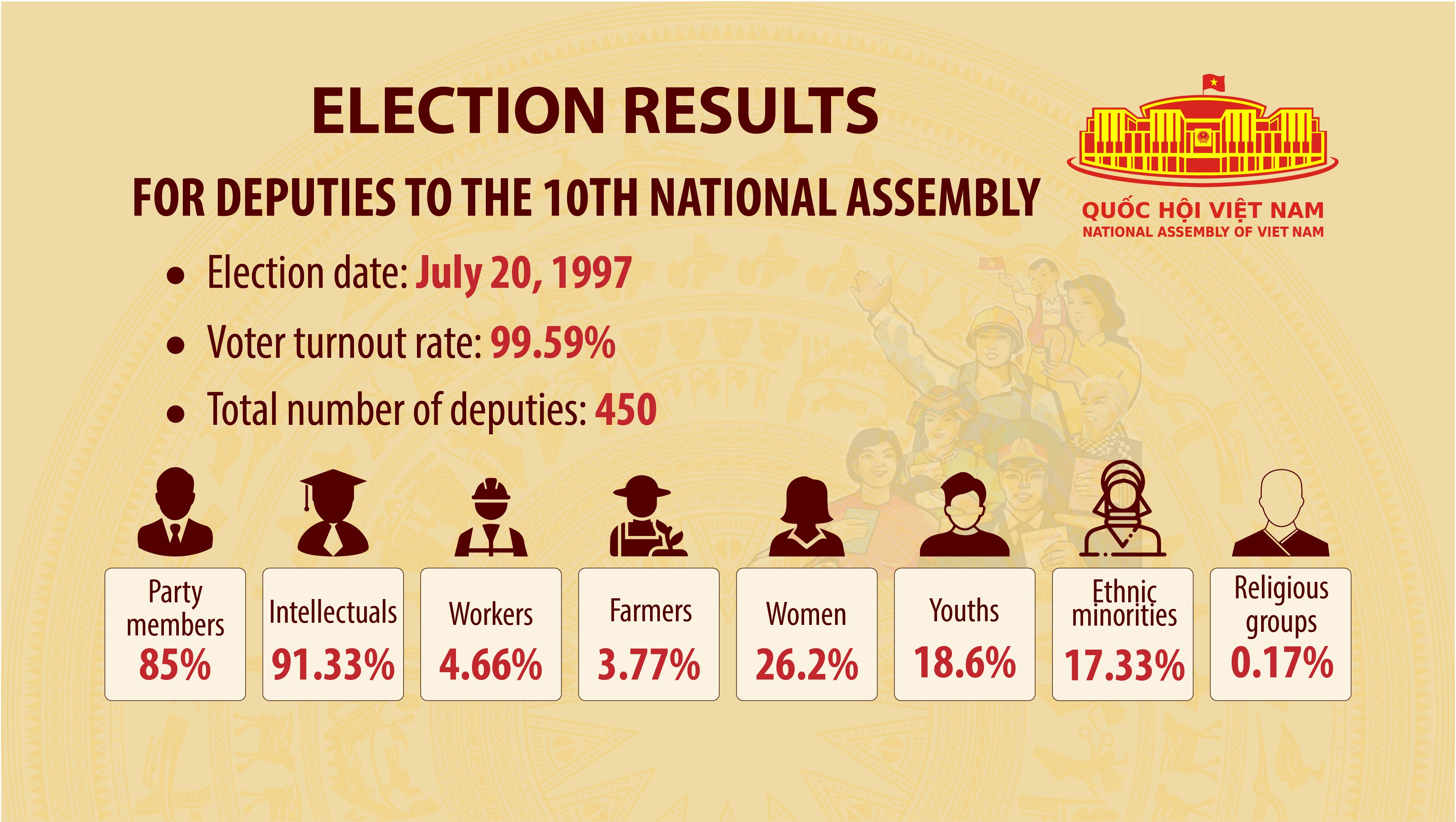
- Election date: July 20, 1997
- Rate of turnout: 99.59%
- Total elected deputies: 450
- Structure of National Assembly:
+ Workers: 4.66%
+ Farmers: 3.77%
+ Party members: 85%
+ Graduates and post-graduates: 91.33%
+ Ethnic minority people: 17.33%
+ Women: 26.2%
The 10th National Assembly was elected on July 20, 1997, with a voter turnout of 99.59%. A total of 450 deputies were elected, representing people from all walks of life. Female deputies accounted for 26.2%, young deputies under the age of 40 made up 18.6%, and non-Party members represented 15%. The success of the 10th National Assembly election reflected the people's patriotism, strong bonds with, and confidence in the Party, the State, and the political system.
* First session in Hanoi from September 18-29, 1997
- National Assembly elected:
+ State President: Tran Duc Luong
+ Vice President: Nguyen Thi Binh
+ National Assembly Standing Committee: 14 members
+ National Assembly Chairman: Nong Duc Manh (until June 2001), Nguyen Van An (from June 2001)
+ Prime Minister: Phan Van Khai
+ Chief Justice of the Supreme People’s Court: Trinh Hong Duong
+ Prosecutor General of the Supreme People’s Procuracy: Ha Manh Tri
+ Council of Ethnic Affairs and committees of the National Assembly: Committee on Legal Affairs; Committee on Economic and Budgetary Affairs; Committee on Defence and Security; Committee on Culture, Youth, Adolescents and Children’s Education; Committee on Social Affairs; Committee on Science, Technology and Environment; and Committee on External Relations.
+ Head of Secretariat: Vu Mao
* At the seventh session (from May 9 to June 9, 2000), the National Assembly ratified the Land Border Delimitation Treaty between Vietnam and China.
* At the ninth session (from May 22 to June 19, 2001), the National Assembly elected Nguyen Van An as National Assembly Chairman.
The 10th National Assembly ran for five years from 1997 to 2002 with 11 sessions.
Building upon and promoting the achievements and experience of previous terms, the 10th National Assembly continued to innovate its operations, achieving notable and commendable progress, particularly in fulfilling its core functions and duties: legislative work, supervision activities, making decisions on the country’s important issues, and foreign affairs. These efforts made a significant contribution to the successful implementation of the Resolutions of the eighth and ninth National Party Congresses regarding the tasks of the renewal period and the promotion of national industrialisation and modernisation.
LEGISLATIVE ACTIVITIES MEETING PRACTICAL REQUIREMENTS
During its five-year term, the 10th National Assembly continued to innovate and improve the quality of legislative work. At the 10th session, the National Assembly issued a Resolution on amending and supplementing a number of articles of the 1992 Constitution. During its tenure, the 10th National Assembly passed 35 laws and codes, 44 ordinances, and 29 resolutions, creating an important legal basis for continuing to reform the state apparatus, innovate the political system, improve the effectiveness of state management, promote democracy, and build a socialist rule-of-law State of the people, by the people, and for the people.
SUCCESSFULLY COMPLETING THE FIVE-YEAR PLAN FOR 1996 – 2000
Implementing the five-year plan for the 1996 - 2000 period approved by the National Assembly, the gross domestic product (GDP) increased by an average of 7% per year; the value of agriculture, forestry and fishery; industry, and service sectors rose by 5.6%; 13.5% and 6.8% per year, respectively. The economic structure shifted in a positive direction. By 2000, Vietnam had trade relations with more than 150 countries and territories. The country’s export turnover increased six times compared to 1991, three times faster than the GDP growth rate. In the 10-year period, the total export turnover reached 67.3 billion USD, up 18.2% per year. Nearly 70 countries and territories invested in Vietnam with foreign direct investment (FDI) reaching about 15 billion USD. The disbursed official development assistance (ODA) capital reached over 6 billion USD.
DECIDING ON IMPORTANT ISSUES OF THE COUNTRY
The 10th National Assembly focused on and took the initiative in considering and deciding on important issues of the country, creating a basis for managing and boosting socio-economic development, maintaining political stability; deciding on socio-economic development plans; national target programmes; organising the apparatus and personnel of State agencies; ratifying international treaties; and issues rerelated to security and defence... The 10th National Assembly carefully considered and decided to pass a Resolution on investment policy of Son La hydropower plant project at the ninth session (June 2001). This was a major and complex project, aming to meet the requirements of building infrastructure to step up industrialisation and modernisation in the new period.
STRENGTHENING SUPERVISION IN SOCIO-ECONOMIC AREAS
During the tenure of the 10th National Assembly, supervision activities continued to be promoted, making an important contribution to improving the effectiveness and efficiency of state management in the period of accelerated industrialisation and modernisation of the country. The National Assembly focused on supervising the implementation of legal policies in key areas such as economy, finance, budget, education, health, anti-corruption and administrative reform. Question-and-answer sessions at the National Assembly’s sessions were conducted in a democratic and straightforward manner, becoming an effective supervisory channel, clearly demonstrating the role and responsibility of deputies before voters. The supervision activities of the 10th National Assembly were gradually institutionalised, creating an important foundation for improving the quality of management and administration of the Government and state agencies, meeting the requirements of national development in the new period.
PROMOTING EXTERNAL ACTIVITIES
During the 1997-2002 tenure, the National Assembly's external activities were proactively deployed in many areas to consolidate and develop relations with other countries, especially neighbouring nations and Southeast Asian states. At the same time, the 10th National Assembly also strengthened activities to improve the effectiveness of foreign affairs in multilateral parliamentary forums such as the ASEAN Inter-Parliamentary Organisation (AIPO), the Inter-Parliamentary Union (IPU), and the Francophone Parliamentary Union (APF).
January 7, 2002
Resolution No 51/2001/QH10 dated December 25, 2001 on amendments and supplements to certain articles of the Constitution of the Socialist Republic of Vietnam.
December 26, 1997
+ Law on State Bank of Vietnam
+ Law on Credit Institutions
June 1, 1998
+ Law on Promotion of Domestic Investment (revised)
+ Law on amendments and supplements to certain articles of the Law on Export and Import Duties
+ Law on Special Consumption Tax
+ Law on amendments and supplements to certain articles of the Law on State Budget
+ Law on Vietnamese Nationality
+ Law on Water Resources
December 11, 1998
+ Law on Complaints, Denunciations
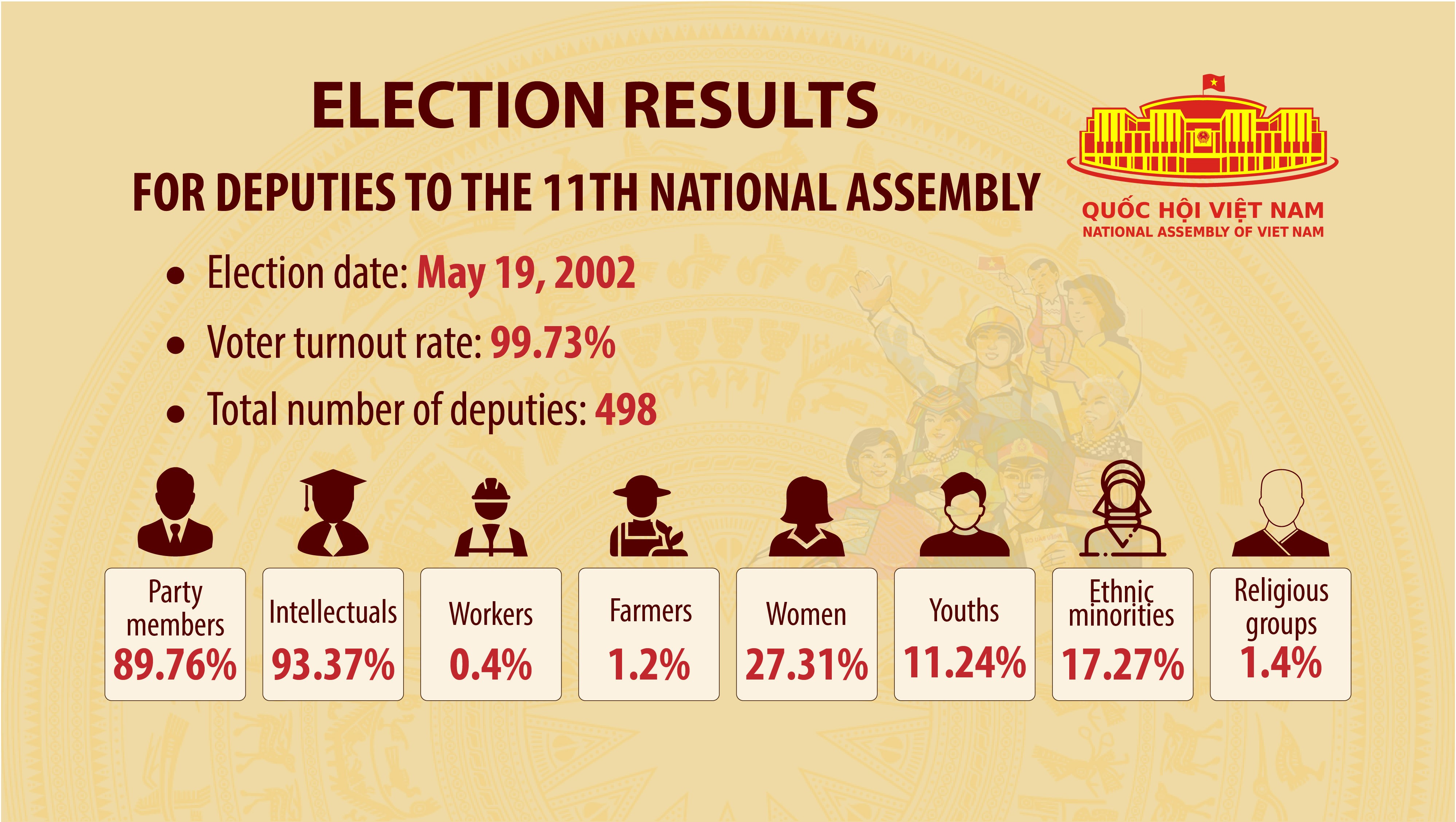
- Election date: May 19, 2002
- Voting rate: 99.73% (49,768,515 voters)
- Number of elected deputies: 498
- Structure of National Assembly:
+ In businesses: 5.02%
+ Farmers: 1.20%
+ In armed forces: 11.04%
+ Workers: 0.40%
+ Self-nominated deputies: 0.40%
+ Full-time deputies: 23.69%
+ Party members: 89.75%
+ Non-partisans: 10.25%
+ Ethnic minority people: 17.26%
+ Women: 27.30%
+ Religious followers: 1.40%
On May 19, 2002, nearly 50 million voters nationwide enthusiastically went to the polls to elect 498 deputies to the 11th National Assembly, with a voter turnout rate of 99.73%. The election of deputies to the 11th National Assembly was a great success, ensuring democracy, legality, safety and economy. The success of the election of deputies to the 11th National Assembly demonstrated the political awareness, civic responsibility, intellectual level, and people's trust in the leadership of the Party and the victory of the cause of renewal, industrialisation, modernisation, building and perfecting the socialist rule-of-law State.
* First session from July 19 - August 12, 2002, the National Assembly elected:
- State President: Tran Duc Luong
- Vice State President: Truong Thi My Hoa
- NA Standing Committee: 13 members
- NA Chairman: Nguyen Van An
- Prime Minister: Phan Van Khai
- Chief Justice of the Supreme People’s Court: Nguyen Van Hien
- Procurator General of the Supreme People’s Procuracy: Ha Manh Tri
- Council for Ethnic Affairs and Committees of the National Assembly: Committee on Legal Affairs; Committee on Economy and Budget; Committee for Defence and Security; Committee for Culture, Education, Youth, Adolescents and Children; Committee for Social Affairs; Committee for Science, Technology and Environment; Committee for External Affairs.
- National Assembly Secretariat: 11 members, headed by Bui Ngoc Thanh
- On March 17, 2003, the NA Standing Committee issued a Resolution to establish three agencies: the Committee on Legislature, the Committee for Deputy Affairs, and the Committee for People’s Aspirations, under the NA Standing Committee.
* 9th session from May 16 to June 29, 2006, the National Assembly elected:
- NA Chairman: Nguyen Phu Trong
- State President: Nguyen Minh Triet
- Prime Minister: Nguyen Tan Dung
- State Auditor General: Vuong Dinh Hue
* 10th session from October 17 - November 29, 2006, the National Assembly ratified Vietnam’s membership of the World Trade Organisation (WTO).
* 11th session - Final session of the 11th National Assembly from March 20 - April 2, 2007
The National Assembly considered, discussed and approved the Law on amending and supplementing a number of Articles in the Law on the Organisation of the National Assembly in order to create the conditions for the 12th National Assembly to continue renovating its organisation and improving the quality and efficiency of its operation.
Accordingly, the National Assembly agreed on the establishment of the Committee on Laws and the Committee of Justice of the National Assembly on the basis of the Committee of Legal Affairs; and the Committee on Economy and the Committee on Finance of the National Assembly on the basis of the Committee on Economy and Budget.
The 11th National Assembly lasted from 2002 to 2007, with 11 sessions.
The 11th National Assembly (2002-2007) operated in a context where, in addition to the basic achievements brought about by the “Doi moi” (renewal) process, the country also faced many difficulties and challenges. The National Assembly continued to institutionalise the Party's Platform and Strategy; concretise the guidelines and policies set forth by the eighth National Party Congress (1996) and the ninth National Party Congress (2001), ushering the country into a period of accelerated industrialisation and modernisation. The National Assembly's legislative activities recorded major breakthroughs; its supervisory activities continued to be promoted, with many positive changes; while the quality, efficiency and effectiveness were improved, creating a legal basis for innovation and national development.
The National Assembly considered and decided on many important issues of the country, including the decision on the construction plan of the Son La hydroelectric plant, a large project that directly affects the industrialisation and modernisation process of the country and the lives of the people.
INNOVATING LEGISLATIVE ACTIVITIES TO MEET THE REQUIREMENTS OF ACCELERATING NATIONAL INDUSTRIALISATION AND MODERNISATION
The legislative activities of the 11th National Assembly made great strides, particularly after the National Assembly promulgated the Law on amendments and supplements to a number of articles of the Law on promulgation of legal documents, with important renovations and positive changes in the legislative process and the law-making work of the National Assembly. The National Assembly considered and passed 84 laws and codes, along with 16 resolutions containing legal norms; the National Asseembly Standing Committee examined and approved 35 ordinances, marking a new milestone for the National Assembly, its affiliated bodies, and relevant agencies in the law-making process.
DECIDING ON IMPORTANT ISSUES OF THE COUNTRY
During the 11th tenure, the National Assembly decided on the country’s five-year and annual socio-economic development plans, the state budget, high-ranking State personnel; and policies for investment in key national projects and works. The exercise of its function to decide on the country’s important issues achieved certain results, laying a foundation for socio-economic management and governance, maintaining political stability, enhancing international integration, and contributing to the successful implementation of the five-year socio-economic development plan in the 2001 – 2005 period and the ten-year socio-economic development strategy in the 2001 – 2010 period.
IMPLEMENTING SUPERVISORY FUNCTIONS IN SOCIO-ECONOMIC FIELDS
The supervision activities of the 11th National Assembly were closely directed by the National Assembly Standing Committee. The National Assembly's supervision delegations spent most of their time conducting field surveys at localities, production facilities, enterprises, etc. to collect information and examine pressing issues in order to promptly coordinate with Government agencies to discuss solutions. Thereby, the effectiveness of the National Assembly's supervision activities became increasingly practical and effective.
ACTIVITIES OF FULL-TIME NATIONAL ASSEMBLY DEPUTIES
According to the provisions of the Law on Organisation of the National Assembly (amended in 2001), the proportion of full-time deputies is at least 25% of the total number of National Assembly deputies. Increasing the proportion of full-time National Assembly deputies is aimed at increasing professionalism and efficiency in the activities of the National Assembly.
CONTINUING TO INNOVATE THE NATIONAL ASSEMBLY’S ACTIVITIES
Under operating regulations adopted at the fifth session of the 11th National Assembly, the National Assembly Standing Committee coordinated with the Central Committee of the Vietnam Fatherland Front to collect voters’ opinions submitted by National Assembly deputies, delegations of National Assembly deputies, and Vietnam Fatherland Front Committees at all levels, and its member organisations, for reporting to the National Assembly.
EXTERNAL ACTIVITIES OF THE NATIONAL ASSEMBLY
Bilateral external activities of the 11th National Assembly focused on strengthening ties with parliaments of Southeast and Northeast Asian nations, while boosting relations with the United States, the European Parliament, and parliaments of various EU countries. Traditional relations with parliaments of Central and Eastern European countries were also reinforced, alongside expanding ties with parliaments of Africa, Central and South American nations.
Regarding multilateral relations, the 11th National Assembly actively contributed to activities of inter-parliamentary forums of which the Vietnamese National Assembly is a member, proactively proposing initiatives and making recommendations to promote effective cooperation. The 11th National Assembly hosted many important conferences.
January 1, 2003
Ordinance on Amendments to Articles 22 and 23 of the Ordinance on Preferential Treatment for those who were engaged in revolutionary activities, martyrs and their next of kin, wounded and diseased soldiers, resistance war activists, and people assisting the revolution
May 1, 2003
Ordinance on Population
June 1, 2003
Ordinance on Private Medical and Pharmaceutical Practice
November 1, 2003
Ordinance on Food Safety
September 1, 2004
Ordinance on National Reserves
October 1, 2004
Ordinance on Veterinary Medicine
January 1, 2005
Ordinance on Militia and Self-Defence Forces
October 1
Ordinance on Anti-dumping of Imports into Vietnam
November 15, 2004
Ordinance on Beliefs, Religions
January 1, 2005
Ordinance on Measures against Subsidised Imports into Vietnam
August 30, 2004
Ordinance on Organisation of Criminal Investigation Bodies
January 1, 2005
Ordinance on Judicial Expertise
January 1, 2006
Ordinance on War Veterans
January 1, 2007
Ordinance on amendments to Article 9 of the Ordinance on Organisation of Criminal Investigation Bodies
March 21, 2007
Ordinance on amendments and supplements to certain articles of the Ordinance on Handling Administrative Cases
April 18, 2007
Ordinance on Protection of Objects of Importance to Ensure National Security
International accords, treaties and conventions ratified
June 24, 2004
Issuing Resolution No 28/2004/QH11 on the ratification of the “Agreement between the Socialist Republic of Vietnam and the People’s Republic of China on the Delimitation of the Territorial Sea, the Exclusive Economic Zone, and the Continental Shelf in the Gulf of Tonkin”
November 29, 2006
Issuing Resolution No 71/2006/NQ-QH11 on the ratification of the Protocol on Joining the WTO Establishment Agreement of the Socialist Republic of Vietnam
November 29, 2005
Approving Resolution No 52/2005/QH11 on the ratification of the “Supplementary Treaty to the Treaty between the Socialist Republic of Vietnam and the Kingdom of Cambodia on the Delimitation of the National Boundary in 1985”.
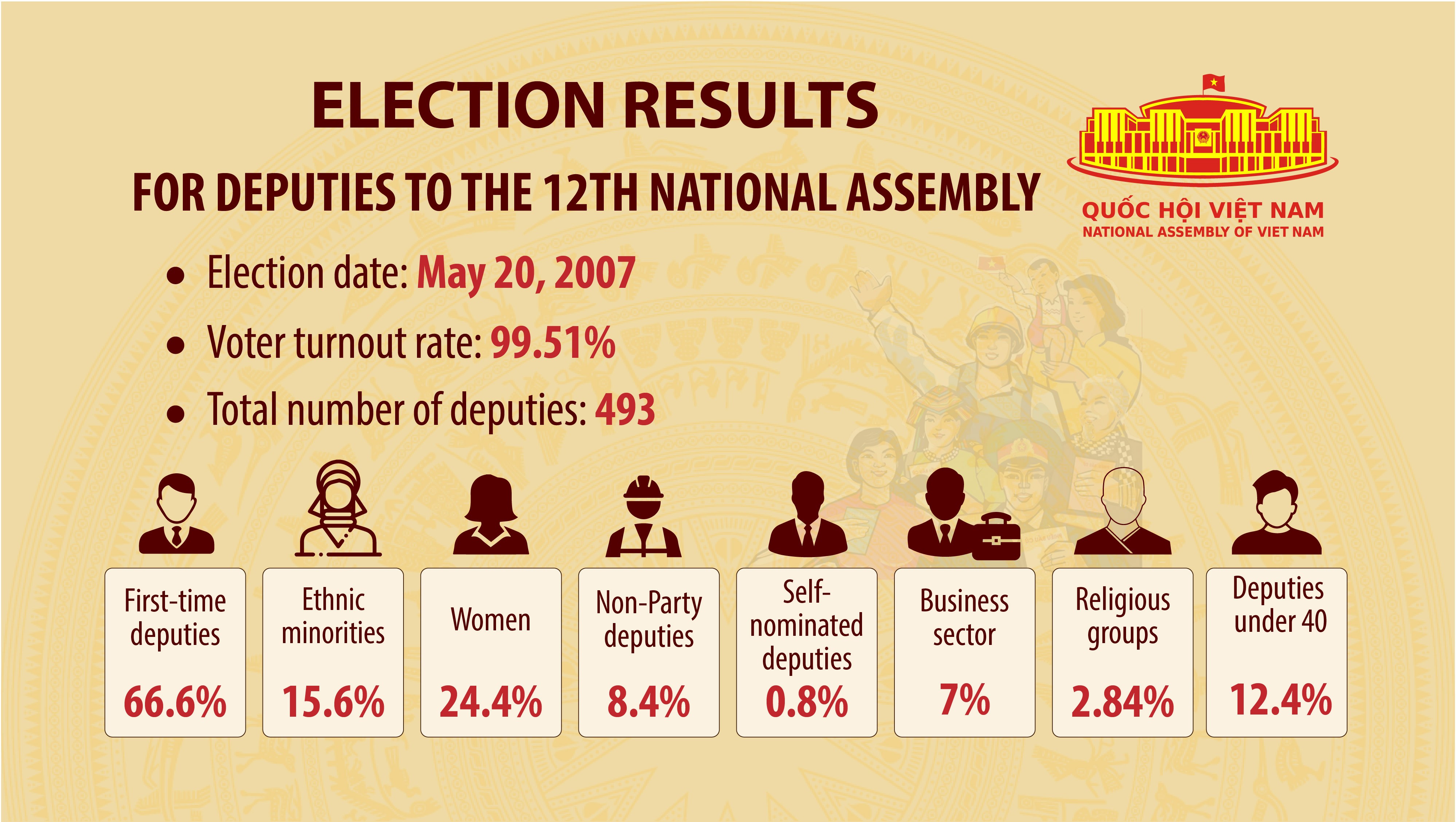
- Election date: May 20, 2007
- Rate of turnout: 99.64% (56,252,543 voters)
- Total elected deputies: 493
- Structure of National Assembly:
+ Self-nominated deputies: 0.2%
+ Full-time deputies: 27.99%
+ Non-partisans: 8.7%
+ Ethnic Minority People: 17.6%
+ Women: 25.8%
+ Religious Followers: 0.8%
The election of the 12th National Assembly was held in an atmosphere of excitement and confidence on May 20, 2007. Voters elected 493 deputies from a total of 876 candidates. The success of the election underscored the determination of the entire Party, people, and army to build a socialist rule-of-law State of the people, by the people, and for the people; affirmed the people’s right to mastery; and embodied the great national unity bloc.
* First session from July 19 to August 4, 2007: the National Assembly elected:
- State President: Nguyen Minh Triet
- Vice State President: Nguyen Thi Doan
- National Assembly Standing Committee with 18 members
- National Assembly Chairman: Nguyen Phu Trong, elected by the National Assembly on July 23, 2007
- Prime Minister: Nguyen Tan Dung
- Chief Justice of the Supreme People’s Court: Truong Hoa Binh
- Prosecutor General of the Supreme People’s Procuracy: Tran Quoc Vuong
- Council of Ethnic Affairs and Committees of the National Assembly: Committee on Legal Affairs; Committee on Judicial Affairs; Committee on Economic Affairs; Committee on Financial and Budgetary Affairs; Committee on Defence and Security; Committee for Culture, Education, Youth, Adolescents, and Children; Committee on Social Affairs; Committee on Science, Technology and Environment; and Committee for External Relations
- The session’s secretary with 13 members, headed by Tran Dinh Dan
- Agencies of the National Assembly Standing Committee: Board of Deputies’ Affairs, Ombudsman Board, Institute for Legislative Studies
- The National Assembly passed a resolution on shortening the National Assembly’s 12th tenure by one year (2007-2011)
* Third session from May 6 to June 3, 2008: the National Assembly passed a resolution on adjusting the administrative boundaries of Hanoi and some related provinces. Accordingly, from August 1, 2008, the country has 63 administrative entities, consisting of five centrally-run cities and 58 provinces.
* Sixth session from October 24 to November 27, 2009: the National Assembly passed resolutions on investment in the Lai Chau hydropower and Ninh Thuan nuclear power projects.
The 12th National Assembly operated in the context that Vietnam’s comprehensive reform process, initiated and led by the Communist Party of Vietnam, had undergone for more than 20 years and achieved significant, historically meaningful accomplishments in both theory and practice, laying the foundation for accelerated industrialisation, modernisation, and international integration. The 12th National Assembly continued to reform its operations toward greater democracy, substance, and effectiveness, while advancing the development and consolidation of the legal system to lay the groundwork for Vietnam to basically become a modernity-oriented industrialised country by 2020.
CONTINUING TO INNOVATE THE NATIONAL ASSEMBLY’S AND LEGISLATIVE ACTIVITIES
The 12th National Assembly operated actively, increasingly promoting democracy, practicality and efficiency, with innovations in both thinking and practical actions. The National Assembly made significant reforms by gradually improving its organisational structure and working methods, increasing the number of full-time deputies; and better performing its legislative and supreme supervision functions, and its role in deciding on important issues of the nation.
DECIDING ON IMPORTANT ISSUES OF THE COUNTRY
During the 12th term, the National Assembly decided on 32 key issues, notably on socio-economic policies, state budget, and national projects; on state apparatus and its high-level personnel; on investment policies for Lai Chau hydropower plant and Ninh Thuan nuclear power project; on reductions and exemptions of agricultural land use taxes for farmers; and on adjustments to the administrative boundaries of Hanoi and several related provinces.
On May 29, 2008, during the third session, the 12th National Assembly passed Resolution No. 15/2008/QH12 on adjusting the administrative boundaries of Hanoi and several neighbouring provinces. Under this resolution, the expanded Hanoi now encompasses the original Hanoi area, the entire natural area of Ha Tay province (after transferring Tan Duc commune of Ba Vi district to Phu Tho province), Me Linh district (Vinh Phuc province), and four communes - Dong Xuan, Tien Xuan, Yen Binh, and Yen Trung - of Luong Son district (Hoa Binh province). With this adjustment, the expanded Hanoi covers nearly 3,358.6 km² and has over 6.2 million inhabitants, compared with the pre-expansion area of over 920 km² and roughly 3.5 million people. After the expansion, Hanoi comprises 12 urban districts, 17 rural districts, and 577 wards, communes, and towns.
STRENGTHENING SUPERVISION AND QUESTIONING ACTIVITIES TO MEET REQUIREMENTS AND TASKS IN THE NEW SITUATION
The 12th National Assembly reviewed 159 reports of various kinds (from the State President, the Government, the Supreme People’s Court, the Supreme People’s Procuracy, ministries, and agencies); and conducted supervisions on seven thematic areas, including “hot” topics such as the implementation of policies and laws on state-funded capital construction investment in ministries, agencies, and localities from 2005 to 2007. It also focused on issues that were both urgent and long-term, such as the enforcement of policies and laws on food safety and hygiene management, and the implementation of administrative procedure reforms in certain areas directly affecting people and businesses under the overall state administrative reform programme for the 2001–2010 period.
EXPANDING EXTERNAL ACTIVITIES
After 20 years of implementing the “Doi Moi” (Renewal) policy (1986–2006), the key task and new highlight in Vietnam’s foreign policy was to “develop established international relations in a deep, stable and sustainable manner,” while proactively and actively integrating into the world according to a roadmap consistent with the national development strategy by 2010, with a vision to 2020. During the 12th tenure, the Vietnamese National Assembly assumed the role of Chair of the ASEAN Inter-Parliamentary Assembly (AIPA) and successfully hosted the 31st AIPA General Assembly in Hanoi from September 20 - 24, 2010. Vietnam became a focal point connecting ASEAN member states to help them overcome difficulties and challenges, while also enhancing their standing on the international stage.
August 4, 2007
Law amending and supplementing certain articles of the Law on Anti-Corruption Fight
November 21, 2007
+ Law on domestic violence prevention and control
+ Law on communicable disease prevention and control
+ Law on personal income tax
+ Law on product and goods quality
+ Law on chemicals
+ Law on special amnesty
+ Law on mutual legal assistance
June 3, 2008
+ Law on management and use of State assets
+ Law amending and supplementing certain articles of the law on oil and gas
+ Law on Red Cross activities
+ Law amending and supplementing certain articles of the publication law
+ Law on value-added tax
+ Law on corporate income tax
+ Law on compulsory purchase and requisition of property
+ Law amending and supplementing certain articles of the law on drug prevention and control
+ Law on the issuance of legal documents
+ Law on atomic energy
+ Law amending and supplementing certain articles of the law on officers of the Vietnam People’s Army
November 13, 2008
+ Law on biodiversity
+ Law on high technology
+ Law on cadres and civil servants
+ Law on road transport
+ Law on Vietnamese nationality
+ Law on health insurance
+ Law on execution of civil judgments
+ Law on special consumption tax
June 17, 2009
+ Law on criminal records
+ Law on public debt management
+ Law on urban planning
June 18, 2009
+ Law amending and supplementing certain articles of the law on cinematography
+ Law amending and supplementing certain articles of the law on cultural heritage
+ Law on overseas representative missions of the Socialist Republic of Vietnam
+ Law amending and supplementing Article 126 of the housing law and Article 121 of the land law
+ Law on State compensation liability
June 19, 2009
+ Law amending and supplementing certain articles of the intellectual property law
+ Law amending and supplementing certain articles of the Penal Code
+ Law amending and supplementing certain articles of laws relevant to basic construction investment
November 23, 2009
+ Law on the elderly
+ Law on medical examination and treatment
+ Law on telecommunications
+ Law on radio frequencies
+ Law on militia and self-defence forces
November 25, 2009
+ Law amending and supplementing certain articles of the education law
+ Law on natural resources tax
June 16, 2010
+ Law on the State Bank of Vietnam
+ Law on credit institutions
June 17, 2010
+ Law on non-agricultural land use tax
+ Law on posts
+ Law on economical and efficient use of energy
+ Law on persons with disabilities
+ Law on adoption
+ Law on execution of criminal judgments
+ Law on commercial arbitration
+ Law on food safety
November 15, 2010
+ Law on inspection
+ Law on environmental protection tax
+ Law on public employees
November 17, 2010
+ Law on protection of consumers’ rights
+ Law on minerals
November 24, 2010
+ Law amending and supplementing certain articles of the law on insurance business
+ Law amending and supplementing certain articles of the securities law
+ Law amending and supplementing certain articles of the law on election of deputies to the National Assembly and the law on election of deputies to People’s Councils
+ Law on administrative procedures
March 29, 2011
+ Law amending and supplementing certain articles of the Civil Procedures Code
+ Law on human trafficking prevention and control
+ Law on independent audit
October 19, 2007
Ordinance amending and supplementing certain articles of the ordinance on execution of prison sentences
January 26, 2008
+ Ordinance on defence industry
+ Ordinance on the Coast Guard of Vietnam
April 2, 2008
Ordinance amending and supplementing certain articles of the ordinance on settlement of administrative violation cases
August 27, 2008
Ordinance on procedures for detention of sea vessels
November 21, 2008
Ordinance on the communal public security force
November 22, 2008
Ordinance amending and supplementing Article 6 of the ordinance on natural resources tax
December 27, 2008
Ordinance amending Article 10 of the ordinance on population
February 27, 2009
+ Ordinance amending and supplementing certain articles of the ordinance on organisation of criminal investigations
+ Ordinance on court costs and fees
March 16, 2010
Ordinance on procedures for detention of aircraft
February 19, 2011
+ Ordinance amending and supplementing certain articles of the ordinance on judges and jurors of People’s Courts
+ Ordinance amending and supplementing certain articles of the ordinance on procurators of the People’s Procuracies
June 30, 2011
Ordinance on management and use of weapons, explosives, and supporting tools
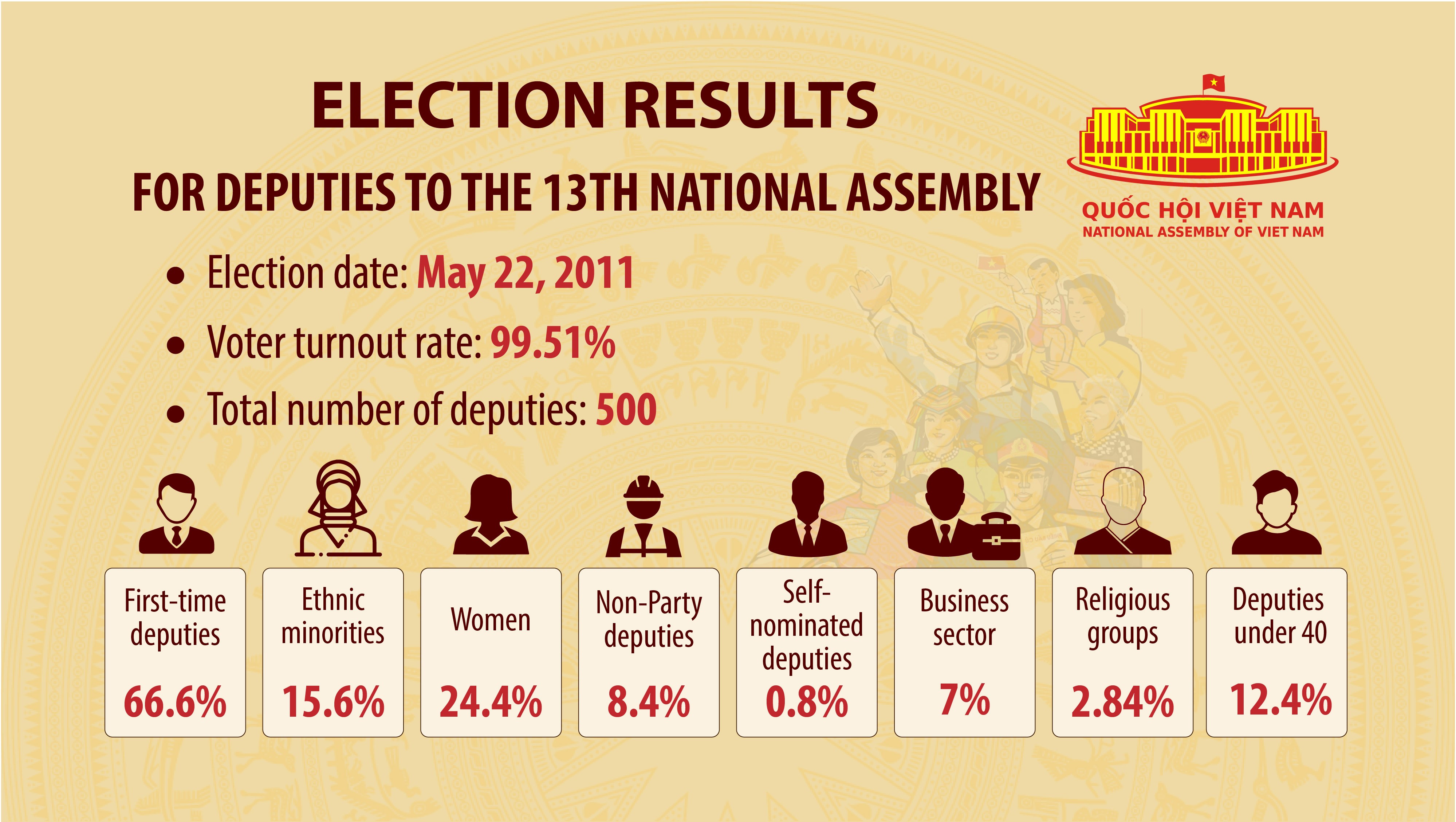
- Election date: May 22, 2011
- Rate of turnout: 99.51% (62,010,266)
- Number of elected deputies: 500
- Structure of National Assembly:
+ Full-time deputies: 31.3%
+ Part-time deputies: 68.7%
+ Re-elected deputies: 33.4%
+ Self-nominated deputies: 0.8%
+ Deputies nominated by Party Central Committee: 33.4%
+ Deputies living and working in localities: 66.6%
+ First-timers: 66.6%
+ Party members: 91.6%
+ Non-partisans: 8.4%
+ Post-graduates: 45.8%
+ Graduates: 52.4%
+ Ethnic minority people: 15.6%
+ Women: 24.4%
+ Under-40 deputies: 12.4%
On May 22, 2011, voters nationwide cast their votes to elect deputies to the 13th National Assembly and the People’s Councils at all levels for the 2011–2016 term, marking one of the country’s major political events in 2011. This was the first time that citizens voted simultaneously for people-elected agencies at four levels: National Assembly, provincial-level People’s Councils, district/township/city-level People’s Councils, and commune/ward/town-level People’s Councils, on the same day. The voter turnout reached 99.51%, and 500 National Assembly deputies were elected. The comprehensive and significant success of the elections reflected the patriotic spirit, the people’s trust in the renewal policies, confidence in the Party’s leadership, the State’s management and administration, affirming the people’s right to mastery, and highlighting national unity.
* First session in Hanoi from July 21 to August 6, 2011, the NA elected:
- President: Truong Tan Sang
- Vice President: Nguyen Thi Doan
- NA Standing Committee comprising 18 members
- NA Chairman: Nguyen Sinh Hung
- Prime Minister: Nguyen Tan Dung
- Chief Justice of the Supreme People’s Court: Truong Hoa Binh
- Procurator General of the Supreme People’s Procuracy: Nguyen Hoa Binh
- Council of Ethnic Affairs and committees of the NA: Committees on legal affairs; judicial affairs; economic affairs; finance-budget; national defence and security; culture, education, youth, adolescents, children; social affairs; science-technology and environment; and external affairs
- Secretariat: 13 members led by Nguyen Hanh Phuc
- Organs under NA Standing Committee: Committee on Deputies Work, Ombudsman Committee, Research Institute on Legislation
* Sixth session from October 21 to November 29, 2013: the NA passed the 2013 Constitution
* Ninth session from May 20 to June 26, 2015: The NA approved a Resolution on investment in Long Thanh International Airport.
* 11th session from March 21 to April 12, 2016, the NA elected:
+ NA Chairwoman Nguyen Thi Kim Ngan
+ President Tran Dai Quang
+ Prime Minister Nguyen Xuan Phuc
The 13th NA lasted five years (2011-2016) with 11 sessions.
As the country entered the second decade of the 21st century, the entire Party, army, and people implemented the Platform for National Construction during the Period of Transition to Socialism (supplemented and developed in 2011), the 10-year Socio-Economic Development Strategy for 2011–2020, and the 5-year national development goals and tasks for 2011–2015, creating the foundation for Vietnam to basically become a modernity-oriented industrialised country by 2020. To successfully realise the Resolution of the 11th National Party Congress, the heavy responsibility and crucial mission of the 13th National Assembly was to build and perfect the socialist rule-of-law state, considered a decisive factor in ensuring the successful implementation of the national construction and protection cause.
Throughout its 5-year tenure with 11 sessions, the 13th National Assembly demonstrated the highest sense of responsibility before the people and the nation, by adopting the 2013 Constitution, along with 101 laws and codes. This established a solid legal framework for the functioning of the entire society, gradually building a comprehensive legal system and creating a legal framework for shaping a socialist-oriented market economy.
DRAFTING AND ADOPTING THE 2013 CONSTITUTION
The greatest achievement in the legislative and constitutional activities of the 13th National Assembly was the adoption of the amendments of the 1992 Constitution. This Constitution embodies a profound spirit of reform, creating a solid legal framework for the functioning of all aspects of social life on the foundations of democracy and the rule of law, and generating strong momentum for accelerating the country’s industrialisation, modernisation, and international integration. The 2013 Constitution clearly reflects the spirit of upholding the people’s mastery, promoting socialist democracy, and ensuring that all state power belongs to the people.
PERFECTING THE LEGAL SYSTEM
The 13th National Assembly actively carried out legislative activities, promptly and fully institutionalised the Party’s guidelines and policies, and gradually built a comprehensive legal system, thereby creating a legal framework for the formation and completion of the socialist-oriented market economy. Throughout its tenure, the National Assembly passed 108 laws and codes. At the 10th session alone (October 20 – November 27, 2015), the National Assembly adopted 16 laws and codes.
DECIDING ON IMPORTANT ISSUES OF THE COUNTRY
In the early years of the 13th tenure, amidst difficult budgetary conditions, the National Assembly decided to reduce unnecessary and inefficient expenditures while allocating funds to ensure spending ratios for key sectors and fields. The National Assembly adopted a resolution to ease tax burdens on enterprises, discussed the plan on restructuring the economy, and decided on the 5-year socio-economic development plan for 2011–2015, as well as the government bond capital plan and the use of government bond capital for the 2012–2015 period.
IMPROVING THE EFFECTIVENESS OF SUPERVISION ACTIVITIES
The 13th National Assembly made great efforts to enhance the effectiveness and efficiency of its supervision work. Question-and-answer sessions at the National Assembly’s sittings were renewed in a more democratic, open, and responsible manner, with debates and dialogues. For the first time in history, the National Assembly conducted a vote of confidence on individuals holding positions elected or approved by the National Assembly. The process of taking votes of confidence was carried out democratically, openly, and transparently, enabling voters nationwide to follow and supervise.
EXPANDING EXTERNAL ACTIVITIES, CREATING A FAVOURABLE INTERNATIONAL ENVIRONMENT FOR NATIONAL DEVELOPMENT
The 13th National Assembly operated amid many intertwined opportunities and challenges, while the situation in the East Sea continued to witness complicated developments, significantly affecting the country’s socio-economic development process. The external activities of the 13th National Assembly focused on expanding international relations and parliamentary cooperation, creating a favourable international environment for national development, promoting Vietnam’s image, and enhancing the country’s position, contributing to the overall success in implementing the Party and State’s foreign policy, and maintaining a peaceful and stable environment for the cause of national protection, construction and development.
THE NATIONAL ASSEMBLY’S NEW HOUSE
The construction of the National Assembly House began on October 12, 2009, at the site of the former Ba Dinh Hall, located in front of Ba Dinh Square, within the ancient Thang Long Imperial Citadel’s area. The National Assembly House features a square architectural design, with a circular meeting hall at its centre, consisting of two basements and five floors, with a total floor area of more than 62,000 sq.m. It is equipped with modern technological solutions and advanced equipment.
The National Assembly House serves as the venue for sessions of the National Assembly, meetings of the National Assembly Standing Committee, important national celebrations, and receptions for high-ranking international guests of the Party and State.
November 11, 2011
+ Law on Archives
+ Law on Complaints
+ Law on Denunciations
+ Law on Measurement
November 26, 2011
Law on Cryptography
June 18, 2012
+ Law on Deposit Insurance
+ Law on Money Laundering Prevention and Control + Law on Tertiary Education
+ Law on Prevention and Control of Tobacco Harm
+ Labour Code
June 20, 2012
+ Law on Pricing
+ Law on Trade Unions
+ Law on Judicial Expertise
+ Law on Law Popularisation, Education
+ Law on Handling of Administrative Violations
June 21, 2012
+ Law on Advertising
+ Law on Water Resources
+ Law on the Seas of Vietnam
November 20, 2012
+ Publishing Law
+ Law on amendments and supplements to certain articles of the Law on Lawyers
+ Law on amendments and supplements to certain articles of the Law on Tax Management
+ Law on National Reserves
+ Law on Cooperatives
+ Law on amendments and supplements to certain articles of the Electricity Law
November 21, 2012
Law on Capital
November 22, 2012
Law on amendments and supplements to certain articles of the Law on Individual Income Tax
November 23, 2012
Law on amendments and supplements to certain articles of the Law on Corruption Prevention and Control
June 12, 2013
Law on Anti-terrorism
June 18, 2013
Law on Science and Technology
June 19, 2013
+ Law on National Defence and Security Education + Law on amendments and supplements to certain articles of the Law on Added Value Tax
+ Law on amendments and supplements to certain articles of the Law on Corporate Income Tax
+ Law on Disaster Prevention and Control
June 20, 2013
+ Law on Grassroots Conciliation
+ Law on amendments and supplements to certain articles of the Law on Residency
+ Law on amendments and supplements to Article 170 of the Corporate Law
November 16, 2013
+ Law on Employment
+ Law on amendments and supplements to certain articles of the Law on Emulation and Commendation
November 22, 2013
Law on amendments and supplements to certain articles of the Law on Fire Prevention and Fighting
November 25, 2013
+ Law on Plant Protection and Quarantine + Law on Citizen Reception
+ Law on Bidding
+ Law on Thrift Practice and Waste Combat
+ Land Law
+ Constitution
June 13, 2014
Law on amendments and supplements to certain articles of the Law on Health Insurance
June 16, 2014
Law on Entry, Exit, Transit and Residence of Foreigners in Vietnam
June 17, 2014
Law on amendments and supplements to certain articles of the Law on Inland Waterway Transport
June 18, 2014
+ Law on Public Investment
+ Law on Construction
June 19, 2014
+ Law on Bankruptcy
+ Law on Marriage and Family
June 20, 2014
Law on Notary
June 23, 2014
+ Law on Customs
+ Law on Environmental Protection
June 24, 2014
Law on amendments and supplements to certain articles of the Law on Vietnamese Nationality
November 20, 2014
+ Law on Organisation of the National Assembly
+ Law on Social Insurance
+ Law on Citizen Identification
+ Law on Civil Status
November 21, 2014
Law on amendments and supplements to certain articles of the Law on Civil Aviation of Vietnam
November 24, 2014
+ Law on Organisation of People’s Courts + Law on Organisation of People’s Procuracy
November 25, 2014
+ Law on amendments and supplements to certain articles of the Law on Enforcement of Civil Judgments
+ Law on Housing
+ Law on Real Estate Trading
November 26, 2014
+ Investment Law
+ Enterprise Law
+ Law on Management and Use of State Capital Invested in Production and Business at Enterprises
+ Law on amendments and supplements to certain articles of the Law on Special Consumption Tax
+ Law on amendments and supplements to certain articles in taxation laws.
November 27, 2014
+ Law on amendments and supplements to several articles of the Law on Vietnam People’s Army Officers
+ Law on People’s Public Security Forces
+ Law on amendments and supplements to certain articles of the Law on Vocational Training
June 9, 2015
Law on Vietnam Fatherland Front
June 19, 2015
+ Law on Organisation of the Government + Law on Organisation of Local Administrations
+ Law on Military Obligation
+ Law on Veterinary Medicine
June 22, 2015
Law on the Issuance of Legal Documents
June 24, 2015
Law on State Audit
June 25, 2015
+ Law on Marine and Island Resources and Environment
+ Law on State Budget
+ Law on Labour Safety, Hygiene
+ Law on Election of National Assembly and People’s Council Deputies
November 19, 2015
Law on Cyber Information Safety
November 20, 2015
+ Law on Supervisory Activities of the National Assembly and People’s Councils
+ Law on Accounting
November 23, 2015
+ Law on Statistics
+ Law on Hydrometeorology
November 24, 2015
+ Civil Code
November 25, 2015
+ Code of Civil Procedures
+ Law on Administrative Procedures
+ Law on Enforcement of Custody and Temporary Detention
+ Maritime Code
+ Law on Referendums
+ Law on Fees and Charges
November 26, 2015
+ Law on Professional Military Personnel, National Defence Workers and Officials
+ Law on Organisation of Criminal Investigation Agency
November 27, 2015
+ Criminal Code
+ Code of Criminal Procedure
March 22, 2012
Ordinance on the merger of legal documents
March 28, 2012
Ordinance on cost and price evaluation, expenses for witnesses and interpreters in proceedings
April 16, 2012
Ordinance on codifying legal system
July 16, 2012
Ordinance on amendments and supplements to certain articles of the Ordinance on incentives for ex-revolutionaries
October 20, 2012
Ordinance on amendments and supplements to certain articles of the Ordinance on the State distinction “Heroic Vietnamese Mother”
March 18, 2013
Ordinance on amendments, supplements to several articles of the Ordinance on Foreign Exchange
July 12, 2013
Ordinance on amendments and supplements to certain articles of the Ordinance on the Use and Management of Weapons, Explosives and Support Tools
December 23, 2013
Ordinance on mobile police
January 20, 2014
Ordinance on the order, procedures, and decisions on application of administrative measures at People’s Courts.
December 23, 2014
Ordinance on Environment Police
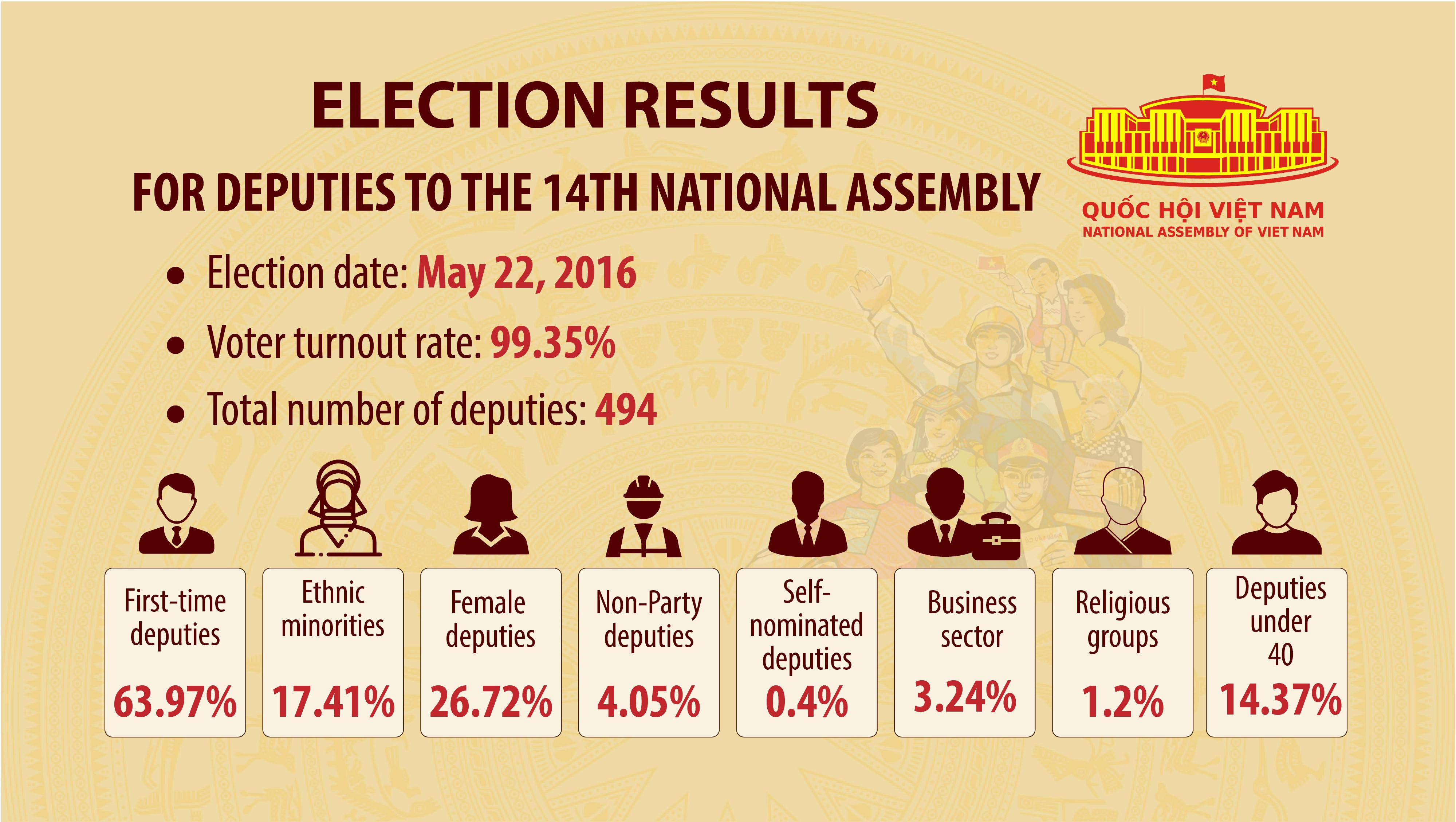
- Election date: May 22, 2016
- Rate of turnout: 99.35%
- Total elected deputies: 496 (as of June 20, 2020, the 14th National Assembly had 483 deputies)
- Structure of National Assembly:
+ Graduates and post-graduates: 98.79%
+ Ethnic minority people: 17.30%
+ Women: 26.80%
The election of deputies to the 14th National Assembly and People’s Councils at all levels for the 2016–2021 tenure took place on May 22, 2016. This was a major political event, attracting the participation of over 67 million voters nationwide, achieving a turnout rate of 99.35%. With the spirit of democracy, solidarity, and responsibility, the people wisely selected 496 delegates who were exemplary in quality, capacity and prestige. The success of the election continued to affirm the people's trust in the Party, the State and the socialist regime, contributing to the building of a rule-of-law State of the people, by the people and for the people.
* First session in Hanoi from July 20 - 29, 2016
- The National Assembly elected:
+ State President: Tran Dai Quang
+ Vice State President: Dang Thi Ngoc Thinh
+ National Assembly Standing Committee: 13 members
+ National Assembly Chairwoman: Nguyen Thi Kim Ngan
+ Prime Minister: Nguyen Xuan Phuc (removed from all Party positions from July 19, 2025)
+ Chief Justice of the Supreme People’s Court: Nguyen Hoa Binh
+ Prosecutor General of the Supreme People’s Procuracy: Le Minh Tri
+ Council of Ethnic Affairs and committees of the National Assembly: Committee on Legal Affairs; Committee on Defence and Security; Committee on Culture, Youth, Adolescents and Children’s Education; Committee on Social Affairs; Committee on Science, Technology and Environment; Committee on External Relations; Committee on Judicial Affairs; and Committee on Economic Affairs.
+ Secretary General: Nguyen Hanh Phuc
* Second session (from October 20 - November 23, 2016). The National Assembly passed the Law on Belief, the Law on Religion, and the Law on Property Auctions
* Fifth session (from May 21 - June 15, 2018). The National Assembly passed the Law on National Defence, the Law on Cyber Security, the Law on Denunciations, and the Law on Competition; while delaying the adoption of the draft law on special administrative-economic units.
* Sixth session (from October 22 - November 20, 2018). The NA:
+ Elected Nguyen Phu Trong as State President
+ Approved the appointment of Nguyen Manh Hung as Minister of Information and Communications (having removed Truong Minh Tuan from the position of Minister of Information and Communications on October 23, 2018)
+ Ratified the Comprehensive and Progressive Agreement for Trans-Pacific Partnership (CPTPP)
* The ninth session was held in two phases (due to the COVID-19 pandemic)
- The first phase took place from May 20 - May 29, 2020. The NA held the sitting via teleconference, connecting the NA delegations in the country’s 63 cities and provinces.
- During the second phase, from June 8 - June 19, 2020, NA deputies met face-to-face, ratifying the EU-Vietnam Free Trade Agreement (EVFTA).
* Eleventh session (from March 24 - April 8, 2021). NA deputies voted to officially dismiss the holders of the positions of NA Chairwoman, State President, Prime Minister, and cabinet members.
- The NA elected:
+ NA Chairman: Vuong Dinh Hue (removed from all Party positions from July 19, 2025)
+ State President: Nguyen Xuan Phuc (removed from all Party positions from July 19, 2025)
+ Prime Minister: Pham Minh Chinh
+ Three NA Vice Chairmen: Tran Thanh Man, Nguyen Khac Dinh, and Nguyen Duc Hai
+ Vice State President: Vo Thi Anh Xuan
+ Five members of the NA Standing Committee: Bui Van Cuong, Nguyen Thi Thanh, Nguyen Dac Vinh, Vu Hai Ha, and Le Quang Huy
+ Heads of three NA committees:
. Head of the NA National Assembly’s Committee for Culture, Education, Youth and Adolescents: Nguyen Dac Vinh
. Head of the NA Committee for Science, Technology and Environment: Le Quang Huy
. Chairman of the Committee for External Relations: Vu Hai Ha
+ Secretary General: Bui Van Cuong
+ Auditor General of the State Audit Office: Tran Sy Thanh
- The NA approved the appointment of:
+ Two Deputy Prime Ministers: Le Minh Khai and Le Van Thanh
+ 12 other Government members:
. Minister of National Defence: Phan Van Giang
. Minister of Foreign Affairs: Bui Thanh Son
. Minister of Home Affairs: Pham Thi Thanh Tra
. Minister of Agriculture and Rural Development: Le Minh Hoan
. Minister of Construction: Nguyen Thanh Nghi
. Minister of Culture, Sports and Tourism: Nguyen Van Hung
. Minister, Chairman of the Government Office: Tran Van Son
. Minister, Chairman of the Committee for Ethnic Minority Affairs: Hau A Lenh
. Minister of Finance: Ho Duc Phoc
. Minister of Education and Training: Nguyen Kim Son
. Minister of Industry and Trade: Nguyen Hong Dien
. Inspector General of the Government Inspectorate: Doan Hong Phong
- The NA adopted a resolution on piloting the arrangement of full-time deputies of the Hanoi People’s Council.
The 14th National Assembly lasted for five years (2016-2021) with 11 sessions.
The 14th National Assembly (2016–2021 tenure) strongly reflected the spirit of innovation, action, and a high sense of responsibility before the people. In the context of complex regional and global developments, the 14th National Assembly passed many important laws to improve the institutions of the socialist-oriented market economy, including the Cybersecurity Law, the Public Investment Law (revised) and the Anti-Corruption Law (revised). Besides, the supreme supervision was strengthened with content closely aligned with practical requirements, contributing to enhancing the efficiency and effectiveness of State management. A standout feature of this term was the spirit of words going hand in hand with actions, demonstrated in lively, innovative, and highly interactive question-and-answer sessions. The 14th National Assembly was also the first term to pilot question-and-answer sessions on groups of issues and conducted in a dialogue format. These innovations helped elevate the National Assembly’s position and role within the political system and in the hearts of voters nationwide.
With a high rate of approval votes, the National Assembly elected General Secretary of the Central Committee of the Communist Party of Vietnam Nguyen Phu Trong as President of the Socialist Republic of Vietnam for the 2016–2021 tenure at the sixth session of the 14th National Assembly (October 23, 2018).
CONTINUING TO PROMOTE THE IMPROVEMENT OF THE LEGAL SYSTEM
During the 14th tenure, the National Assembly passed 73 laws and 135 resolutions; the National Assembly Standing Committee promulgated two ordinances and many resolutions, promptly institutionalising the Party’s guidelines and policies; continuing to concretise the 2013 Constitution, swiftly meeting the requirements of the country’s state management, socio-economic development, and international integration. Particularly, in this term, the National Assembly realised innovations in the law- and ordinance-making process as stipulated in the 2015 Law on Promulgation of Legal Documents, enhancing discipline and order in the legislative process.
DECIDING ON IMPORTANT ISSUES OF THE COUNTRY
During the 14th tenure, the National Assembly considered and made decisions on many important issues that have great impact on socio-economic development and are linked with national defence and security protection. The National Assembly decided on the annual socio-economic development plan and the economic restructuring plan for the 2016-2020 period. In particular, the medium-term public investment plan and the five-year financial plan for 2016-2020 were approved for the first time, ensuring consistency and uniformity for the financial and budgetary areas in both the short and medium term, aiming at mobilising and using resources more efficiently, and guaranteeing public debt safety and budget sustainability; investment policies for a number of important national projects and works were decided; and the master plan and investment policy for the National Target Programme on socio-economic development in ethnic minority and mountainous areas for the 2021-2030 period were adopted.
ENHANCING SUPERVISION OVER THE IMPLEMENTATION OF THE NATIONAL ASSEMBLY’S RESOLUTIONS
During the 14th tenure, the National Assembly's supervision activities continued to be strengthened and reformed. In particular, reports from agencies were discussed thoroughly, publicly, transparently, and constructively, helping to ensure the Constitution, laws, and resolutions of the National Assembly are enforced in accordance with regulations. Thematic supervision continued to be improved, professionalised, and carried out in a result-oriented manner. Questioning and answering activities continued to undergo many reforms. The vote of confidence for persons holding the positions elected or approved by the National Assembly was conducted seriously, cautiously, objectively, impartially, and in accordance with procedures.
DIVERSE, PLENTIFUL EXTERNAL ACTIVITIES
The external activities of the National Assembly during the 14th tenure became increasingly diverse and plentiful, and were carried out at all levels and through many forms, especially parliamentary diplomacy, contributing to the general success in implementing the Party and State’s foreign policy while helping to maintain a peaceful and stable environment for national construction, protection and development, and to promote Vietnam's position in the international arena.
November 17, 2016
+ Law on Belief and Religion
November 21, 2017
+ Law on amendments and supplements to certain articles of the Law on Overseas Representative Missions of the Socialist Republic of Vietnam
November 23, 2017
+ Law on Public Debt Management
June 8, 2018
+ Law on National Defence
June 12, 2018
+ Law on Competition
+ Law on Cybersecurity
+ Law on Denunciations
November 15, 2018
+ Law on State Secret Protection
November 19, 2018
+ Law on Special Amnesty
+ Law on the Vietnam Coast Guard
+ Law on Anti-corruption
November 22, 2019
+ Labour Code
November 22, 2019
+ Law on Exit and Entry of Vietnamese Citizens
November 25, 2019
+ Law on amendments and supplements to a number of articles of the Law on Foreigners’ Entry into, Exit from, Transit through, and Residence in Vietnam
November 13, 2020
+ Law on Residency
+ Law on Vietnamese Workers Working Abroad under Contract
+ Law on International Agreements
November 17, 2020
+ Law on Environmental Protection
The National Assembly adopted 135 resolutions, including
July 21, 2016
+ Resolution on the number of members of the 14th National Assembly’s Standing Committee
July 22, 2016
+ Resolution on the election of the 14th National Assembly Chairwoman
+ Resolution on the Election of Vice Chairpersons of the 14th National Assembly
+ Resolution on the Election of Members to the 14th National Assembly Standing Committee
+ Resolution on the Election of the heads of the 14th National Assembly’s Ethnic Affairs Council and Committees
+ Resolution on the Election of the 14th National Assembly’s Secretary-General
+ Resolution on the Election of Auditor General
July 25, 2016
Resolution on the Election of State President
October 23, 2018
+ Resolution on the election of State President
+ Resolution approving the Prime Minister’s proposal on the dismissal of Truong Minh Tuan from the post of Minister of Information and Communications
October 24, 2018
Resolution approving the Prime Minister’s proposal on the appointment of Minister of Information and Communications
June 14, 2019
+ Resolution ratifying Vietnam’s participation in the International Labour Organisation’s Convention No 98 on the Right to Organise and Collective Bargaining
+ Resolution on the establishment of a supervisory team on the “implementation of policies and laws on child abuse prevention and control”
November 18, 2019
Resolution approving the national target programme on socio-economic development in ethnic and mountainous areas for 2021-2030
November 27, 2019
+ Resolution ratifying the “Supplementary Treaty to the 1985 Treaty on the Delimitation of National Boundaries and the 2005 Supplementary Treaty”, and the protocol on land border demarcation and marker planting between the Socialist Republic of Vietnam and the Kingdom of Cambodia
+ Resolution on continuing to perfect and increase the validity and efficiency of the implementation of policies and laws on fire prevention and control
June 8, 2020
+ Resolution ratifying the Free Trade Agreement between the Socialist Republic of Vietnam and the European Union
+ Resolution ratifying an Investment Protection Agreement between the Socialist Republic of Vietnam and the European Union and EU member states
+ Resolution ratifying Vietnam’s membership of the International Labour Organisation’s Abolition of Forced Labour Convention No 105
June 18, 2020
+ Resolution on recognition and enforcement in Vietnam of awards by investment dispute settlement agencies under the Investment Protection Agreement between the Socialist Republic of Vietnam and the European Union and its member states.
November 13, 2020
Resolution on participation in UN peacekeeping operations
November 16, 2020
Resolution on the urban administration model in Ho Chi Minh City
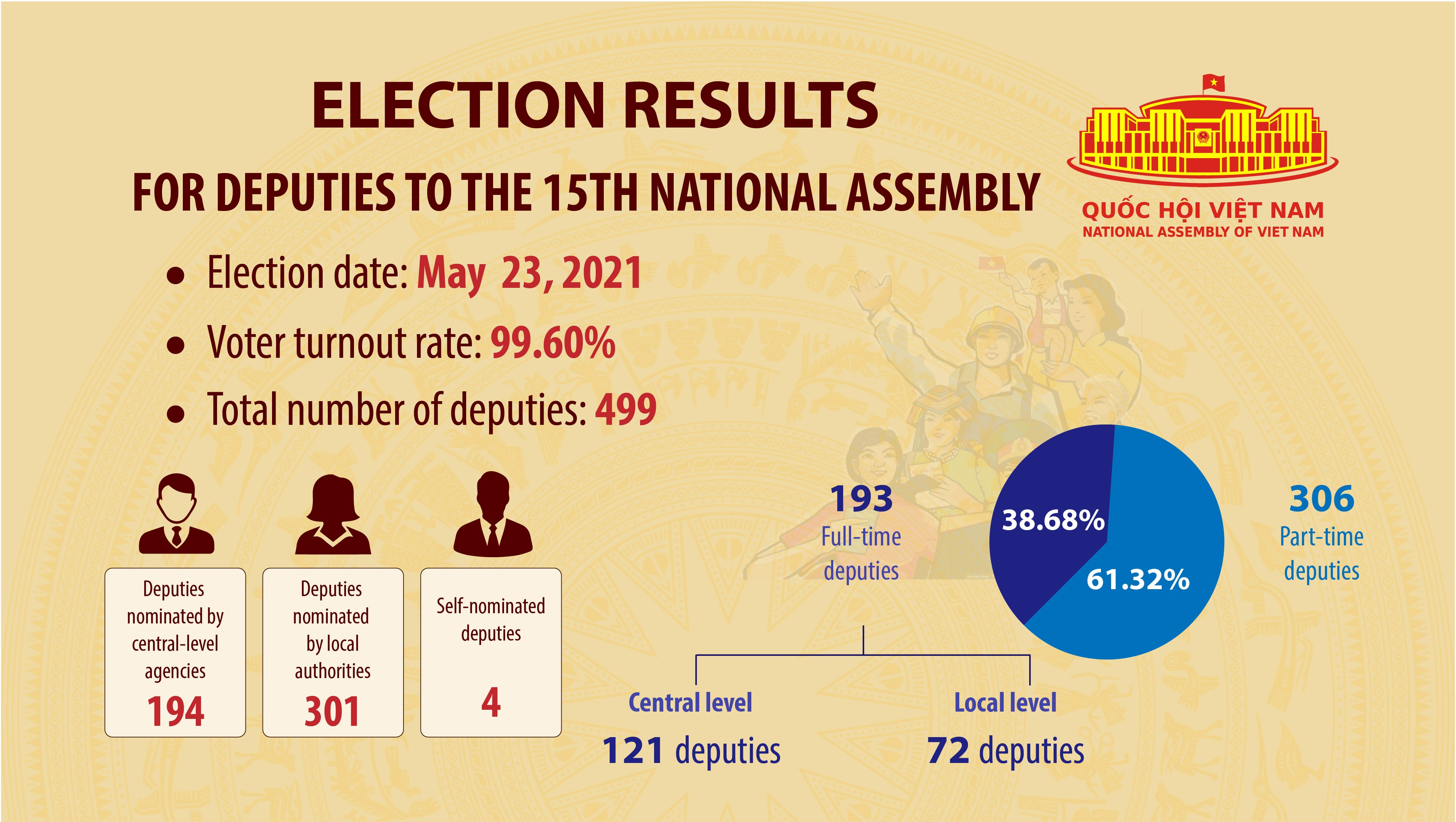
The elections of deputies to the 15th National Assembly and deputies to People's Councils at all levels for the 2021-2026 term, which took place on May 23, 2021, in the context that the whole country was trying hard to prevent and control the COVID-19 pandemic, became an important political milestone of the nation.
More than 69 million voters nationwide upheld their sense of responsibility and civic awareness, went to the polls with a turnout rate of 99.6% - a number that vividly demonstrated the people's aspiration for democracy, consensus and steadfast belief. With the motto of "democracy, discipline, solidarity, innovation", the people elected 499 National Assembly deputies who are exemplary in quality, intelligence, mettle and prestige, and are worthy representatives of the will and aspirations of the entire people.
The success of the election not only affirmed the people's trust in the Party and the State, but also created a solid foundation for the 15th National Assembly to carry out its responsibilities of legislation, supervision and making decisions on important issues of the country./.
THE 9TH SESSION OF THE 15TH NATIONAL ASSEMBLY – HISTORIC DECISIONS
The 9th session of the 15th National Assembly (from May 5 to June 27, 2025) was a special session, as it took place in the context that the country was conducting institutional reforms, streamlining the organisational apparatus, and making strong transformation on the path of rapid and sustainable development. The outstanding outcomes of this session reflected the stature, mettle, and wisdom of the National Assembly, serving as vivid proof of the consistent unity between the Party’s will and the people’s aspirations, and laying a solid legal foundation for a new stage of development.
At this session, the National Assembly passed 34 laws, accounting for more than 50% of the total number of laws adopted in the 17 sessions of the 15th tenure; and approved 14 legal resolutions. In particular, the National Assembly discussed and adopted a Resolution amending and supplementing a number of articles of the Constitution of the Socialist Republic of Vietnam, together with many synchronous laws and resolutions, creating a legal basis for reforming and reorganising the two-tier local administration system.
The National Assembly also discussed the Government’s reports on the implementation of the socio-economic development plan, national defence, security, and state budget in 2024 and the early months of 2025, and made many other important decisions to maximise resources in service of the nation and the people.
The National Assembly decided to shorten the term of the 15th National Assembly and the 2021–2026 term of People’s Councils at all levels; adopted a Resolution on establishing the National Election Council; approved the National Assembly’s supervision programme in 2026; and conducted a question-and-answer session on two groups of issues related to finance and education-training. Personnel work was carried out in accordance with the Party’s regulations and the State’s laws.
AMENDING AND SUPPLEMENTING A NUMBER OF ARTICLES OF THE 2013 CONSTITUTION AND APPROVING 34 LAWS
One of the important contents of the ninth session was that the National Assembly adopted a Resolution amending and supplementing a number of articles of the Constitution of the Socialist Republic of Vietnam, and passed 34 laws, creating a comprehensive legal basis for implementing the policy of reorganising and streamlining the political system’s apparatus, building a streamlined two-tier local administration model with fewer intermediary levels, enhancing the effectiveness and efficiency of national and local governance, and comprehensively restructuring the country’s development space.
THE NATIONAL ASSEMBLY APPROVES A RESOLUTION ON THE REORGANISATION OF PROVINCIAL‑LEVEL ADMINISTRATIVE UNITS
At the ninth session, the 15th National Assembly votes to approve Resolution No. 202/2025/QH15 on the reorganisation of provincial-level administrative units in 2025. From July 1, 2025, 34 provincial administrative units officially come into operation under the two‑tier local administration model. Photo: Graphic of Vietnam’s administrative boundaries after implementing Resolution No. 202/2025/QH15 on the reorganisation of provincial‑level administrative units in 2025.
JULY 1, 2025 – A HISTORIC MILESTONE
On July 1, 2025, the two‑tier local administration model officially began operation. This is a historic milestone in the 80 years of operation of the National Assembly in particular, and of the country in general.
PIONEERING IN THE APPLICATION OF SCIENCE, TECHNOLOGY AND DIGITAL TRANSFORMATION
MASS DIGITAL LITERACY - DIGITAL NATIONAL ASSEMBLY
Equipping National Assembly deputies and officials with digital knowledge and skills to enhance parliamentary effectiveness and meet the requirements of national digital transformation is an urgent task.
On September 13, 2025, the National Assembly Party Committee and the National Assembly Standing Committee organised a thematic conference on “Digital Literacy for the People - Digital National Assembly: A Framework of Digital Knowledge and Skills for a Modern National Assembly,” affirming the National Assembly's pioneering role in implementing the Politburo's Resolution No. 57-NQ/TW dated December 22, 2024, on breakthroughs in the development of science, technology, innovation, and national digital transformation.
“RE‑SUPERVISING” TO ENSURE THE EFFECTIVE IMPLEMENTATION OF REQUIREMENTS AND PETITIONS
At this session, the National Assembly considered the report of the Central Committee of the Vietnam Fatherland Front, summarising opinions and petitions of voters and the people sent to the ninth session of the 15th National Assembly, and the report of the National Assembly Standing Committee on the results of supervising the settlement of voters’ proposals submitted to the eighth session of the 15th National Assembly. The National Assembly spent time on the question-and-answer session, focusing on areas closely related to people’s lives and state management. It reviewed the report on the outcomes of the supervision programme in 2025 and adopted a Resolution on the National Assembly’s supervision programme in 2026.
THE 10TH SESSION - THE START OF THE NEW DEVELOPMENT PERIOD
The 10th session, which opened on October 20, 2025, was the last regular session of the 15th National Assembly (2021-2026). The session took place in an atmosphere where the entire Party, army and people are determined and making efforts to overcome all difficulties and challenges, striving to successfully implement the socio-economic development goals set by the 13th National Party Congress, and to make achievements to welcome the upcoming 14th National Party Congress. The session summarises operations of the 15th term and prepares for the beginning of a new development period for the country.
This was a "more than special" session with a huge workload, and many important and strategic contents that the National Assembly considers and resolves. Specifically, the National Assembly considered and decided on 66 contents and groups of contents (49 draft laws, 4 resolutions; 13 groups of contents on economy, society, state budget, supervision and other important issues); consider the Government's report; the State President's report, and the reports of the Chief Justice of the Supreme People's Court, the Prosecutor General of the Supreme People's Procuracy; decided on policies on National Target Programmes until 2030 and beyond; adjusted the National Master Plan for the 2021 - 2030 period; ratified the agreement in the field of foreign affairs; passed a Resolution on the work summary of the 2021 - 2026 term. The working spirit and sense of responsibility of deputies at the 10th session in particular and of the 15th National Assembly in general once again affirm that the National Assembly was devoted to the country and the people, worthy of the trust and expectations of the people.
CONTINUING TO IMPROVE INSTITUTIONS AND LAWS; REMOVE BOTTLENECKS; PAVE THE WAY FOR A NEW PERIOD OF DEVELOPMENT
Closely following the Party's practices, policies and resolutions, with the spirit of strongly innovating the legislative and legal work to take the lead and pave the way - the "breakthrough of breakthroughs", the National Assembly continues to improve institutions and laws, remove bottlenecks, unblock resources; create an open and favourable environment for production and business activities; and prepare for a new period of development of the country. The draft laws discussed and approved at this session cover most important areas, and many new, constantly changing issues, especially in the fields of land, investment, planning, construction, environment, energy, science and technology development, innovation and digital transformation, etc.
DECIDING AND APPROVING MANY IMPORTANT RESOLUTIONS
At the 10th session, the National Assembly decided and approved many important resolutions: Resolution on the work summary of the 15th National Assembly, Resolution on the socio-economic development plan for 2026; considered and decided on investment policies for the National Target Programme on new-style rural areas, sustainable poverty reduction and socio-economic development in ethnic minority and mountainous areas until 2030, the National Target Programme on modernisation and improving the quality of education and training; people's health care, population and development for the 2026-2035 period; adjustment of the national master plan for the 2021-2030 period, etc. In particular, the National Assembly approved resolutions on personnel affairs, strengthening the National Assembly and Government apparatus; discussed and contributed opinions on the draft documents to be submitted to the 14th National Party Congress; and prepared for the election of the 16th National Assembly.
SUPERVISING ALL ACTIVITIES OF THE STATE APPARATUS
At the 10th session, deputies listened to reports summarising the work term of the State President, the Prime Minister, the Chairman of the National Assembly, the Presidium of the Central Committee of the Vietnam Fatherland Front, the Supreme People's Court, the Supreme People's Procuracy and the State Audit Office of Vietnam. Deputies discussed and evaluated the reports, thereby making recommendations to the National Assembly.
The draft Law on Supervision Activities of the National Assembly and People's Councils (amended); the role of grassroots administrations; the application of digital technology and digital transformation in supervision activities, ensuring interconnected supervisory information from the province to the commune; and issues related to land management, resources, environment, corruption and waste prevention and control, and protection of human rights and civil rights, were matters of interest at the session./.
The 15th National Assembly was elected and operated at a time when the COVID-19 pandemic was spreading and severely affected the lives of hundreds of millions of people around the world, including in Vietnam. At the same time, global hotspots, military conflicts and trade wars were occurring rapidly and unpredictably, negatively impacting socio-economic development in every country. In that context, the National Assembly demonstrated its political mettle and strong sense of responsibility to the people, making timely decisions to address unprecedented urgent issues and leaving outstanding marks. A highlight of this term is that the National Assembly held 18 regular and extraordinary sessions to tackle pressing issues, including the restructuring of the state apparatus and approval of high-ranking leaders in accordance with the law. Notably, at the ninth extraordinary session and the ninth regular session, the National Assembly institutionalised the Party’s major policies, amended and supplemented a number of articles of the 2013 Constitution and many laws, thereby creating a legal foundation for reforming the state apparatus in the direction of "streamlining, efficiency, effectiveness, and efficiency" - a step to prepare the country to enter a new era.
FUNDAMENTAL INNOVATION OF LAW-MAKING MINDSET, PROMPTLY MEETING THE REQUIREMENTS OF LIFE
During the 15th National Assembly, the law-making work was fundamentally renewed, becoming more professional and scientific. As of June 2025, through nine regular sessions and nine extraordinary sessions, the National Assembly amended and supplemented several articles of the 2013 Constitution, passed 99 laws and 165 resolutions, many of which were normative resolutions, meeting the urgent requirements and demands of life. In particular, the adopted laws and resolutions promptly institutionalised the Party’s major guidelines, removed “bottlenecks,” and created a legal basis for renewing and restructuring the state apparatus toward being “streamlined, efficient, effective,” propelling the country into a new era.
DECIDING ON MANY EXTREMELY IMPORTANT, SPECIAL ISSUES WITH GROUNDBREAKING FEATURES AND LONG-TERM VISION
During the 15th term, the National Assembly considered and decided on socio-economic development plans for the 2021–2025 period; examined and approved the national land-use planning for the 2021–2030 period, with a vision to 2050; passed the Resolution on the establishment of centrally-run Hue city; the Resolution on investment policy for the North–South high-speed railway project; the Resolution on special mechanisms for developing social housing; the Resolution on tuition exemption and support for preschool children and high school students within the national education system; and the Resolution on investment policy for the National Target Programme on Cultural Development for the 2025–2035 period, among others.
The National Assembly decided on crucial legal matters, concretising the Party’s guidelines and creating a legal foundation to “rearrange the country,” unleash production capacity, expand development space, and propel the country into a prosperous, strong, and happy era.
STREAMLINING THE ORGANISATION OF NATIONAL ASSEMBLY AND GOVERNMENT AGENCIES
Implementing the 12th Party Central Committee’s Resolution No. 18-NQ/TW dated October 25, 2017, at the ninth extraordinary session (February 12–19, 2025), the National Assembly passed four laws and resolutions addressing issues related to restructuring the organisation of the National Assembly and the Government in the 15th National Assembly’s term. Accordingly, the organisational structure of the National Assembly was streamlined from 10 committees and three bodies under its Standing Committee to eight committees; the organisational structure of the Government was streamlined from 22 ministries and ministry-level agencies to 17 ministries and ministry-level agencies.
SUPERVISION ACTIVITIES CONTINUOUSLY IMPROVED, FOCUSING ON PRESSING ISSUES OF LIFE
The supervision work of the 15th National Assembly was continuously improved through each session with diversified mechanisms and formats; implemented comprehensively and substantively; and closely addressed major issues emerging in the socio-economic life of the country. For the first time, the National Assembly Standing Committee organised “re-supervision” and “re-questioning” sessions; issued resolutions on supervision programmes, thematic supervision, and supervision outcomes, significantly enhancing the effectiveness, efficiency, democracy, rule of law, openness, and transparency of the supervision activities, which were highly appreciated by voters and the people.
POSITIVE, PROACTIVE, EFFECTIVE, AND INTENSIVE EXTERNAL ACTIVITIES CREATE A FAVOURABLE ENVIRONMENT FOR NATIONAL DEVELOPMENT
During this term, despite rapid, complex, and unpredictable developments of the world situation, the National Assembly has actively and proactively promoted bilateral and multilateral foreign affairs as well as parliamentary diplomacy, leaving many important and notable marks. Relations with neighbouring countries, strategic partners, and traditional friends have continued to receive due attention, and external activities have become more intensive, substantive, and effective. The National Assembly has introduced numerous initiatives in cooperation with parliaments of other countries, regions, and the Inter-Parliamentary Union (IPU), making an important contribution to implementing the foreign policy of the Party and the State, and enhancing the position and image of Vietnam in general and the Vietnamese National Assembly in particular in the international arena.
🔶 During the 2021-2026 term, the 15th National Assembly considered and decided to pass 149 Laws and 225 Resolutions.
🔶 Notably, the National Assembly passed a Resolution amending and supplementing the 2013 Constitution - marking a significant breakthrough in the National Assembly's legislative work to promptly institutionalise the Party's major policies, especially regarding the restructuring of the state apparatus to make it "streamlined, effective, efficient, close to the people, and practical".
🔶 Number of Laws and Resolutions passed at the sessions:
- The second session of the 15th National Assembly (October 20 - November 13, 2021): The National Assembly passed 2 Laws; 12 Resolutions.
- The first extraordinary session of the 15th National Assembly (January 4-11, 2022): The National Assembly passed 1 Law; 3 thematic Resolutions and a general Resolution of the session.
- The third session of the 15th National Assembly (May 23 - June 16, 2022): The National Assembly passed 5 Laws; 16 thematic Resolutions and a General Resolution of the session.
- The 4th session of the 15th National Assembly (October 20 - November 15, 2022): The National Assembly passed 6 Laws; 3 Normative Legal Resolutions.
- The 5th session of the 15th National Assembly (May 22 - June 24, 2023): The National Assembly passed 8 Laws; 17 Resolutions.
- The 6th session of the 15th National Assembly (October 23 - November 28, 2023): The National Assembly passed 7 Laws; 8 Resolutions.
- The 5th extraordinary session of the 15th National Assembly (January 15-18, 2024): The National Assembly passed 2 Laws.
- The 7th session of the 15th National Assembly (May 20 - June 29, 2024): The National Assembly passed 11 Laws and 21 Resolutions.
- The 8th session of the 15th National Assembly (October 21 - November 30, 2024): The National Assembly passed 18 Laws and 21 Resolutions.
- The 9th extraordinary session of the 15th National Assembly (February 12-19, 2025): The National Assembly passed 4 Laws.
- The 9th session of the 15th National Assembly (May 5 - June 27, 2025): The National Assembly passed 34 Laws, accounting for 52.3% of the total number of laws enacted at the 17 sessions of the 15th term; 14 Normative Resolutions.
- The 10th session of the 15th National Assembly (October 20 - December 11, 2025): The National Assembly passed 51 Laws; 39 Resolutions (including 8 normative resolutions). This is a very large legislation workload, accounting for nearly 30% of the total number of laws and normative resolutions issued during the entire term./.
The election of deputies to the National Assembly and deputies to People's Councils is one of the fundamental political rights of citizens, as enshrined in the Constitution. The election is a means for the people to express their will and aspirations and exercise their mastery in building a socialist rule-of-law state in general, and establishing state power organs at the central and local levels in particular. The election of deputies to the 16th National Assembly and deputies to the People's Councils at all levels for the 2026 – 2031 tenure will be organised on the same day nationwide, on Sunday, March 15, 2026, at a time when Vietnam achieved remarkable and historically significant accomplishments across all aspects after its 40-years Doi moi (renewal) process. It is also a time when Vietnam is actively streamlining the political system's apparatus, reorganising administrative boundaries, and operating a two-tier local administration model to make it elite, streamlined, strong, efficient, valid and effective, paving the way for the country to enter a new era of development. This is an important political event of the country, held shortly after the 14th National Congress of the Communist Party of Vietnam It is a specific step to concretise the Congress's Resolution in connection with the Party's personnel affairs, and responsibilities of all levels and sectors. It will also provide voters the opportunity to exercise their mastery to select outstanding and worthy individuals to represent their will, aspirations, and mastery in the National Assembly and People's Councils at all levels in the new term. This actively contributes to building, strengthening, and perfecting the socialist rule-of-law State of the people, by the people and for the people, under the leadership of the Communist Party of Vietnam./.
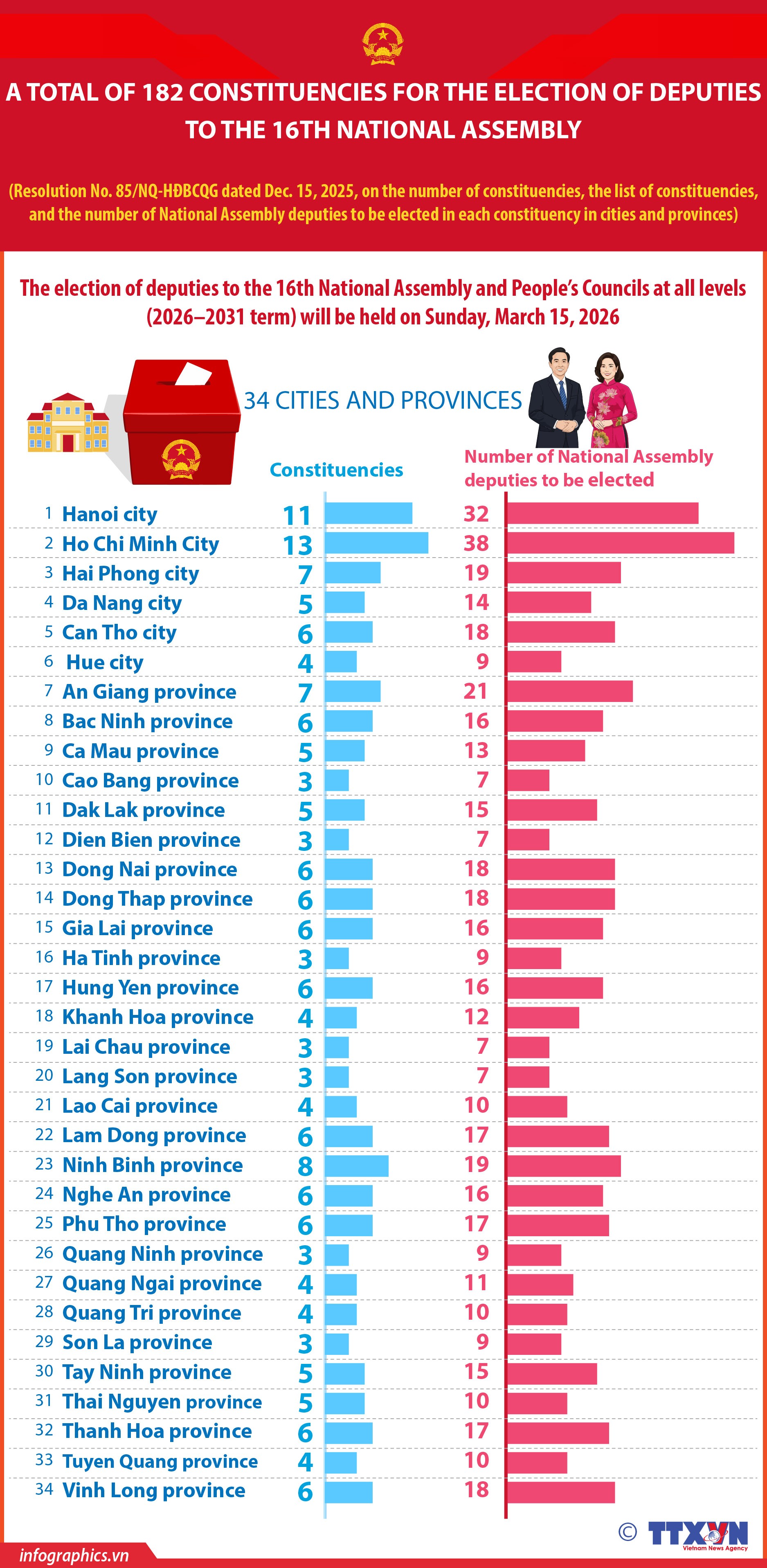
- MARCH 15, 2026
NATIONAL ELECTION DAY FOR THE 16TH NATIONAL ASSEMBLY AND PEOPLE'S COUNCILS AT ALL LEVELS FOR THE 2026-2031 TENURE
- November 30, 2025
- Establishing
+ Provincial Election Committees
+ Commune-level Election Committees
- The National Assembly's Standing Committee planned the structure, composition, and allocation of the number of candidates nominated to run for National Assembly deputies.
- Standing members of the People's Councils determined the structure, composition, and allocation of the number of candidates nominated to run for seats in the People's Councils at all levels.
- December 10, 2025
- The Vietnam Fatherland Front Central Committee held its first consultative conference.
- The Vietnam Fatherland Front Committees at the provincial and commune levels organised their first consultative conferences.
- December 15, 2025
- The National Assembly's Standing Committee made its first adjustment to the structure, composition, and allocation of the number of candidates from central and local agencies, organisations, and units nominated to run for National Assembly deputies.
- Standing members of the Provincial and Communal People's Councils adjusted the structure, composition, and number of candidates nominated to run for election as deputies to the People's Councils at the same level.
- December 25, 2025
- The National Election Council determined and announced the number of constituencies, the list of constituencies, and the number of National Assembly deputies to be elected in each constituency.
- The Election Commissions at all levels determined and announced the number of constituencies, the list of constituencies, and the number of People's Council deputies to be elected in each constituency.
- January 4, 2026
- Establishing a National Assembly Election Committee in each constituency.
- Establishing Election Committees for provincial and commune-level People's Council deputies.
- January 31, 2026
- Establishing an election team for each polling station.
- February 3, 2026
- The Vietnam Fatherland Front Central Committee held its second consultative conference.
- The Vietnam Fatherland Front Committees at the provincial and commune levels organised their second consultative conferences.
- Posting of voter lists. Voters may file complaints regarding the preparation of voter lists within 30 days of the date of posting.
- February 5, 2026
- The National Assembly's Standing Committee makes the second adjustment to the structure, composition, and number of candidates from central and local agencies, organisations, and units nominated to run for National Assembly deputies.
- February 20, 2026
- The Vietnam Fatherland Front Central Committee holds its third consultative conference.
- The Vietnam Fatherland Front Committees at the provincial and commune levels organise their third consultative conferences.
- February 22, 2026
- The Standing Committee of the Vietnam Fatherland Front Central Committee and the Standing Boards of the Vietnam Fatherland Front Committees at all levels send the minutes of the third consultative conferences and the list of qualified candidates to the National Election Council and other agencies and organisations as prescribed.
- February 26, 2026
- The National Election Council compiles and publishes the official list of candidates for National Assembly deputies in each constituency nationwide, based on the lists submitted by the Standing Committee of the Vietnam Fatherland Front Central Committee and the Provincial Election Committees. The National Election Committees compile and publish the official lists of candidates for National Assembly deputies and People's Council deputies in each constituency.
- February 27, 2026
- The Election Committees post the official lists of candidates for National Assembly deputies and People's Council deputies at the polling stations.
- March 2, 2026
- The Election Committees receive and distribute materials and ballots to the Polling Teams.
- March 3, 2026
- The election campaign begins on the day the official lists of candidates are announced and ends 24 hours before the voting starts.
- March 5, 2026
- The National Election Council, the Election Committees, the Election Boards, and the Polling Teams review and resolve complaints and denunciations regarding candidates.
- March 10, 2026
- Agencies making the lists of voters handle complaints regarding additions to the lists of voters./.
- MARCH 15, 2026
NATIONAL ELECTION DAY FOR THE 16TH NATIONAL ASSEMBLY AND PEOPLE'S COUNCILS AT ALL LEVELS FOR THE 2026-2031 TENURE
- March 18, 2026
- The Election Committees prepare and send the minutes confirming the election results for National Assembly deputies, provincial and commune-level People's Council deputies.
- March 22, 2026
- The Provincial Election Committees prepare the minutes confirming the election results of the National Assembly deputies and send them to the National Election Council.
- Fixing a date for a supplemental election, if any.
- March 25, 2026
- Deadline for the National Election Council to announce the election results and the list of elected National Assembly deputies.
- Deadline for the Election Committees to announce the election results and the lists of elected deputies to the People's Councils at their level.
- Complaints regarding the election results of National Assembly deputies should be submitted to the National Election Council, and complaints regarding the election results of the People's Councils should be submitted to the Election Committees no later than three days from the date of announcement of the election results.
- March 28, 2026
- The Election Committees shall consider and resolve complaints regarding the results of the election of People's Council deputies within seven days from the date of receiving the complaint.
- The National Election Council shall consider and resolve complaints regarding the election results of National Assembly deputies within 20 days from the date of receiving the complaint.
- March 30, 2026
- The National Election Council shall prepare a summary report of National Assembly deputy election results and send it to the National Assembly's Standing Committee, the Government, and the Vietnam Fatherland Front Central Committee.
- April 4, 2026
- The commune-level Election Committees shall prepare summary reports of the election of People's Council deputies and send them to the People's Councils, People's Committees, and Fatherland Front Committees at the same level and at the provincial level.
- April 5, 2026
- Confirming eligibility for deputies to the National Assembly and deputies to the People's Councils.
- Local election organisations carry out their duties.
- The National Election Council performs its duties after the election results are announced.
- April 6, 2026
- The first session of the 16th National Assembly (20 days after the election)./.
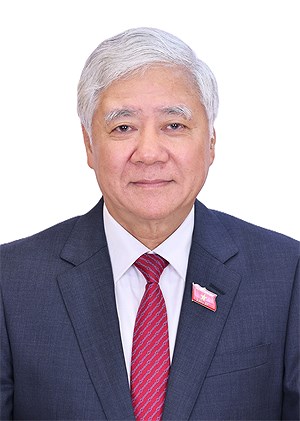



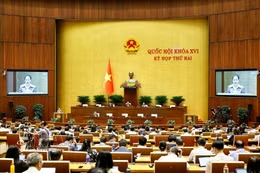
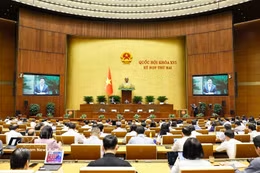
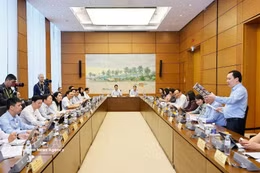
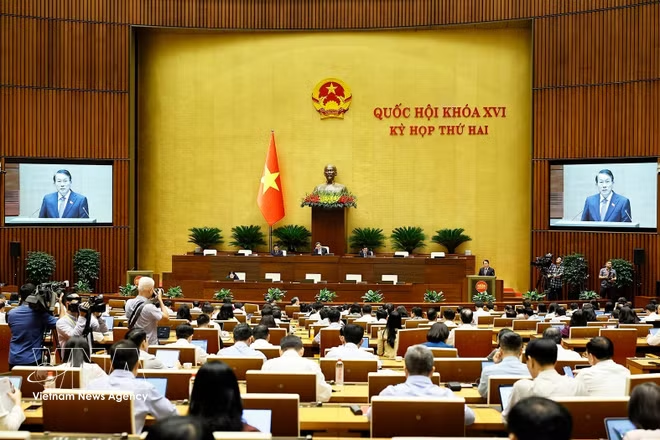
The 16th National Assembly is scheduled to discuss the draft revised Penal Code and a draft resolution on its implementation at a plenary sitting on the morning of October 27, as part of its ongoing second session.
The abolition of business licences for support tools must be linked to checks on the conditions that remain mandatory, Party General Secretary and President To Lam said, explaining that these are specialised goods with particular characteristics, and misuse or use by unauthorised persons could have extremely serious consequences.
The revised Law on Handling of Administrative Violations comprises six chapters and 128 articles. It proposes extending the statute of limitations for penalties to two or three years in certain sectors, raising maximum fines from 1 billion VND (over 38,000 USD) to 1.5 billion VND for individuals and from 2 billion VND to 3 billion VND for organisations, and specifying maximum fines for individual sectors.