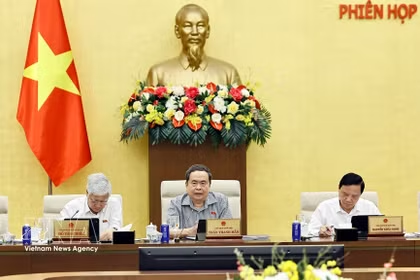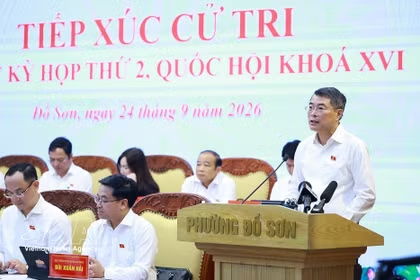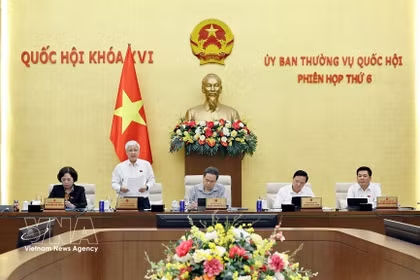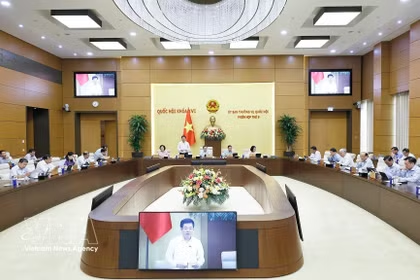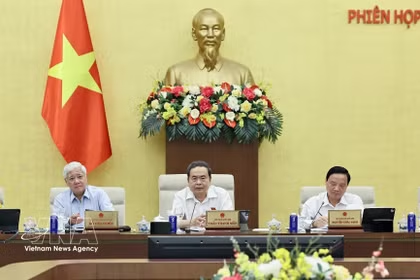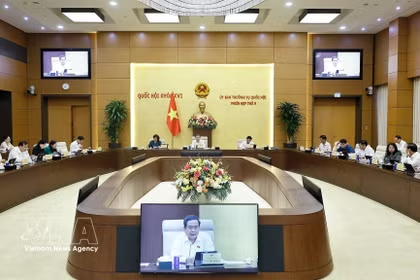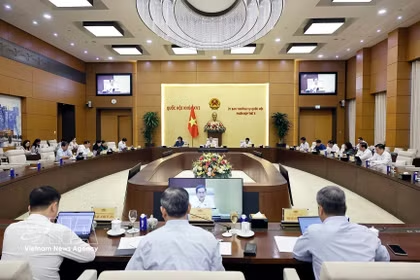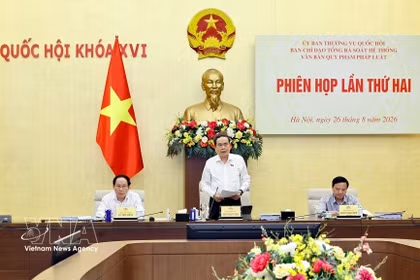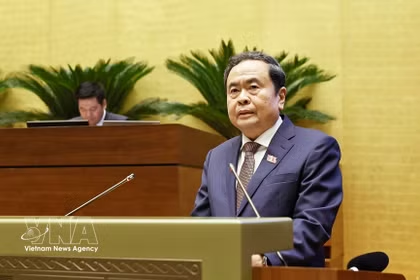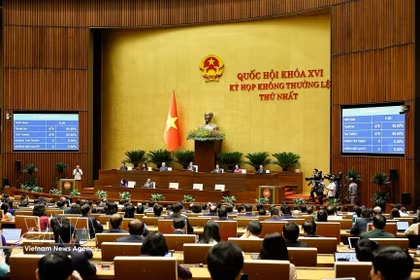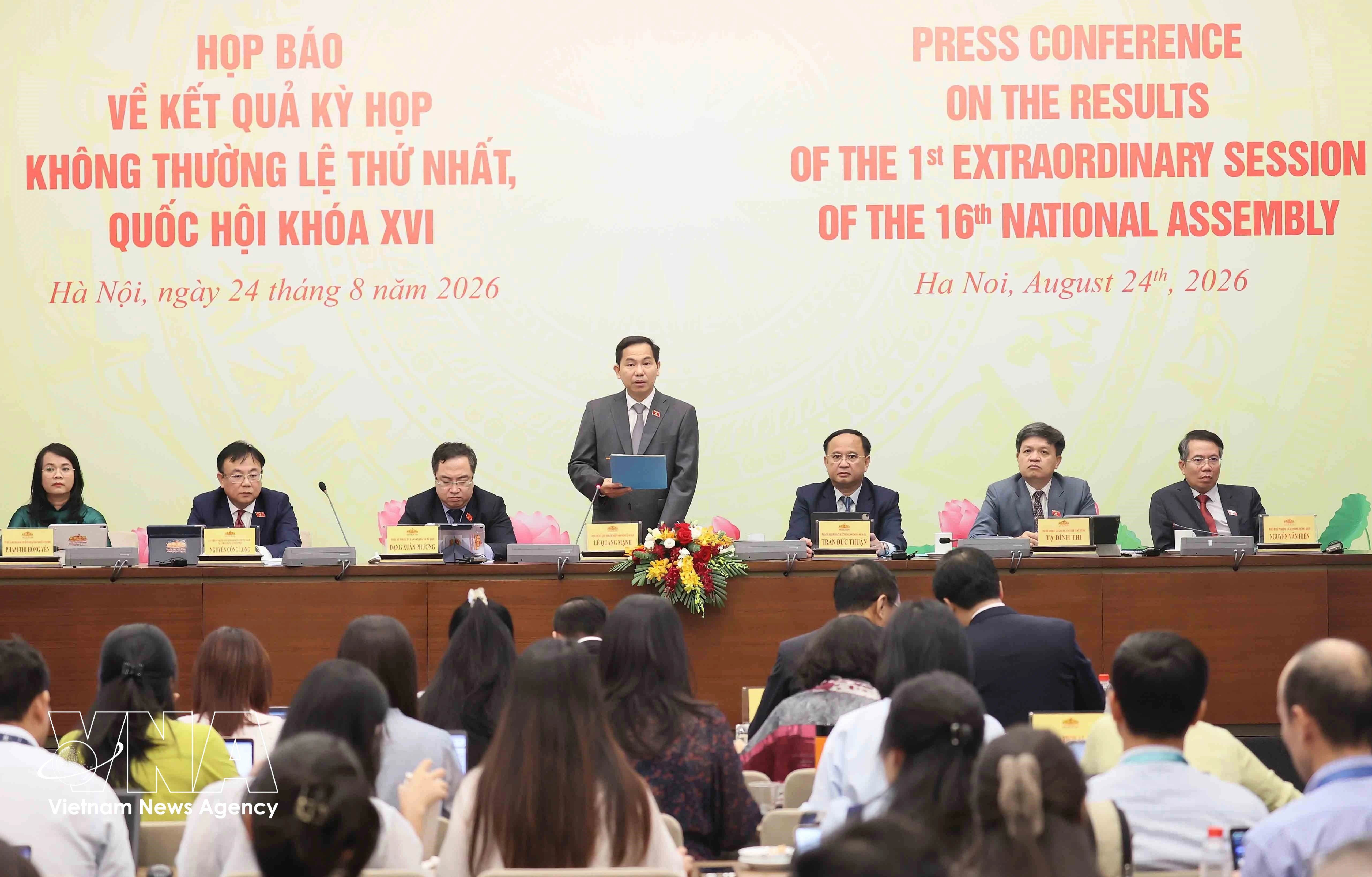
Hanoi (VNA) – National Assembly (NA) Secretary General and Chairman of the NA Office Le Quang Manh chaired a press conference in Hanoi on August 24 to announce the results of the 16th NA’s first extraordinary session.
Clear political resolve and substantive action
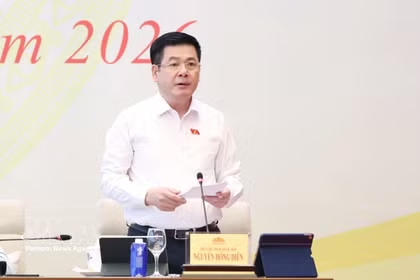
Vice Chairman of the NA Office Nguyen Van Hien said the session cleared its full agenda after 17 days of urgent, serious, democratic and highly responsible work.
Lawmakers passed 15 laws and six legal resolutions, decided on personnel work and seven important items within its authority, and gave initial opinions on seven other bills.
More than 2,000 opinions were delivered in group discussions and plenary sessions. They were frank and substantive, closely grounded in practical realities, and focused on clearing obstacles, with specific, practical and feasible amendments proposed for the draft laws and resolutions submitted to the session.
The NA agencies, Government and relevant bodies demonstrated a high sense of responsibility and worked urgently to collect, study, consider and constructively incorporate and explain deputies' opinions on the draft laws and resolutions.
The outcomes again demonstrated the political resolve, proactive approach, responsibility and substantive action of the NA, Government and relevant agencies in turning Party guidelines and policies into the law, meeting practical requirements and laying the foundation for the country’s rapid and sustainable development, he added.
Digital transformation boosts efficiency
Asked by a Vietnam News Agency reporter how the NA maintained the legislative schedule and quality, Hien said the session handled numerous urgent issues and a very large workload, including personnel affairs and legislation, while making decisions on matters of national importance with lawmaking as the central focus.
Innovative lawmaking approaches tied to digital transformation were applied more widely and visibly. Effective use of digital technology, particularly artificial intelligence, remarkably improved work quality from document processing to Ministry of Justice appraisal and NA committee review.
Technology was also adopted effectively in reviewing draft laws and supporting deputies, helping improve work quality and efficiency during the current tenure.
Thorough preparations and the efforts of agencies, units, deputies and officials contributed to the session’s success, he said.
Laws must create new development models and momentum
Asked about the session highlights, particularly lawmaking, institutional improvement and removal of legal bottlenecks, Nguyen Cong Long, a full-time deputy at the NA Committee on Legal and Judicial Affairs, said the outcomes reflect an innovative approach to lawmaking.
That approach means drafting laws based on on-the-ground realities and serving practical requirements, he said.
He said the innovation is reflected in major changes in the NA’s legislative thinking. The legislature is no longer focused only on amending laws but also on opening pathways and creating conditions for development.
Alongside the laws passed at the session, Long said the NA focused on initial opinions on policy orientations for several bills critical to a new growth stage, including the draft amendments to the Land Law, the Law on Real Estate Business and the Housing Law, and a draft consolidated Law on State Budget.
After the session, the Government will direct ministries and agencies to study the opinions and turn policy orientations into specific terms in the relevant laws, contributing to building consensus as the NA continues deliberations, he added./