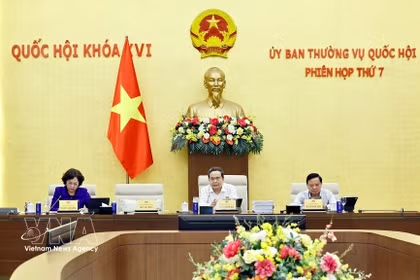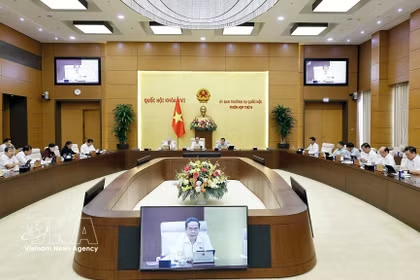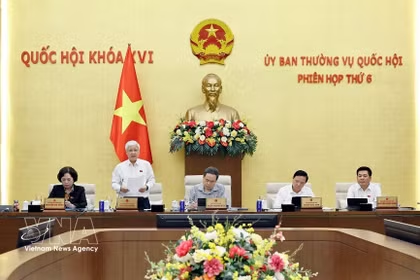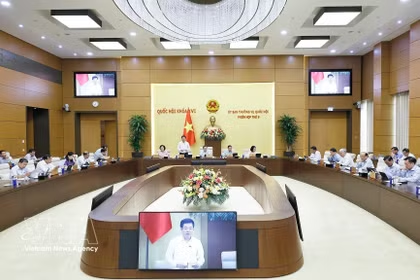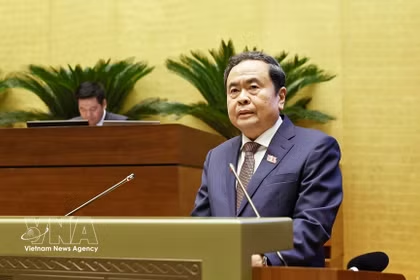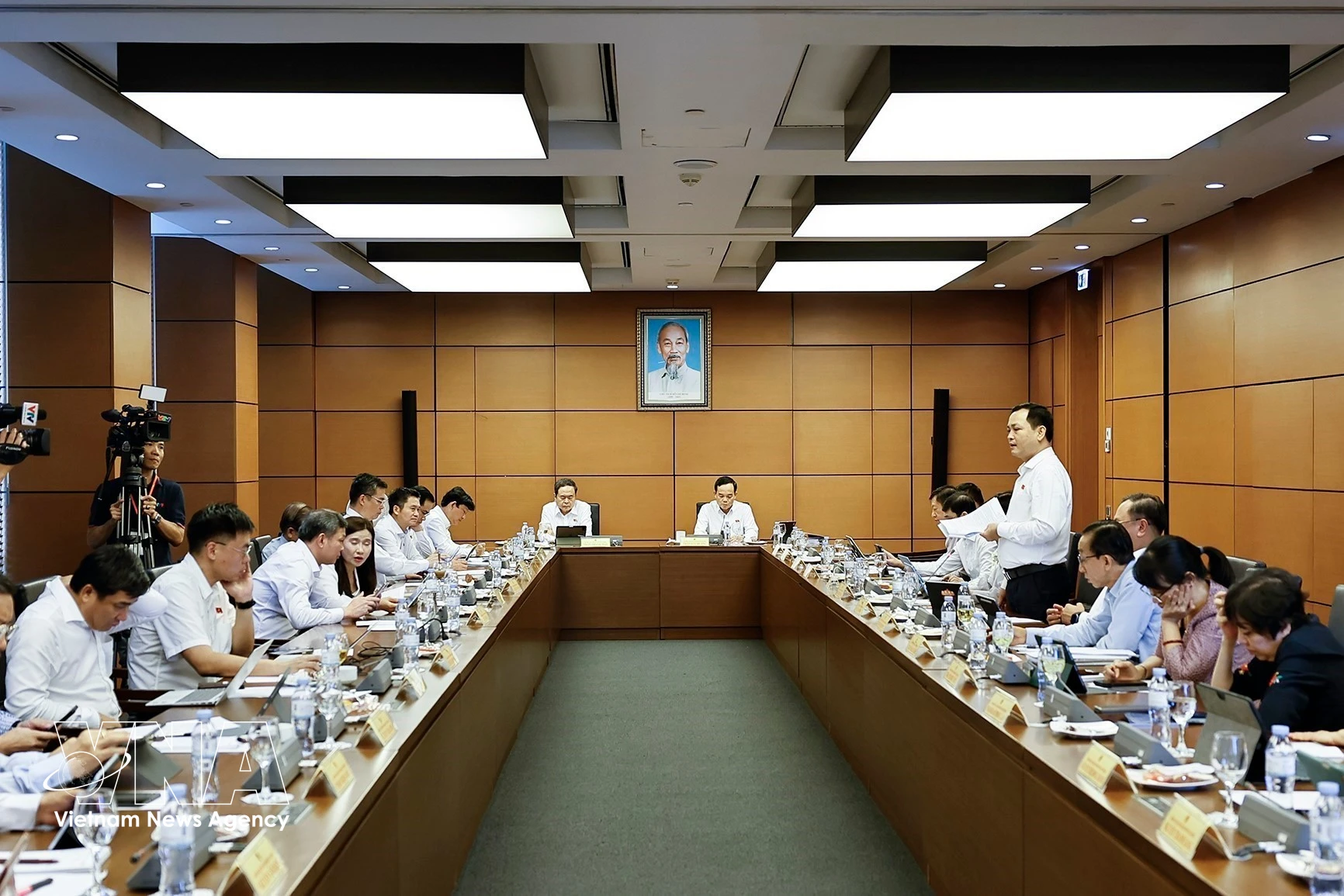
Hanoi (VNA) – The first extraordinary session of the 16th National Assembly on August 20 morning centred on the draft revised Criminal Procedure Code, which introduces the concept of “electronic proceedings” for the first time, providing for electronic case files, digitised documents, data sharing, electronic delivery of procedural documents and online trials.
The draft law, presented by President of the Supreme People’s Procuracy Nguyen Huy Tien, comprises 514 articles focusing on six major groups of issues, including streamlining procedural rules, simplifying certain procedures, reducing paperwork and unnecessary certification requirements, and standardising procedural processes.
It also allows suspects and defendants who voluntarily plead guilty and accept punishment to benefit from leniency.
The draft introduces greater differentiation in procedural handling based on the nature and severity of offences, offenders’ backgrounds, attitudes during questioning, level of cooperation and efforts to remedy consequences. It also adds provisions on cases initiated at victims’ requests, exemption from criminal liability and temporary suspension of prosecution.
It conditionally expands the investigative authority of heads and deputy heads of commune-level police units in certain very serious but straightforward cases with clear evidence, aiming to make better use of grassroots resources and ease the workload of provincial-level investigation agencies.
Regarding electronic proceedings, the draft provides for electronic case files, digitisation of documents, data connectivity and sharing, electronic delivery and receipt of procedural documents, and online trials, marking a step towards modernising criminal proceedings.
It also improves provisions on international cooperation, including mechanisms for handling requests to prosecute Vietnamese citizens whose extradition has been refused, thus ensuring consistency with the legal regulations on mutual legal assistance in criminal matters and new rules and contributing to efforts to combat transnational crime.
The overarching spirit of the draft is to streamline proceedings, accelerate case resolution, adopt more differentiated policies, strengthen
control over the excercise of power and modernise procedural methods while fully safeguarding human and citizens’ rights and ensuring objectivity and fairness in criminal proceedings, Tien said.
Presenting the verification report, Chairman of the NA Committee on Legal and Judicial Affairs Phan Chi Hieu said the draft revises five principles and adds three new ones to the fundamental principles of criminal proceedings. The committee asked the drafting body to continue reviewing the provisions to ensure they effectively guide investigation, prosecution and adjudication.
With regard to the early settlement of material evidence and assets, he added, the committee supported the proposal in principle to put assets back into circulation sooner to avoid wastefulness. However, it called for the draft to clearly specify the applicable cases, competent authorities and procedures, given the issue’s direct impact on property rights of organisations and individuals and the handling of cases./.