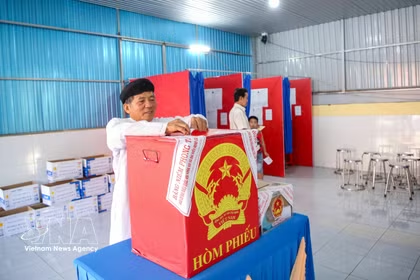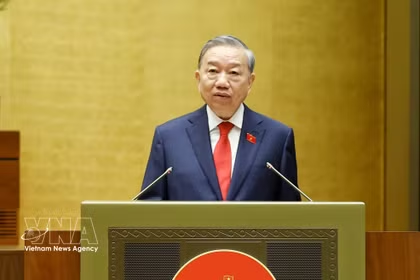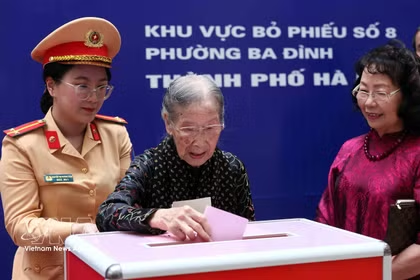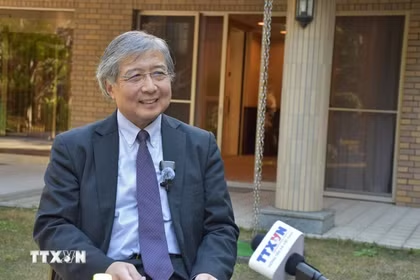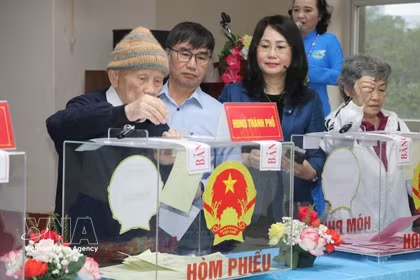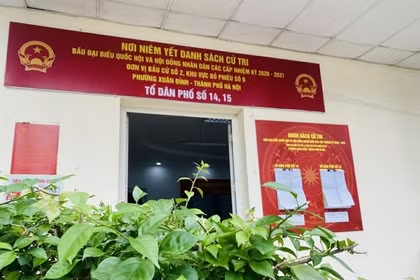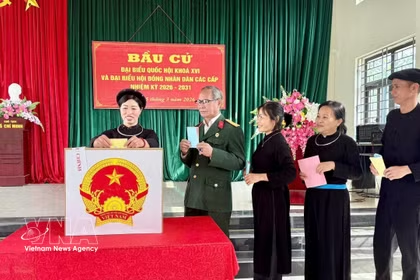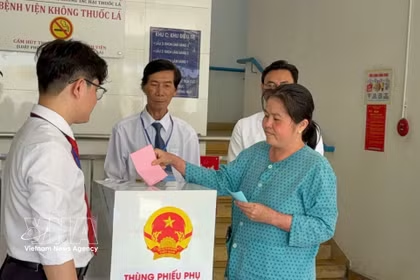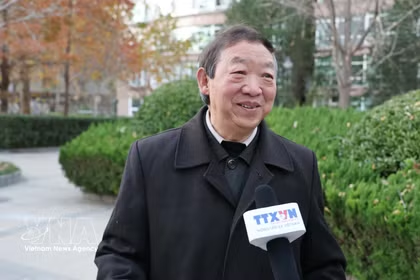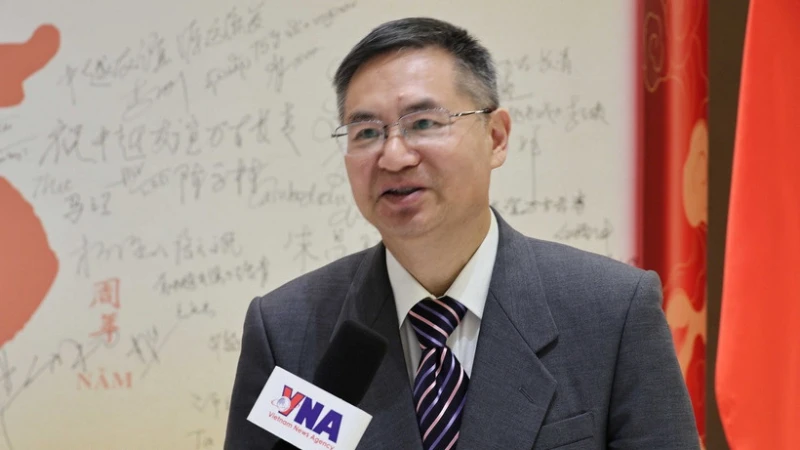
Hanoi (VNA) – Vietnam's decision to hold the election of deputies to the 16th National Assembly and People’s Councils at all levels in the 2026-2031 tenure two months earlier than usual represents a highly practical move, according to Prof. Dr. Cheng Hanping, Executive Director of the Institute for Regional and National Studies and Director of the Vietnam Studies Centre at Zhejiang University of Technology in China.
In an interview with a Vietnam News Agency correspondent in Beijing, the scholar said the decision carries even greater practical significance in the current context. Following organisational streamlining at both central and local levels, particularly the implementation of a two-tier local administration model, newly established provincial and local authorities are entering operation with personnel arrangements gradually being finalised.
This process requires thorough preparation, timely implementation and effective coordination among administrative levels to ensure Party policies and guidelines are fully carried out, he noted, adding that organising the elections early is therefore a necessary and practical measure reflecting the pragmatic governance approach of the Communist Party of Vietnam’s leadership.
Professor Cheng said that amid unprecedented global changes, the Party has introduced the concept of a new era of national rise, outlining strategic orientations and priorities for Vietnam’s long-term development aspirations. These new concepts need to be consistently translated into practice through legislative action by the National Assembly and People’s Councils, making the early election essential to accelerate implementation.
He added that the concept of national rise proposed by the Party Central Committee helps maximise public support, strengthen trust and unity, and mobilise collective strength toward achieving ambitious national goals.
The scholar also pointed to rapidly evolving global uncertainties, including challenges related to energy supply, economic stability and supply chain disruptions, stressing that the strategic vision of national advancement plays an important role in maintaining social cohesion and strategic focuses amid a complex international environment.
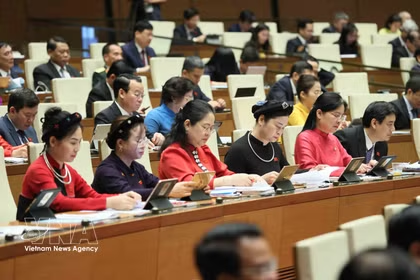
Assessing the performance of the 15th National Assembly and People’s Councils for the 2021–2026 tenure, Professor Cheng said the elected bodies have played an exceptionally important role during a historic period, leaving a lasting institutional legacy. The National Assembly consistently reflected both Party orientations and the aspirations of the people.
During its sessions, the legislature adopted a resolution amending and supplementing several provisions of the Constitution of the Socialist Republic of Vietnam with unanimous approval from attending deputies, alongside numerous legal documents and resolutions that established a solid legal foundation for implementing the two-tier local government model and enabling newly formed institutions to operate effectively.
According to the Chinese scholar, many decisions and laws adopted by the 15th National Assembly carry transformative significance. Notably, at its ninth session, the legislature passed 34 laws, marking a new phase of institutional reform and strategic orientation for Vietnam’s development in the new development phase.
He noted that the tenure coincided with a historic restructuring of Vietnam’s organisational system, requiring legislative support to safeguard reforms, facilitate implementation and maintain social stability and harmony. These achievements, he said, have created a strong legal foundation for future development.
Professor Cheng also highlighted that despite leadership personnel changes during the term, the National Assembly maintained smooth, orderly operations and achieved positive results without disruption.
Looking ahead, he said the National Assembly will continue to shoulder major responsibilities and face new challenges. As National Assembly Chairman Tran Thanh Man has emphasised, the legislature will pursue comprehensive reforms to enhance its legislative, supervisory and decision-making capacity on key national issues./.