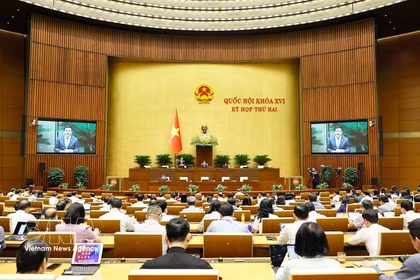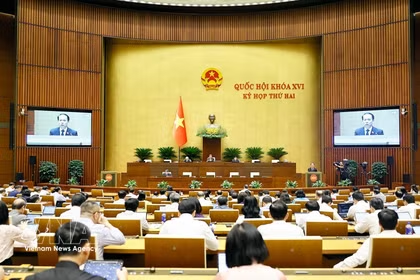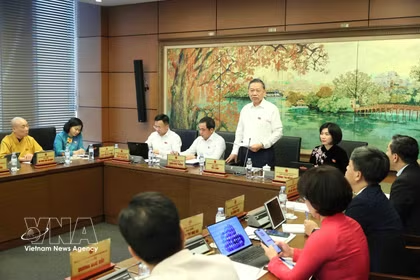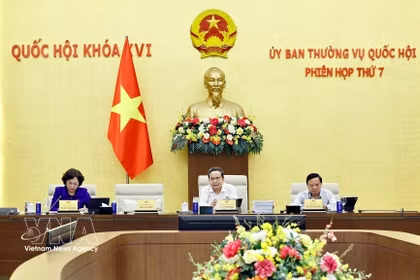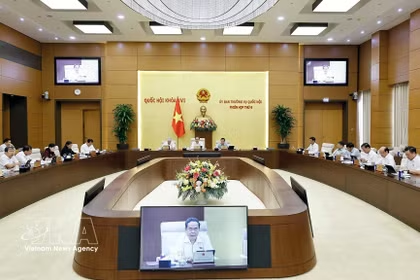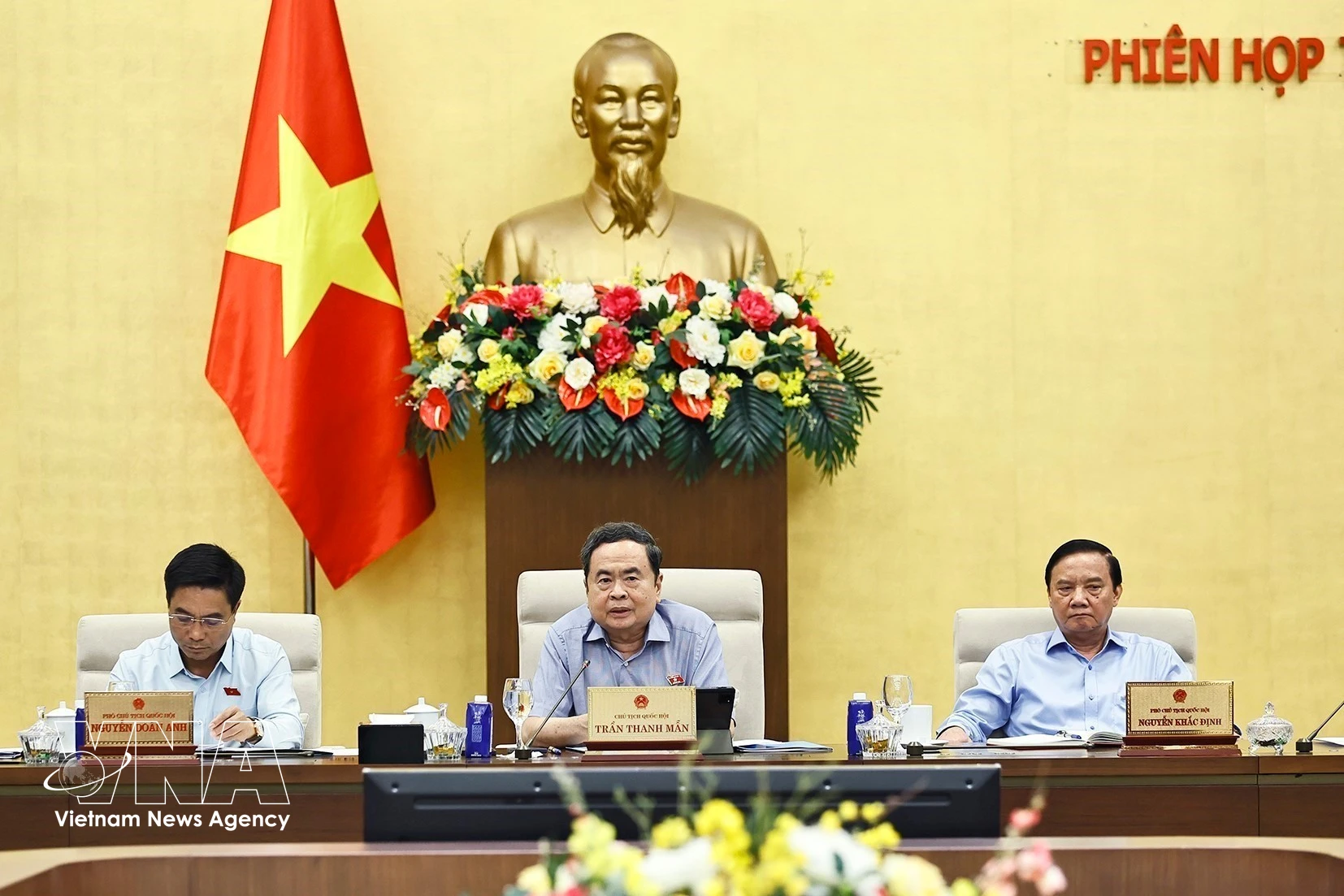
Hanoi (VNA) – The National Assembly (NA) Standing Committee on July 9 discussed a draft resolution introducing special mechanisms and policies for handling legal violations related to the state economy, private sector development, and the application of science, technology, innovation and digital transformation during its ongoing fourth session.
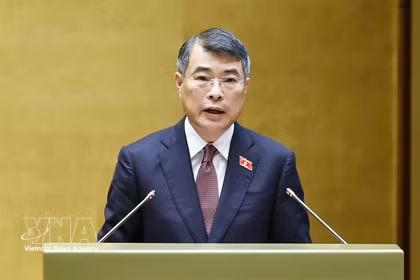
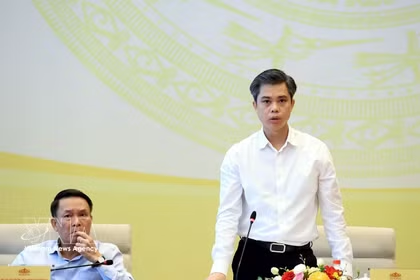
Presenting the Government’s proposal, Minister of Public Security Luong Tam Quang said the draft resolution is intended to institutionalise the Party’s policies and provide legal safeguards for officials who carry out innovation, think big, act bold, and pursue the common good without engaging in corruption, wastefulness or misconduct.
According to the minister, the draft is designed to uphold the strict enforcement of the law, ensuring there are no prohibited areas or exceptions, while adopting a humane and fair approach that considers the nature of each violation. Authorities will assess factors such as the offender’s motives and intentions, the historical and practical context, the consequences of the violation, remedial actions taken, and political, economic and social impacts before determining appropriate measures.
The draft resolution proposes several new mechanisms, including exemption from or suspension of criminal responsibility for risks arising during scientific research, technological development, innovation and digital transformation activities. It also provides for corresponding disciplinary measures for officials and civil servants to ensure consistency in the application of the law.
The proposed resolution will remain in force for three years. In cases where a suspension of criminal responsibility extends beyond the resolution’s validity period, the suspension may continue until the prescribed deadline, but for no longer than two years.
In its verification report, the NA Committee for Economic and Financial Affairs stressed that the special mechanisms must be carefully designed to ensure consistency within the legal system and prevent abuse. It recommended clearly distinguishing urgent issues requiring immediate regulation through the resolution from long-term matters that should instead be addressed through amendments to the Criminal Code and other relevant laws.
The committee also emphasised that criminal, administrative and civil liabilities should be clearly differentiated, and the handling of individual accountability should be separated from efforts to remove obstacles facing investment projects. It said leniency should apply only to cases involving no corruption or personal gain, where violations were committed for the public interest, damages were proactively remedied and all statutory conditions were fully met.
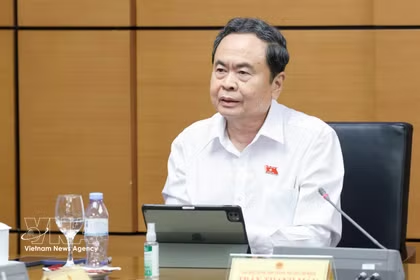
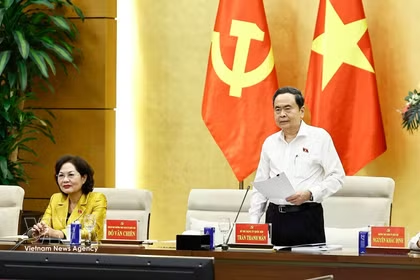
NA Vice Chairman Nguyen Hong Dien said the NA Standing Committee basically reached consensus on the necessity of issuing the resolution and agreed to submit it to the legislature for consideration at a specialised session in August.
He called on the drafting agency to continue reviewing the title, scope and subjects of application to ensure consistency with the Party Central Committee’s and the Politburo’s directives. He also urged further refinement of the draft’s special criminal policy provisions, particularly those relating to exemptions from, suspension of and waivers of criminal responsibility.
Only provisions that differ substantively from existing laws and fall within the National Assembly’s legislative authority should be included, he said, adding that the resolution should provide a solid legal basis for protecting officials and workers who dare to think big and act for the common good.
Also on July 9, the NA Standing Committee reviewed the draft revised Law on Petroleum.
Presenting the Government’s proposal, Minister of Industry and Trade Le Manh Hung said the draft law aims to enhance the practicality and enforceability of the existing law while ensuring consistency across the legal system governing oil and gas surveys and exploration, production and related activities. The draft law is also designed to align with Vietnam’s international commitments and internationally accepted practices in the petroleum industry.
Dien said the NA Standing Committee basically agreed with the need to promulgate the revised Law on Petroleum in order to promptly institutionalise the Party’s guidelines, ensure consistency within the legal system and comprehensively address shortcomings encountered during the implementation of the 2022 law./.