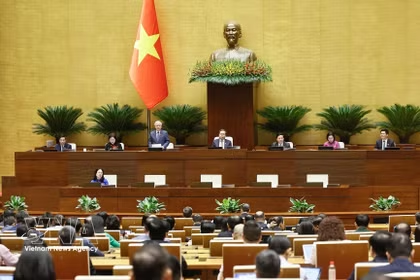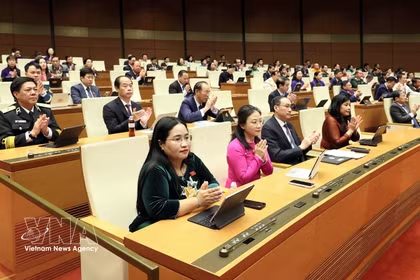
Washington D.C. (VNA) – The 15th National Assembly (2021–2026) operated through the historic disruption of the COVID-19 pandemic, when Vietnam endured prolonged lockdowns and social distancing but still worked to stabilise society and revive the economy, according to a US-based lawyer.
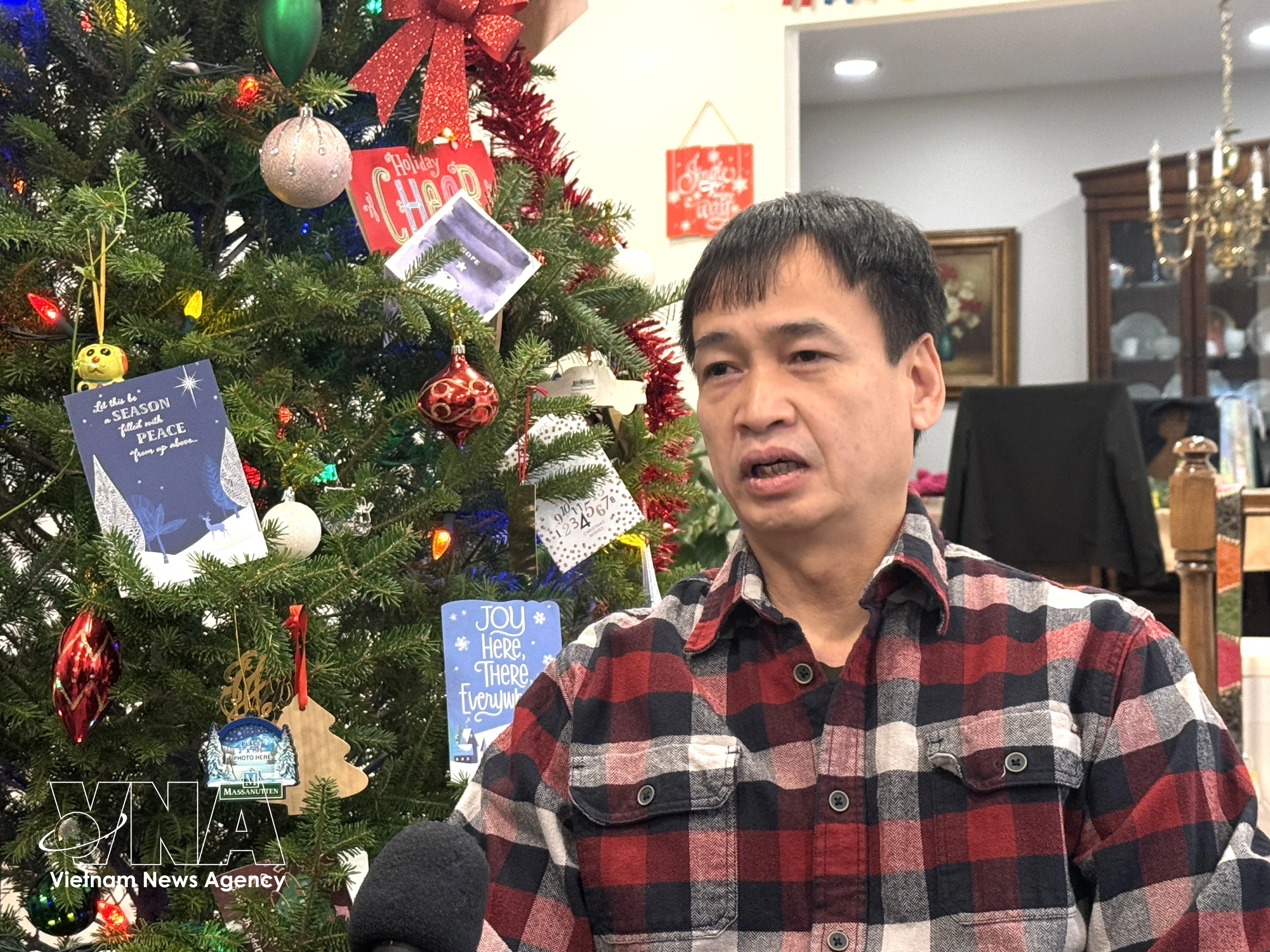
Speaking to the Vietnam News Agency (VNA)’s correspondent in the US ahead of the election of deputies to the 16th NA and People’s Councils at all levels for the 2026–2031 term, lawyer Dang Chien Thang, a registered legal adviser in Washington D.C., said legislative activities of the 15th NA had been maintained effectively during its term, with 51 laws and dozens of legally-normative resolutions adopted.
These legal documents have largely institutionalised Vietnam’s key policy areas, ranging from national defence and security, justice, civil affairs and economic development to issues related to human rights, including education, healthcare, and the handling of complaints and denunciations.
In addition, the recently adopted laws have addressed emerging sectors such as artificial intelligence, high technology, digital transformation and international financial centre, providing a legal foundation for Vietnam to keep pace with global trends, strengthen international competitiveness and improve the quality of its human resources.
Thang noted that while it is still early to fully assess the effectiveness and stability of laws governing these new sectors, the important point is that Vietnam has begun establishing the necessary legal frameworks. Adjustments and amendments in the future will be inevitable to ensure each law aligns with practical conditions, he said, adding that such revisions will be feasible once a sound legal foundation is in place.
During its working agenda, the 15th NA also addressed immediate governance challenges, including institutional bottlenecks affecting major urban centres, while setting medium-term development targets through the approval of key national projects and maintaining a long-term vision via national target programmes such as new-style rural development and sustainable poverty reduction.
With 51 laws and 31 resolutions adopted, the 15th NA’s legislative efforts have been substantial, Thang said, although some issues related to universality and applicability remain in certain individual laws.
Looking ahead to the 16th NA, Thang suggested that further improvements to the legal framework supporting the private sector's development should be prioritised. The orientation of building a “prosperous people and a strong nation” through the private economic sector's growth is both appropriate and inevitable, he noted, though it also presents challenges for lawmakers.
He also highlighted the issue of transferring the exploitation and use of publicly owned resources to the private sector. In his view, a key question is what legal framework should govern the private sector’s access to these resources in a way that ensures economic efficiency while safeguarding the interests of the entire population.
According to Thang, the law must regulate such transitions carefully to avoid widening wealth disparities or allowing only a small number of private entities to benefit from resources that belong to all citizens. Instead, legal mechanisms should ensure that the broader public shares in those benefits. The management, exploitation and use of publicly owned resources in socio-economic development should therefore be clearly codified during the upcoming term of the legislature.
He also suggested that the NA could develop a more proactive oversight mechanism, tailored to specific subjects of supervision. Under such a framework, the NA could require the Government and ministries to submit periodic oversight reports outside regular NA sessions on major economic groups and key national projects, whether state- or privately-owned, particularly regarding the management and use of public resources.
Such proactive oversight would allow the NA to exercise its supreme authority more effectively on behalf of the people, ensuring transparency in how public interests are protected in large corporations and major projects.
Thang stressed that NA deputies are elected by the people and represent the rights and interests of citizens. The legislature's supervisory functions and mechanisms are therefore grounded in the principle of “by the people and for the people,” relying on petitions and feedback from voters. "People know" and "people supervise" remain a firm foundation for the NA's supervisory activities, he said./.